

NASA is abandoning its high-stakes plan to rescue the $500 million Neil Gehrels Swift Observatory from a fiery atmospheric reentry, the agency announced Wednesday.
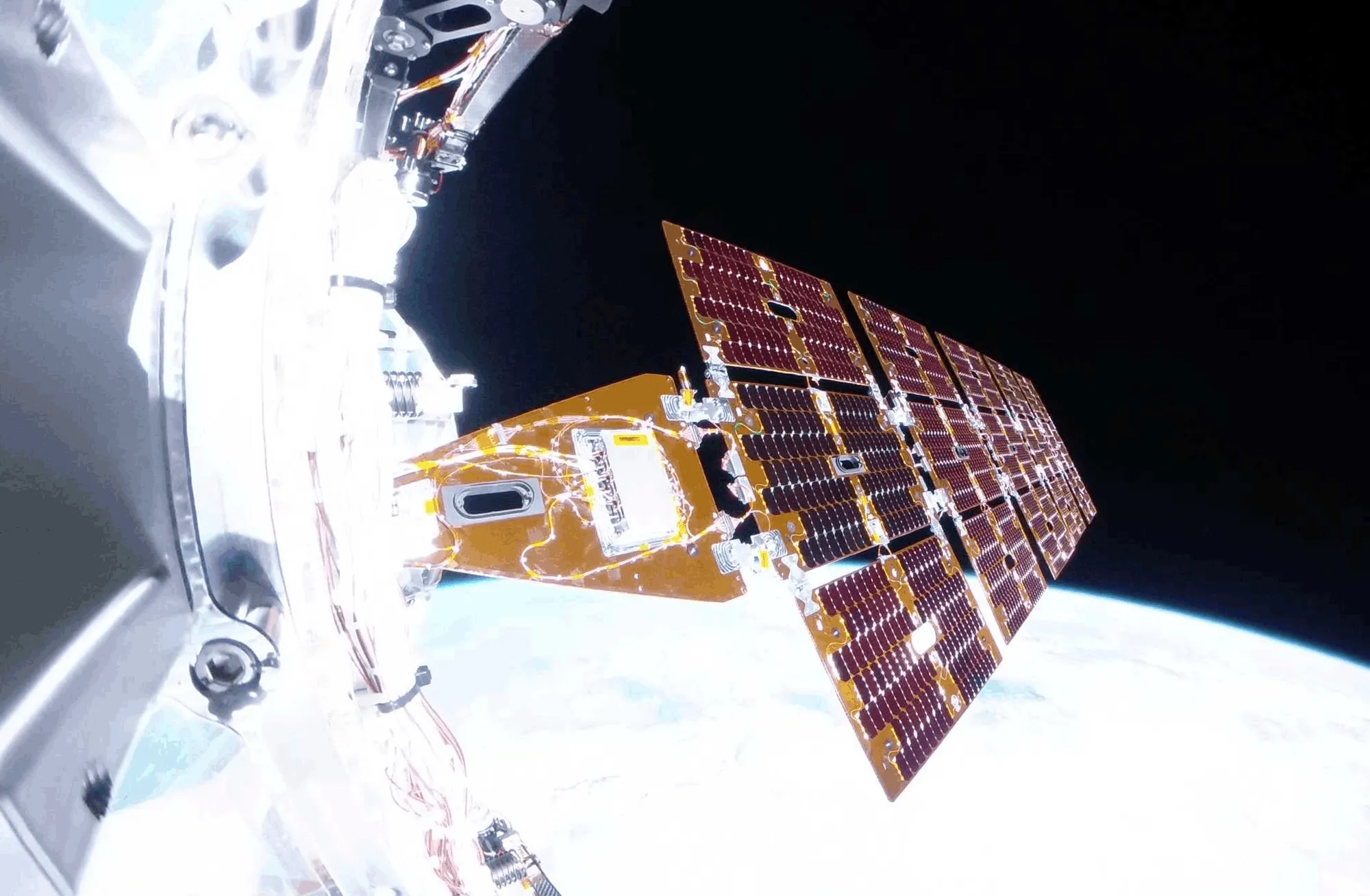
In a blog post, NASA cited an “ongoing commercial spacecraft attitude control issue” with the servicer, the LINK spacecraft built by Katalyst Space of Arizona. The agency first reported control issues with LINK about three weeks after the spacecraft’s launch in early July.
As a result, LINK “will not capture or boost” Swift as originally planned, the post reads, and a NASA spokesperson told me in a statement the agency “does not currently have plans for another Swift boost mission.”
“While the mission will not have the ending we originally intended, NASA and Katalyst are assessing what milestones remain ahead,” the company said in an emailed statement. “We will continue working to extract technical and operational value from the spacecraft.”
Though the boost mission is called off, NASA’s announcement said Katalyst will instead “conduct rendezvous and proximity operations” with Swift “to gather as much data as possible to inform future satellite servicing operations.”
Swift, launched in 2004 to swiftly target and image gamma-ray bursts, has outlived its initial two-year mission, and its orbit has been slowly decaying. Solar storm activity in the past two years exerted extra drag and accelerated that lowering. NASA last year awarded a $30 million contract to Katalyst to develop a spacecraft to grapple the observatory and move it to a higher orbit.
“NASA should be willing to move quickly and take smart risks when the potential return is worth it, and that is exactly what we did with this mission,” Administrator Jared Isaacman said in the post. “This is not the outcome we were working toward, but it does not change why this mission was worth attempting.”
Katalyst CEO Ghonhee Lee echoed that sentiment in the emailed statement: “We took on this high-risk, high-reward challenge and are proud of the milestones we reached along the way. We have already learned a tremendous amount, and now our job is to turn those lessons into something durable—building a repeatable playbook to inform future rendezvous and proximity operations and satellite servicing.”
NASA’s announcement said “without intervention, NASA anticipates Swift is likely to re-enter Earth’s atmosphere later this year.”
“As part of the agency’s previous planning for Swift’s end of life, NASA will continue to prioritize finding new options to react rapidly to cosmic events, using current missions to help fill the gap in the meantime,” the agency added.