

1926
Nov. 5 — Adolph Backstrum becomes the first commercial pilot to have his license suspended, after the Massachusetts Registrar of Motor Vehicles determines he flew too low over spectators leaving the Harvard Stadium. Until the United States government’s inaugural Air Commerce Regulations go into effect on Dec. 31, 1926, civil aviation is overseen at the state level. Aviation, Nov. 15, 1926, p. 852.
Nov. 13 — Italy wins this year’s Jacques Schneider Cup Race for seaplanes. Maj. Mario de Bernardi flies his Macchi M.39 seven times around the 50-kilometer triangular course in Hampton Roads, Virginia, at an average speed of 246.496 mph (396.69 kph). He surpasses the speed and distance records set by the 1925 winner, U.S. Army Lt. James Doolittle. Aviation, Nov. 22, 1926, pp. 870-871; Clarke Van Vleet, Lee M. Pearson and Adrian O. Van Wyen, United States Naval Aviation 1910-1970, p. 60.
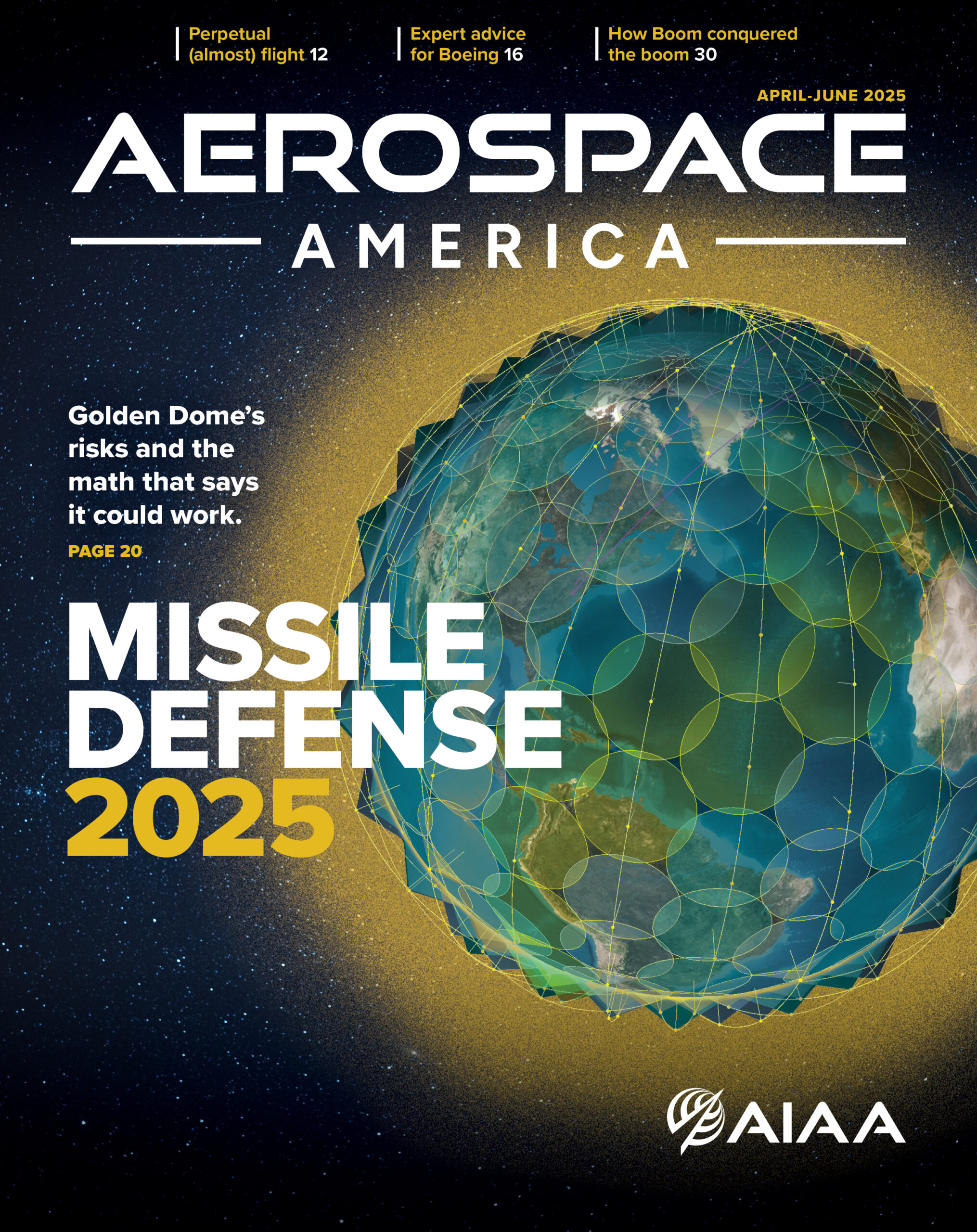
Also during November — U.S. Navy Lt. Cmdr. Richard Byrd and pilot Floyd Bennett conclude a coast-to-coast publicity tour of the U.S. in the Fokker monoplane used for their North Pole expedition earlier this year. Byrd pilots the trip’s inaugural leg, taking off from Washington, D.C., on Oct. 7 and flying to Mitchell Field, New York. Bennett conducts the remaining flights. The aircraft, named “Josephine Ford,” visits more than 40 cities without issue, demonstrating the possibilities of air mail and commercial passenger travel. U.S. Air Services, December 1926, p. 23.
1951
Nov. 13 — NASA’s predecessor, the National Advisory Committee for Aeronautics, conducts the first experimental investigation into a transonic turbojet compressor at the Lewis Laboratory in Ohio. The compressor becomes a key enabler in the development of advanced turbojet engines. Eugene M. Emme, Aeronautics and Astronautics, 1915-1960, p. 68.
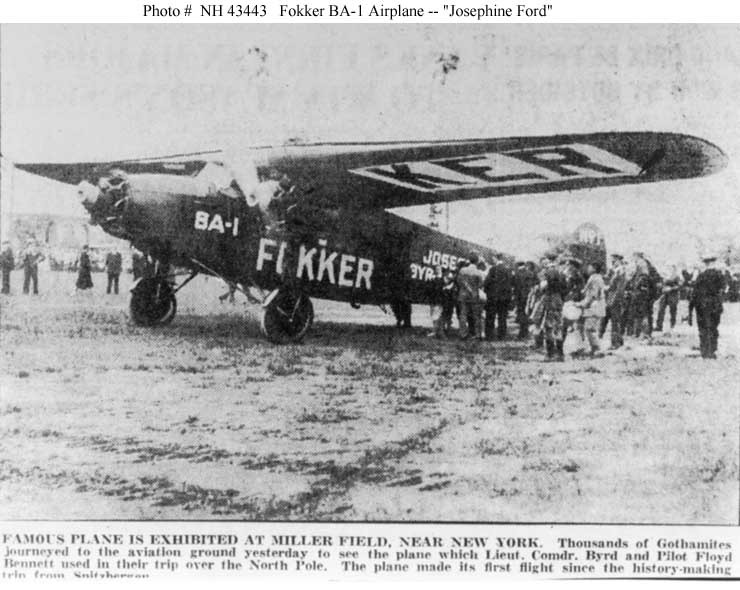
Nov. 26 — Royal Air Force Squadron Leader W. A. Waterman completes the first flight of a prototype Gloster Javelin at Moreton Valence, England. The Javelin, a twin-engine delta-wing interceptor, is selected by the RAF in the early 1950s for its all-weather fighter squadrons. The Javelin can reach transonic speeds with its afterburning Armstrong-Siddeley Sapphire turbojets. Owen Thetford, Aircraft of the RAF Since 1918, pp. 277-280.
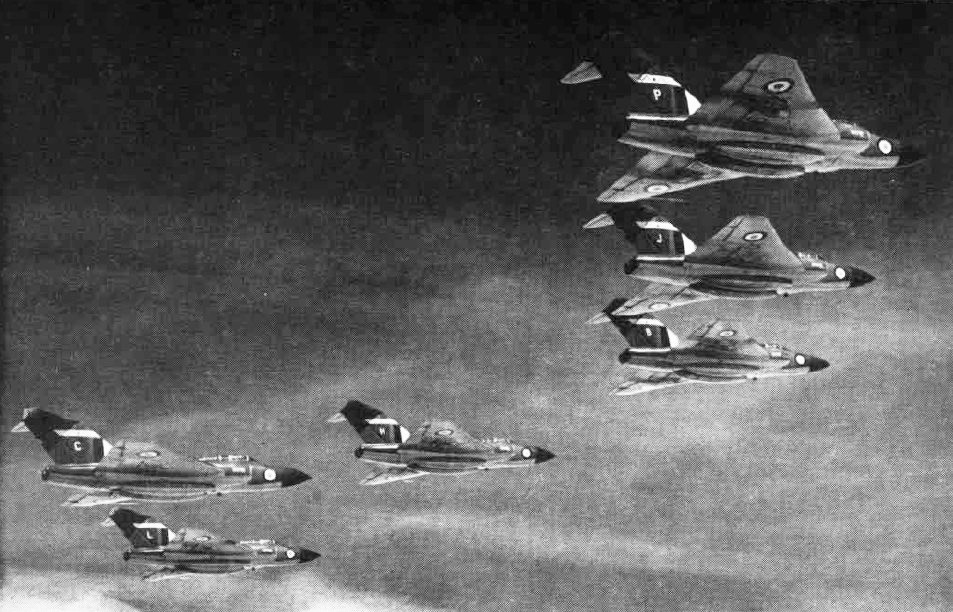
Also during November — The XB-52 Stratofortress is rolled out at Boeing’s Seattle factory, the first prototype of the Air Force’s eight-turbojet intercontinental nuclear bomber. This aircraft is damaged during ground testing, but the second prototype, the YB-52, makes its inaugural flight in April 1952. The first operational aircraft is delivered to Strategic Air Command in 1955. U.S. Air Force, A Chronology of American Aerospace Events, pp. 60-61; Welman Shrader, Fifty Years of Flight, p. 146.
1976
Nov. 5 — The Soviet Union activates its Ekran communications satellite after a series of technical checks, the Tass news agency reports. The spacecraft, which was launched in late October, is to transmit TV programs to Siberia using more powerful transmitters than those carried by the Molniya satellites. This negates the need for 12-meter ground antennas as in the previous communications system. NASA, Astronautics and Aeronautics, 1976, p. 272.
Nov. 12 — A Moscow radio broadcast announces that a prototype of the Soviet Union’s first jumbo jet is to begin flight tests. The Ilyushin Il-86 is reportedly able to carry 350 passengers at 373 kph over distances up to 1,460 km. This would make possible nonstop flights from Moscow to Lisbon. NASA, Astronautics and Aeronautics, 1976, p. 277.
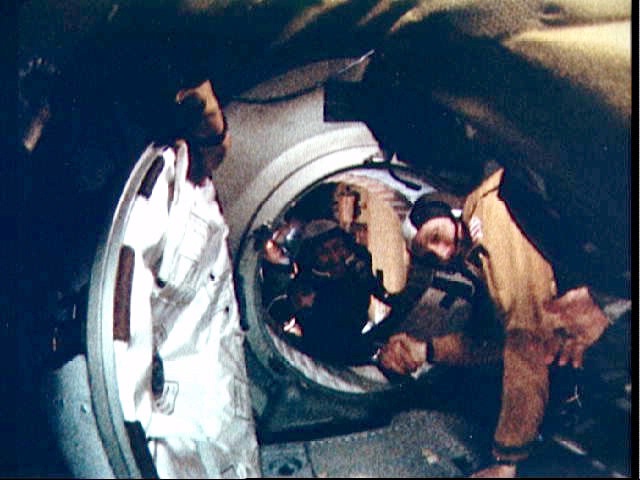
Also during November — The National Aeronautics Association reports that the Fédération Aéronautique Internationale last month awarded its gold space medal to NASA astronaut Thomas Stafford and cosmonaut Alexei Leonov, who commanded the U.S. and Soviet Union segments of the 1975 Apollo-Soyuz Test Project, respectively. This docking of an Apollo capsule and the Soyuz 19 spacecraft was the first crewed international space mission. NASA, Astronautics and Aeronautics, 1976, p. 282.
2001
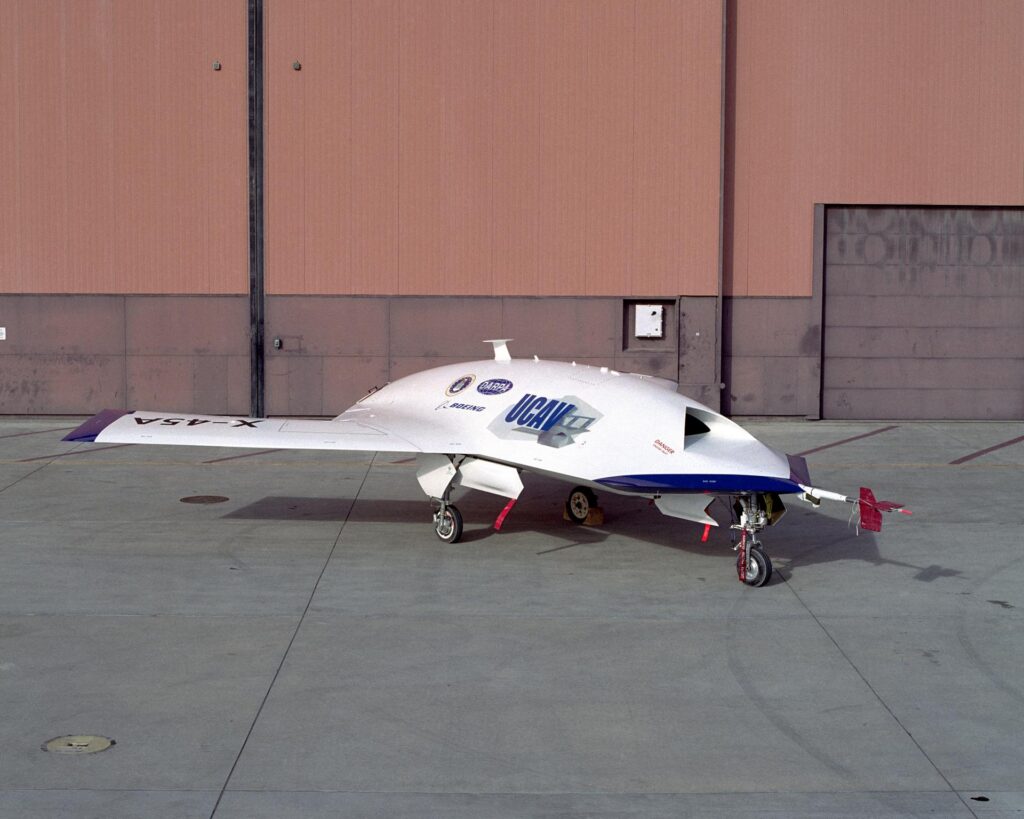
Nov. 2 — The experimental Boeing X-45A UCAV (unmanned combat air vehicle) completes low-speed taxi tests in preparation for a first flight in 2002. This joint DARPA, Air Force and Navy program aims to demonstrate the feasibility and value of autonomous combat aircraft. Boeing News Release, Nov. 13, 2001; NASA webpage, X-45 Unmanned Combat Air Vehicle (UCAV), Oct. 28, 2009.
Nov. 22 — Starchaser Industries launches a prototype of its Nova rocket from Morecambe Bay, U.K. The 11-meter-tall vehicle attains an altitude of 1,520 meters (5,000 feet). The launch is a key step toward the full-scale design, Thunderbird, the company intends to put forward for the Ansari X Prize: $10 million to the first team to conduct two crewed flights up to 100 km within two weeks. Flight International, Dec. 4-10, 2001, p. 26 and Dec. 11-17, 2001, p. 24.
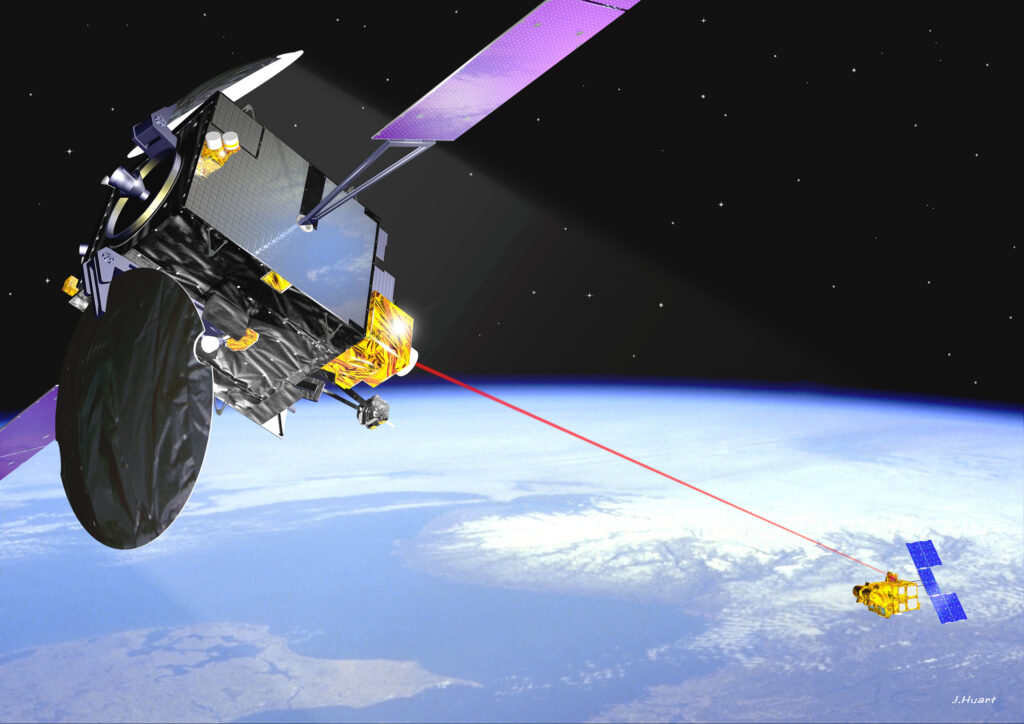
Nov. 30 — The European Space Agency demonstrates the first use of a laser to transmit imagery between two satellites. The French imaging satellite SPOT 4 orbiting at 832 km transmits to ESA’s Artemis 4 satellite at 31,000 km. European Space Agency, PR 75-2001, Dec. 6, 2001; Flight International, Dec. 4-10, 2001, p. 27.
Also during November — NASA reveals it has conducted wind tunnel testing with a full-scale reproduction of one of the Wright brothers’ early gliders at Langley Research Center in Virginia. Flight International, Nov. 13-19, 2001, p. 49.