From moon missions to morphing wings


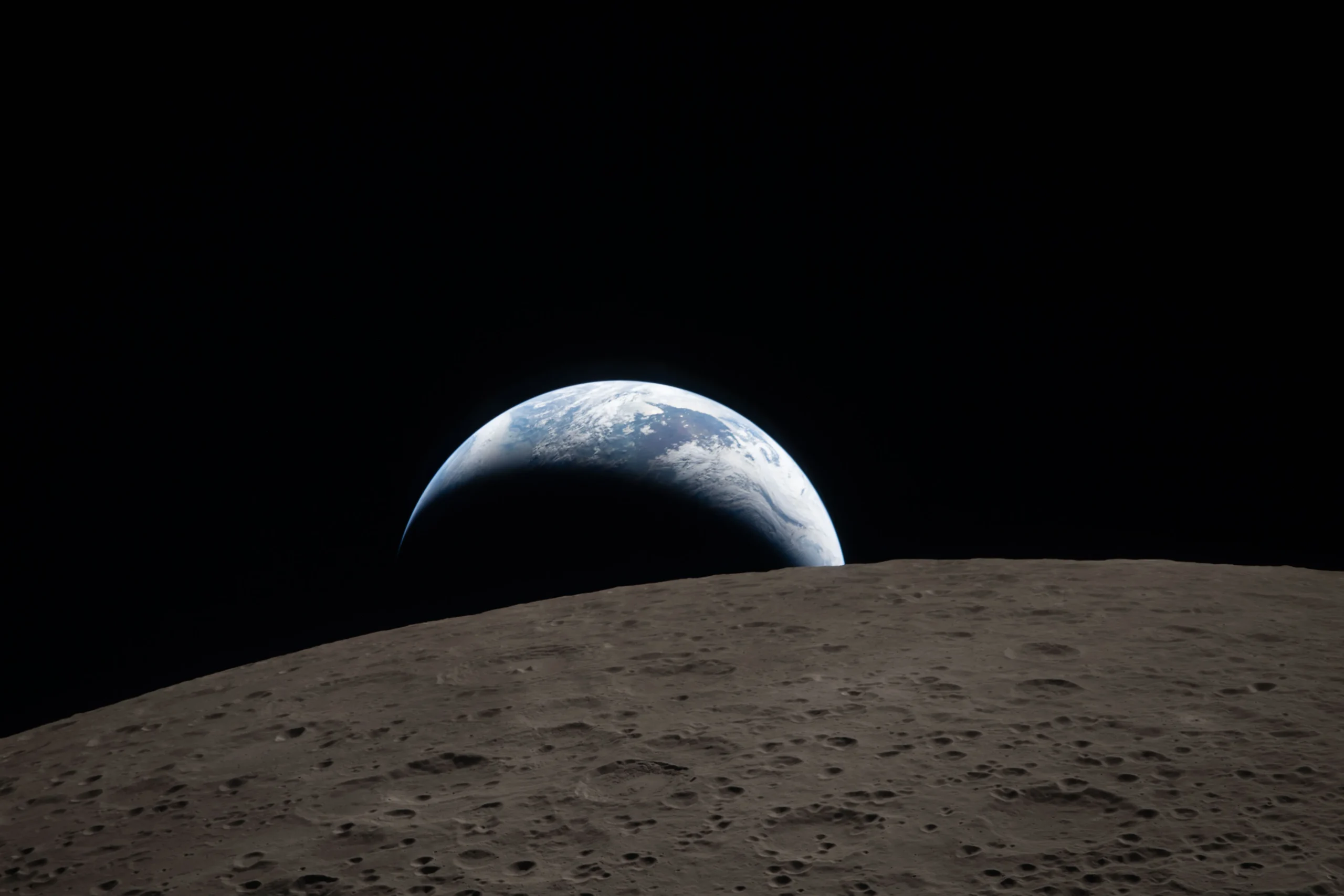
By the time this magazine comes out, it will have been nearly three months since Artemis II concluded. Yet the mission’s effects continue to reverberate.
Anecdotally, at least, the nearly 10-day flight seemed to capture public attention in a way I haven’t seen in years. Tens of millions tuned in to watch the crew’s splashdown off the coast of California on April 10.
At the Space Symposium in Colorado Springs the following week, the tone was extremely positive, perhaps even jubilant. And in May at AIAA’s ASCEND event in Washington, D.C., NASA Administrator Jared Isaacman promised to keep the agency’s foot on the pedal.
Now, NASA is gearing up for Artemis III in 2027 and beyond.
In parallel, the U.S. Space Force is bracing for major growth. The White House’s fiscal year 2027 budget
requests just over $71 billion for the service, up from the $31.6 billion it received in fiscal 2026.
Whether civil or military, it seems space is readying for a major buildup. In our print magazines and on our website, you can expect plenty of coverage of both.
Our cover story takes a look at another area that’s seen a dramatic increase in interest: orbital data centers.
In less than a year, the conversation around this potential market has surged, even drawing commentary from Amazon and Blue Origin founder Jeff Bezos. The growing adoption of artificial intelligence is creating a nearly insatiable demand for energy, pushing companies to consider new ideas that could reduce the demands on Earth’s resources.
For our story, Jonathan O’Callaghan takes a closer look at exactly how this could work — and what the potential pitfalls are.
Switching gears to a longer-term project, Adam Hadhazy looks at NASA’s planned Habitable Worlds Observatory. The telescope requires a slew of technological advancements if it is to achieve its goal of imaging Earth-like exoplanets, which could provide new insight into whether life exists elsewhere in the universe.
And don’t miss The Big Question about the future of the International Space Station. The ISS is slated for retirement in 2030, but some of our experts say operations should be extended, while others say more study is warranted.
Plus, we have a Q&A with Arun Seraphin, who runs the National Defense Industrial Association’s Emerging Technologies Institute, and a closer look at DLR’s effort to develop an aircraft wing with a morphing trailing edge.