

Debate over the role of autonomy in aviation is set to take center stage in early October when standards-setting organization ASTM International meets in Jacksonville, Florida.
Among the topics on the agenda for the 7th Annual ASTM Autonomy in Aviation Symposium is how “advanced systems reduce reliance on exceptional pilot skill or extensive training,” according to the webpage for the event, which is being hosted by ASTM’s Autonomy Design and Operations in Aviation Administrative Committee.
The goal is to pave the way for increasingly capable automation, said Wes Ryan, committee chair and Northrop Grumman fellow for airworthiness of autonomy and AI.
ASTM creates standards for materials and methods that represent voluntary consensus in an industry; they frequently are adopted by regulators. For instance, FAA last year cited four ASTM standards in its final MOSAIC rule that updated light-sport aircraft and sport pilot privileges.
The autonomy committee is not yet tackling specific standards, but Ryan noted it intends to publish a paper on automation in aviation within a year after the symposium.
“We want to safely move the industry towards an automation-centric design paradigm to the extent mature technology allows, while making sure the system is designed to allow a human operator to perform their expected role to manage safe mission outcomes,” said Ryan.
Since 2019, ASTM has published increasingly specific guidance on this topic. For example, the group’s 2020 technical report, “Developmental Pillars of Increased Autonomy for Aircraft Systems,” aimed to “promote the sound application of technical best practices to increase aviation autonomy” and provide “a technical foundation for the development and evaluation of these advanced systems.”
ASTM has also highlighted unresolved questions around autonomous flight. Among those posed in a 2023 white paper were, “If automation solves a challenge traditionally addressed by pilot qualification or medical fitness, are the relevant pilot qualifications or medical fitness no longer relevant?” and “Who has authority in emergency situations when the pilot is replaced by automation?”
The symposium is meant to foster conversation around these and other questions. Ryan said there is a need for increased industry consensus and regulatory guidance, given the start of FAA’s eIPP initiative to accelerate the rollout of electric aircraft services and the U.S. military’s growing adoption of autonomous aircraft and related technologies.
- RELATED READING: U.S. electric aircraft makers hope eIPP program will help ‘demystify’ their tech
- RELATED READING: Keep pilots engaged and make autonomy ‘subordinate,’ professor says
In particular, the October event will focus on best practices for aircraft design that ensure the same level of safety while allowing the role of the pilot or operator to adapt, depending on the level of automation, he said. In his view, aviation must shift away from requiring a pilot to intervene when there is a basic system malfunction and toward allowing automation to handle such “low-level” events.
This approach would allow the pilot to “manage safe outcomes at a high level, a mission outcome level,” he said, so the human becomes more of a systems manager.
“I call it carefree handling,” Ryan added.
Speakers confirmed for the event include David Mindell, an aerospace professor at MIT and author of the book “Our Robots, Ourselves” and representatives from FAA and NASA, Ryan said.
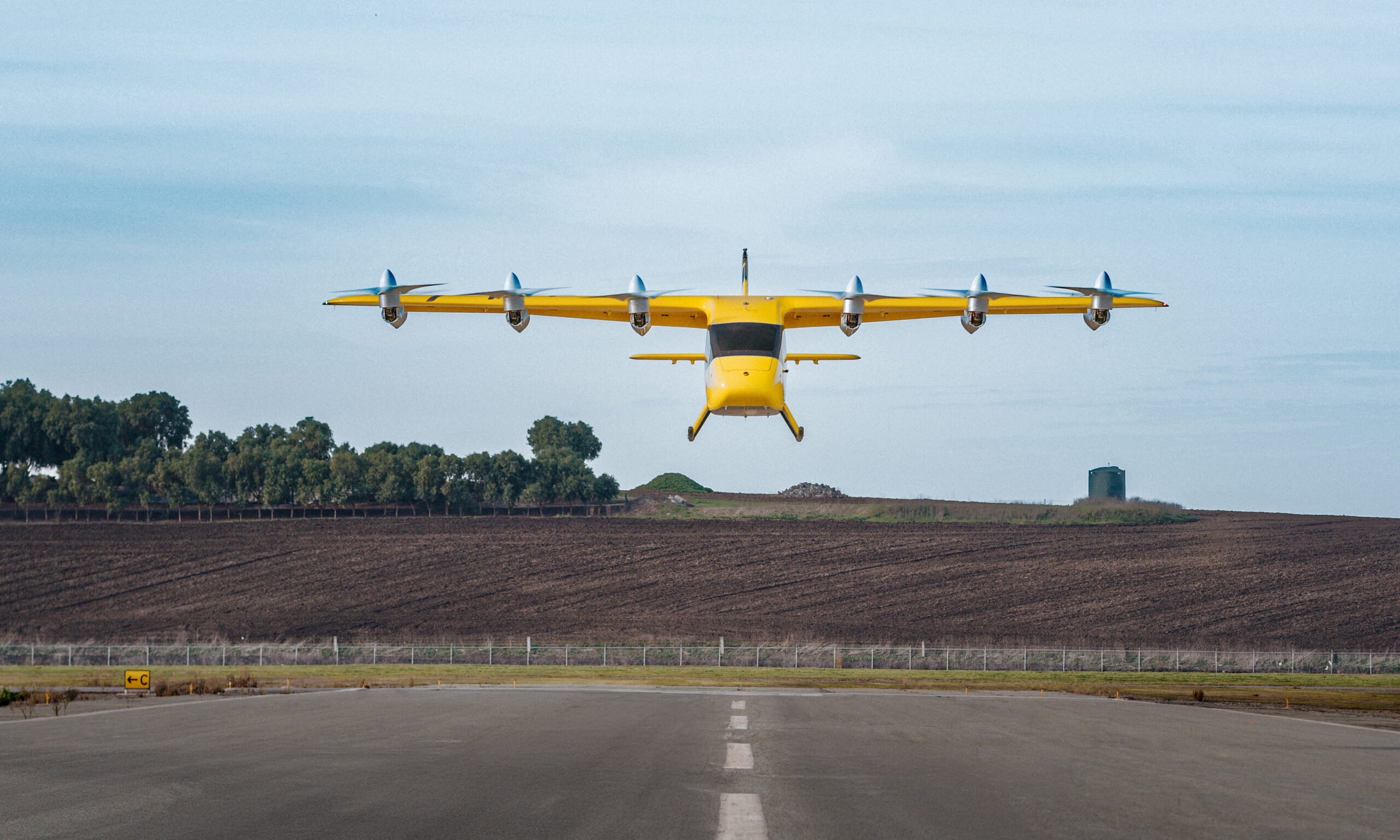
Boeing-owned Wisk, which is developing autonomous electric air taxis with no pilot cockpit, has a representative on the ASTM committee: regulatory affairs lead Tom Gunnarson. He told me in an interview that ASTM represents a broad forum, more informal than an FAA rulemaking body, to steer oversight of new technology.
“First, we want to expose whatever this new innovation is and create dialogue,” Gunnarson said. “We also are often getting regulators participating, and not just FAA, and we let them raise the questions that they’re going to have. The regulators are focused entirely on safety, so if they tell us they will develop performance-based rules, then the standards bodies are ready to jump in to develop the means of compliance.”
The aviation and aerospace industries will be closely watching the conference and general discussion on autonomy, said Ella Atkins, a professor of aerospace who directs Virginia Tech’s Autonomous Aerospace Systems Lab.
Ultimately, setting standards for autonomous aviation is about “trust calibration,” Atkins told me.
“Of course, humans need to be able to trust autonomy and have override if the machine starts to do something bad,” she said. “But unfortunately, flight crews don’t necessarily always have the best intent. And so the machine also needs to make sure that their trust in the human is not absolute.”