U.S. Space Force now targeting early 2027 for on-orbit refueling, orbital transfer demos


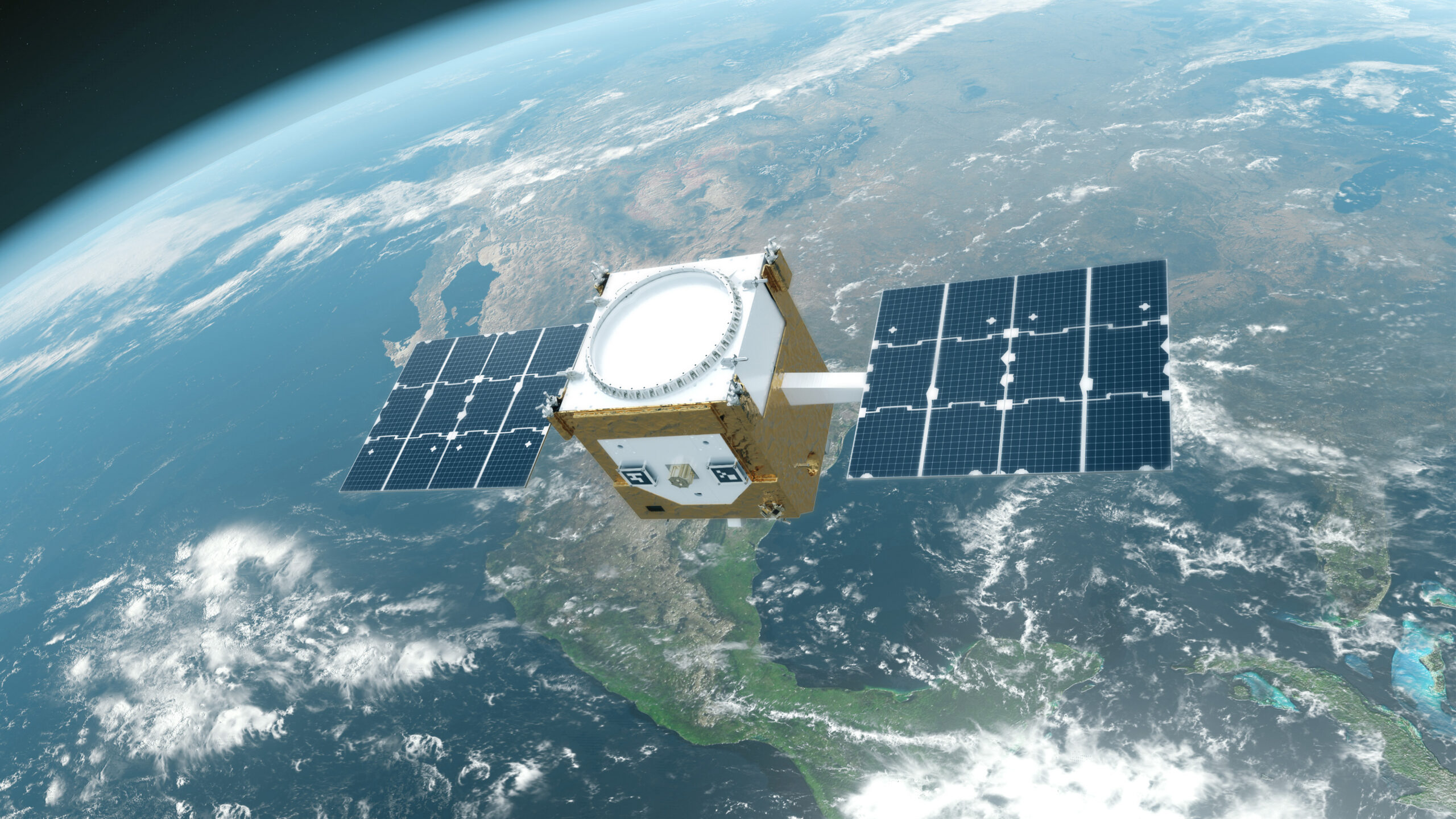
The Space Force’s program office for servicing, mobility and logistics expects the spacecraft for two missions meant to demonstrate emerging aspects of on-orbit servicing to be launched in the “early 2027 timeframe,” the office director said Wednesday.
“It’s been a very exciting emergent mission area,” Col. Scott Carstetter told reporters during a virtual roundtable, with the upcoming demonstrations focused on “refueling and augmented maneuvers.”
The spacecraft for both demonstrations are to be launched by a ULA Vulcan Centaur rocket for the USSF-23 mission, “which right now we’re targeting probably early 2027 timeframe,” Carstetter said. “When that will actually launch, that’s still yet to be fully defined.”
System Delta 80, which includes the servicing, mobility and logistics program office, previously said these missions would be ready to launch in late 2026.
For the refueling mission, the office awarded a $25.5 million dollar contract to Astroscale U.S. of Colorado to provide a Provisioner spacecraft to test a depot-servicer-client model of operations. The Defense Innovation Unit will contribute the fuel depot through a contract with Orbit Fab. The Air Force Research Laboratory will provide the client satellites with its Tetra-5 constellation.
“Once we launch all of these vehicles, the servicer is going to first mate with the AFRL client vehicle and refuel it, then go back to the depot, get more fuel itself, and then go back and meet with the Tetra-5 again to refuel that, showing that process and how that architecture would work,” Carstetter said.
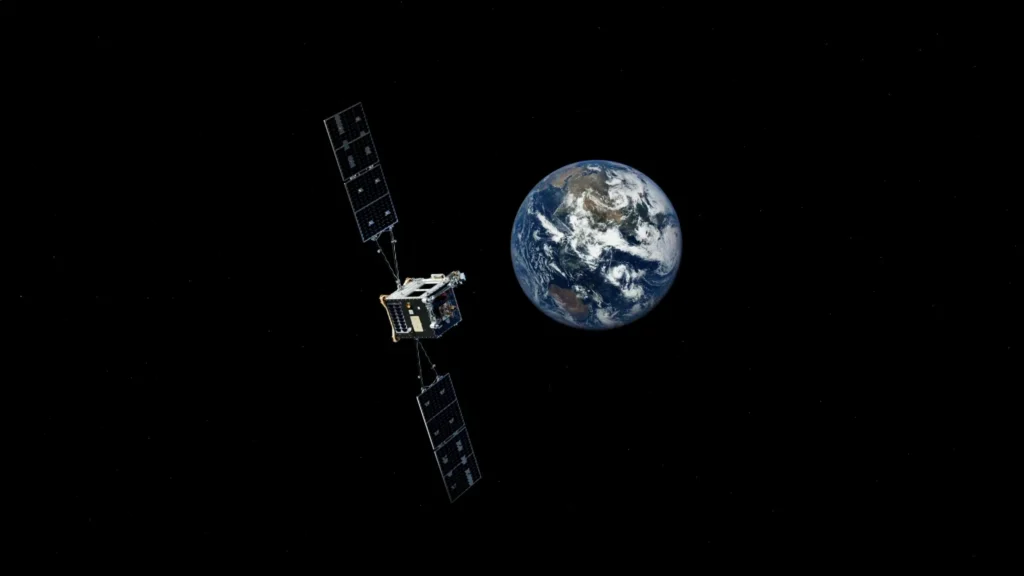
For the augmented maneuver mission, Starfish Space of Washington won a $37.5 million dollar contract to provide one of its Otter space tugs capable of moving another satellite.
“The first vehicle that we’ll mate with is a non-operational vehicle that we’re going to move to a disposal orbit,” Carstetter said. “Once we demonstrate that [orbital transfer] capability, then we can mate [with] an operational satellite to conduct things like life extension.”
Both spacecraft are on track to be “ready to launch by the end of the summer,” Carstetter said.
“We’re looking to operationalize these demonstrations,” he added. “We do see near-term applicability to the warfighter.”