
FAA ‘working through’ process to allow cargo, potential passenger flights under eIPP, official says


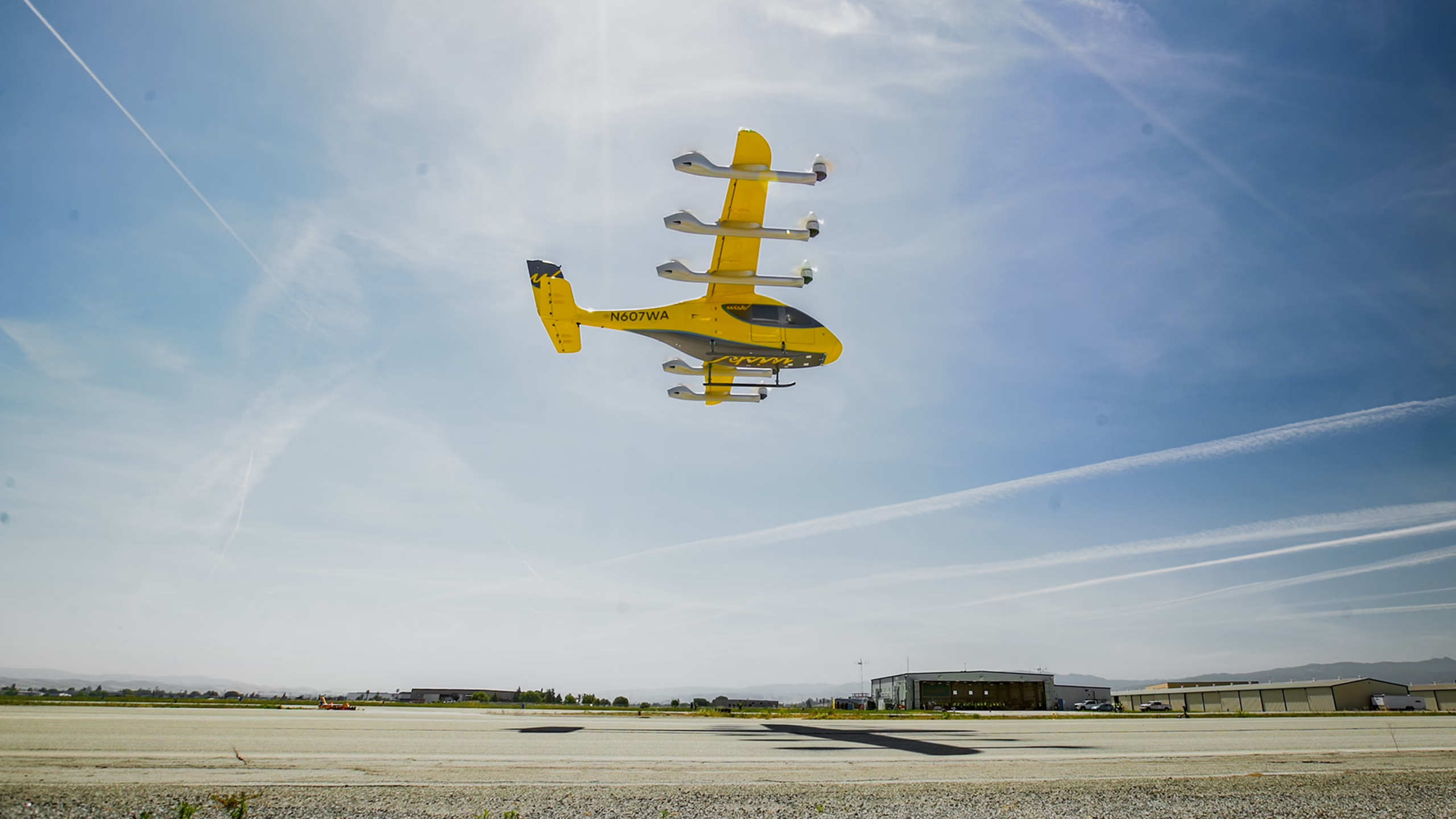
AIAA AVIATION Forum, San Diego — U.S. communities are eager to begin using electric aircraft to transport medical supplies, reach offshore oil rigs, fight fires and eventually move passengers under a federal pilot program, but FAA is still “working through” how exactly such services will roll out, the agency’s program director told attendees here.
The U.S. Department of Transportation in March selected eight projects from state and local governments to coordinate early operations of electric aircraft under the eIPP initiative, short for eVTOL Integration Pilot Program.
Ultimately, FAA wants the participating electric aircraft manufacturers to make money from these flights, said Tina Buelo, eIPP program director, during a Tuesday panel.
“I know it’s a huge driver of the program — to make this profitable — so that the companies can continue to operate and see some actual returns, so it’s something we’re definitely working toward,” she said, adding that FAA hasn’t “nailed down a timeline yet” for beginning extended operations.
The state or local entity overseeing each eIPP project must sign an Other Transaction Authority agreement with DOT to finalize the details of their intended flights, and none of those have been signed yet, she said.
“States still need to sign off on OTAs, which starts a 90-day clock to begin operations,” she said. Once the first agreement is in place, that begins the three-year timeline for an entire eIPP initiative.
The participating aircraft manufacturers have only held brief demonstrations of their capabilities so far, Buelo noted.
“Test flights or demonstrations have been happening, but we haven’t always been gathering data on them. And there’s a lot of really important information that we can gather,” she said. “As far as the timeline to move into cargo and then passengers, we’re still working through what that process is going to look like. And we’ll have some answers probably before we get to the signature phase of the project plans.”
Louisiana, for example, is leading an eIPP project to explore ferrying cargo and personnel for the oil and gas industry and their offshore platforms, said Josh Duplantis, assistant director for aviation at the Louisiana Department of Transportation, during the same panel. The participating aircraft manufacturers are BETA Technologies of Vermont, Elroy Air of California and helicopter charter Bristow Group of the U.K.
“We already have one of the largest vertical lift operations on the planet in the Gulf environment to support the oil and gas industry down there,” Duplantis said, “so we’re not reinventing anything. We’re just reimagining and kind of innovating in this space, if you will.”