
Full C-17 fleet to use 3D-printed drag reduction fins within a year, U.S. Air Force official says


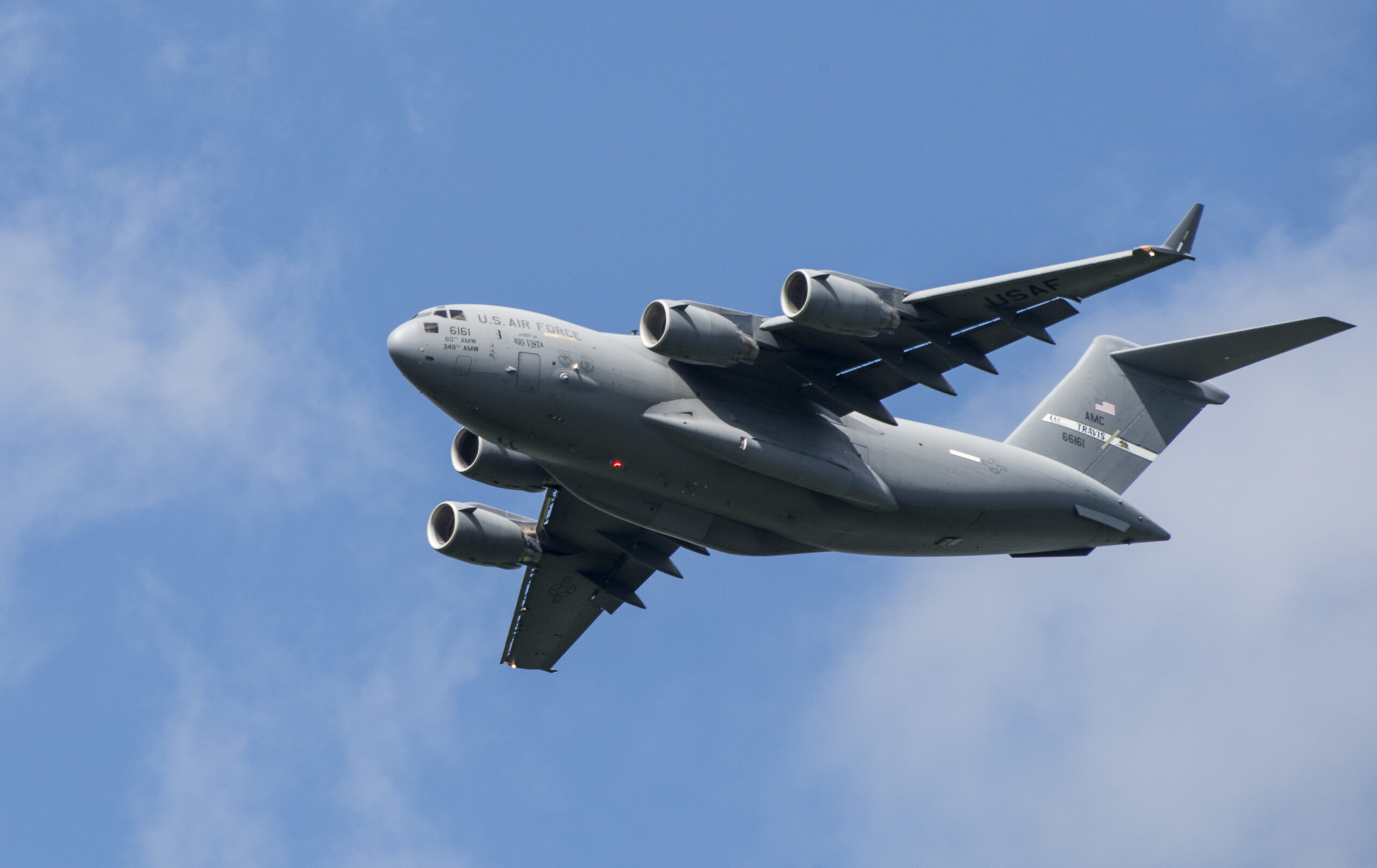
AIAA AVIATION Forum, San Diego — After equipping a handful of C-17 Globemaster III cargo planes with 3D-printed fins meant to reduce drag, the Air Force is now set to install the fins aboard the entire fleet within a year, according to a service official.
In early 2025, the Air Force Lifecycle Management Center announced Air Force Operational Energy and Air Mobility Command were moving into the final phase of evaluation for the fins, formally called microvanes.
“Developed through a collaborative effort involving the Air Force Research Laboratory, private industry and the Air Force Lifecycle Management Center, microvanes will improve operational capabilities across the Department of the Air Force and increase the effectiveness of the USAF C-17 fleet,” the Air Force Lifecycle Management Center said in a press release.
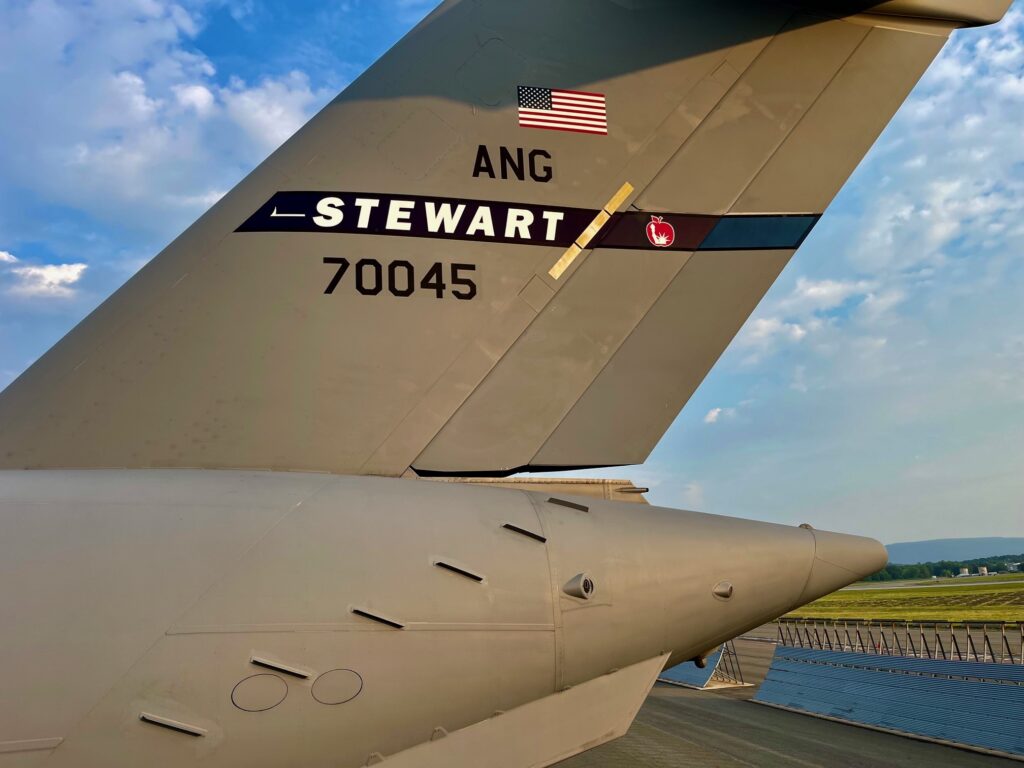
Each aircraft was equipped with a dozen of the blade-like microwaves, which measure roughly 10 centimeters by 40 centimeters. The devices were attached along the rear of the aircraft exteriors via “strong adhesive bonding,” the release said. “C-17s equipped with microvanes experience a one-percent reduction in drag (and fuel consumption) compared to their unmodified counterparts.”
The release noted the technology is projected to save over $14 million per year.
Speaking on a panel here, Roberto Guerrero, deputy assistant secretary of the Air Force for operational energy, safety and occupational health, said the service has put C-17s equipped with the fins in a range of environments.
“We’ve got 10 of those C-17s in various climates — cold, hot, dry, humid — just to make sure that there’s no issues with serviceability,” he said. “They just passed that serviceability test recently.”
“So you’ll see those fins on the back of C-17s — on all of our 222 C-17s — within the next year,” Guerrero said.
He noted that select Delta Air Lines planes are equipped with finlets based on similar technology. The airline said in May it had “completed a fleetwide order of Vortex Control Technologies (VCT) finlets for its Boeing 737-800 and 737-900ER fleet, comprising 240 aircraft.”
Guerrero said the “technology is actually gaining strength, because it’s a simple technology to apply [and] it gives you a little bit of savings.”