


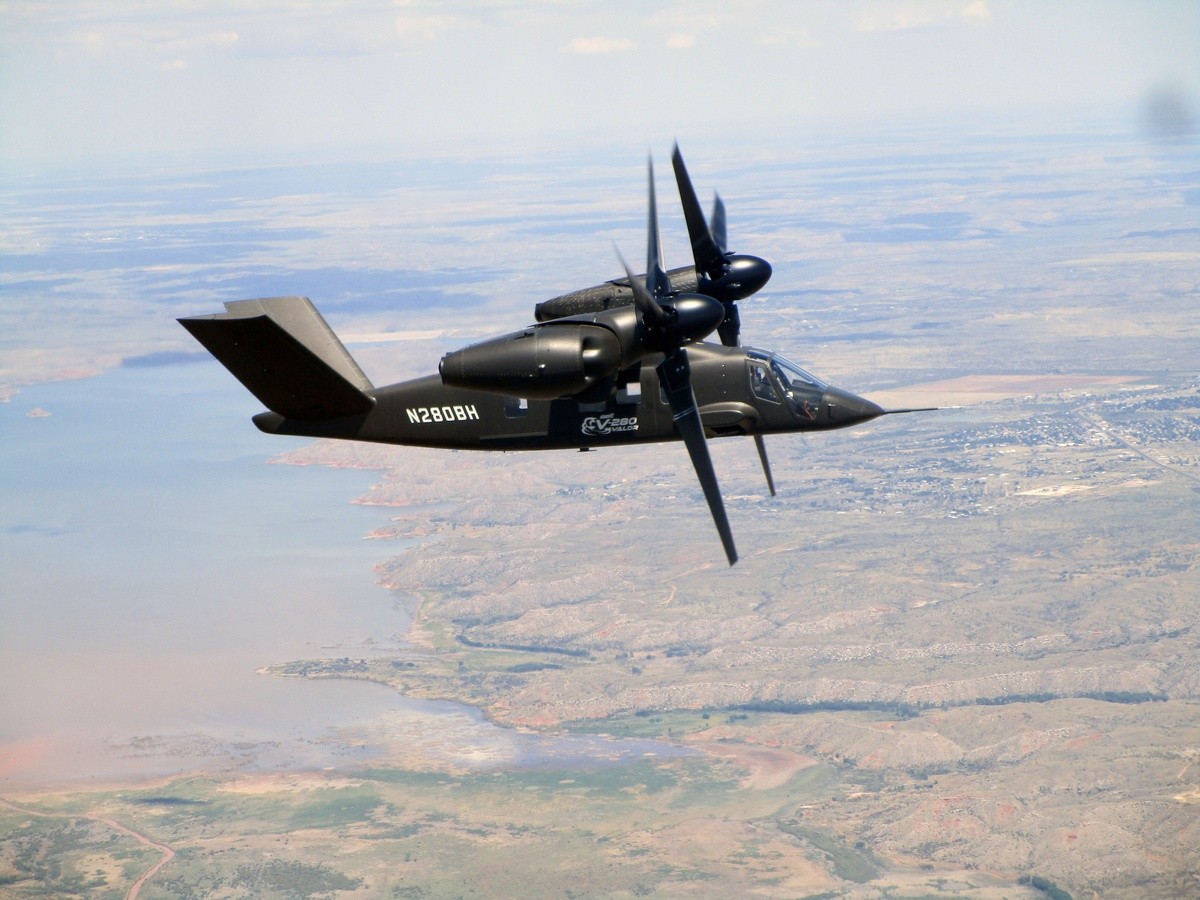
WASHINGTON, D.C. — Rolls-Royce expects to deliver in “the next few months” two flight test engines to Bell Textron for its prototype of the U.S. Army’s Future Long-Range Assault Aircraft, according to a company executive.
“We’ve got one of those [engines] ready to go to the test stand as soon as we’re done with the next phase of development testing, so it’s sitting in the hallway, ready to fire up,” said Scott Ames, the Rolls-Royce executive overseeing the FLRAA engine program. The second flight test engine is still being retrofitted and will follow “shortly thereafter,” he added on the sidelines of the Association of the U.S. Army’s annual conference here.
Bell Textron in 2019 selected Rolls-Royce as the engine provider for its offering in the Army’s FLRAA program, an effort to develop the next-generation tiltrotor aircraft. The Army in 2022 awarded Bell Textron a $1.3 billion contract for its aircraft, later designated the MV-75 Cheyenne II. Ames declined to comment on the value of Rolls-Royce’s contract or the number of engines expected to be produced.
In 2024, the Army said the first FLRAA prototype flight would take place in 2026 with initial fielding in 2030. A service spokesperson said Wednesday the first flight is no longer expected this year, and the Army is in the midst of conducting a “comprehensive schedule risk assessment to establish a realistic, budget-aligned timeline.”
A Bell Textron spokesperson said the company over the past year has “completed critical structures for the test aircraft — including the nacelle and wing — and the fuselage is nearing completion. Also, we are actively validating and integrating software at our Weapon Systems Integration Lab (WSIL). This work will continue into next year.”
The FLRAA design calls for two Rolls-Royce AE1107 turboshaft engines, Ames said. The engine has the same core used by the V-22 Osprey, with a different rotor integration approach and a new Rolls-Royce-built electronic engine controller called the Full Authority Digital Engine Control unit, or FADEC.
“The FADEC has a lot of cyber resilient stuff built into it,” Ames said. Although considered part of the engine system, the FADEC will be located elsewhere in the helicopter.
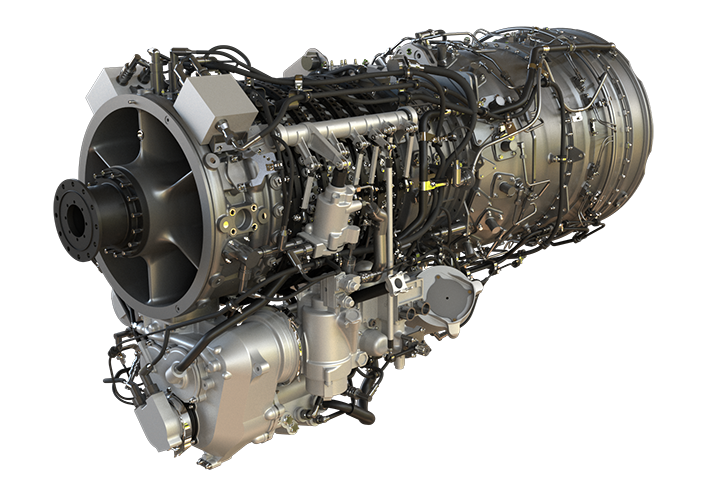
The FADEC hardware and software are undergoing testing alongside the first developmental AE1107 engine at Rolls-Royce’s facility in Indianapolis, Ames said.
The next round of engine testing is slated to begin next week and collect additional performance data for Rolls-Royce and Bell Textron to analyze, he said. The company also plans to put a developmental engine through altitude testing “sometime in the future” at a specialized facility in West Lafayette, Indiana.
The flight test engines are to undergo a different testing regime, which Ames described as a “pass off test” intended to confirm the design “meets everything we’re asking it to do.”
Rolls-Royce is also building a new infrared suppressor that would sit behind the engine and reduce its heat signature. Ames said these units “are nearing completion for the prototype aircraft.”
Additionally, “we have already started building other flight test engines,” he said. “We have several in our shop right now that are undergoing assembly.”