Very low-Earth orbit could help U.S. Space Force in a conflict scenario, official says


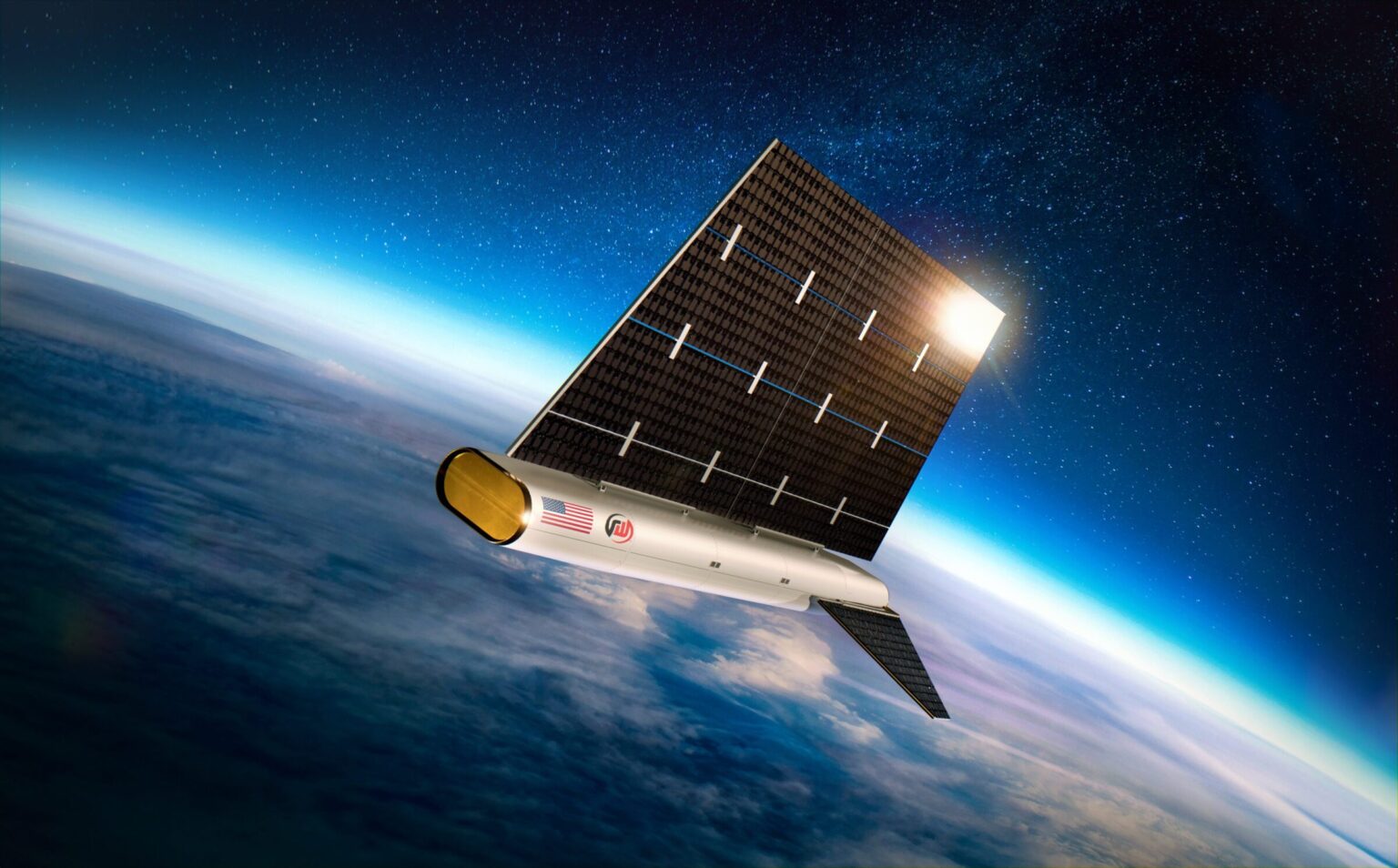
AIAA ASCEND, Washington, D.C. — Deploying satellites below 250 kilometers in altitude could help the Space Force create “a resilient and survivable architecture,” the service’s deputy chief science officer told attendees here Wednesday.
“You can imagine a scenario where we lose a lot of our space assets, like those imaging and [communications] satellites that we need,” Gillian Bussey said. “With vLEO” — very low-Earth orbit — “and the ability to preposition and launch quickly a proliferated architecture of intentionally throwaway systems in 30, 60, 90 days, that might be all that we need for a conflict.”
“That’s something that we’re looking into,” she added. “There’s some resiliency and survivability about vLEO that doesn’t exist in other orbits.”
DARPA considers vLEO to be between 90 km and 450 km, but there is no widely agreed-upon definition of this orbital regime.
The Space Force is also looking into vLEO’s “potential for better imagery and lower latency” communications, Bussey said. The service’s Concepts and Technology Center “has this on their plate” for fiscal year 2027. “They’re hoping to do a vLEO concept.”
“Once we come up with that concept,” she said, “then we know, ‘OK, do we need to focus on the low vLEO? Or do we need to focus on the high vLEO; is that good enough? And what are those [science and technology] priorities? What are those investments that we need to make?’”
Bussey pointed to DARPA’s Otter program, which is developing an air-breathing spacecraft for a vLEO demonstration, saying the Space Force is “working closely” on this and “it seems to be going quite well.”
“We’re starting to look at where does vLEO make sense for our architecture,” she said. “Watch for us over the next two to three years to … come to you all with a demand signal and a better understanding of what we need as some [science and technology] priorities.”