AFRL, newly reorganized, seeks to take more risk ‘smartly’ to speed development


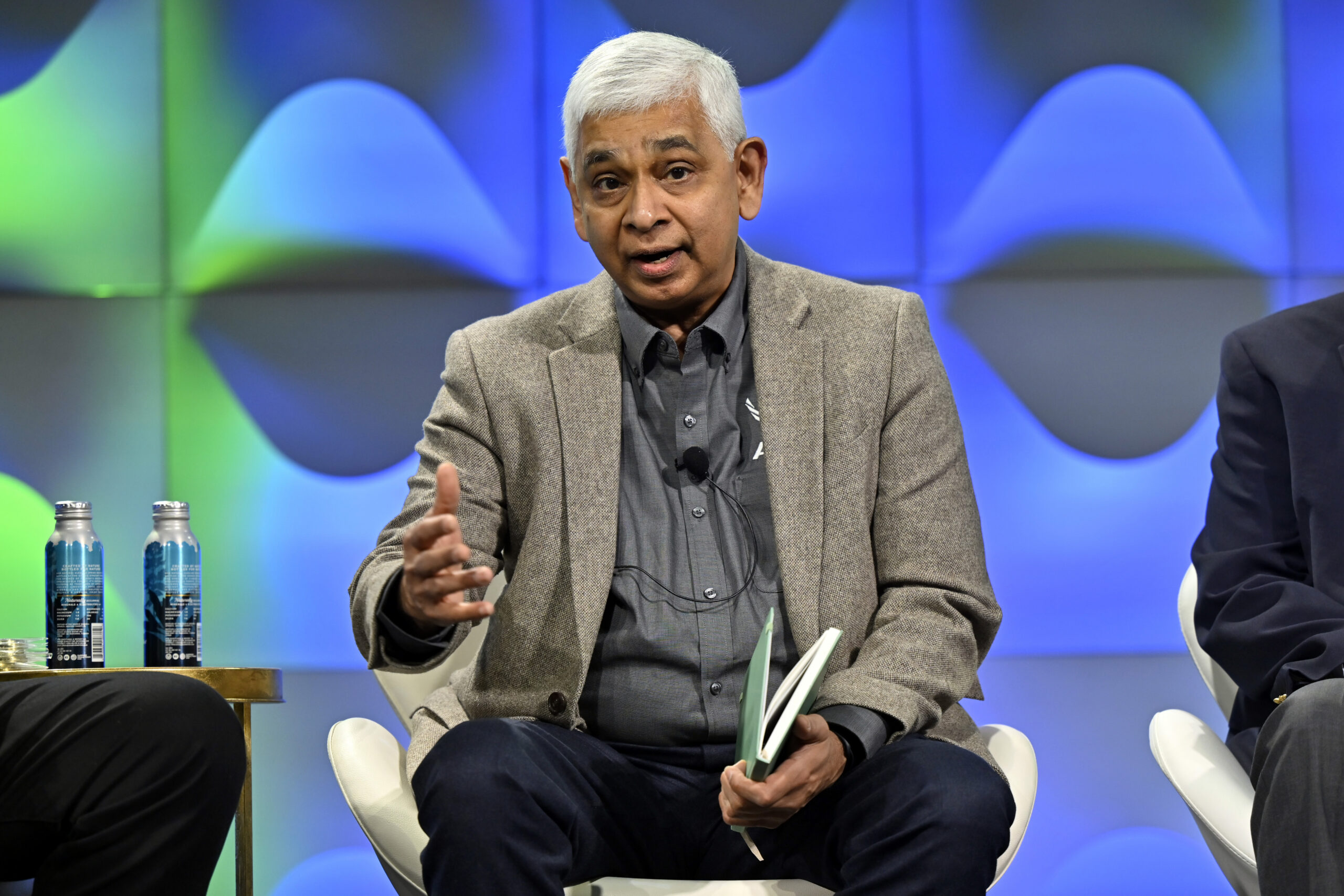
AIAA AVIATION FORUM, San Diego — The U.S. Air Force Research Laboratory, which reorganized in late April, wants to take more risk and better integrate to move faster, according to the chief scientist of its new air warfare directorate.
Speaking on a Monday panel here, Venke Sankaran said AFRL is focused on accelerating the speed of development while reducing costs, and advancing a range of next-generation technologies, from autonomy to hypersonics.
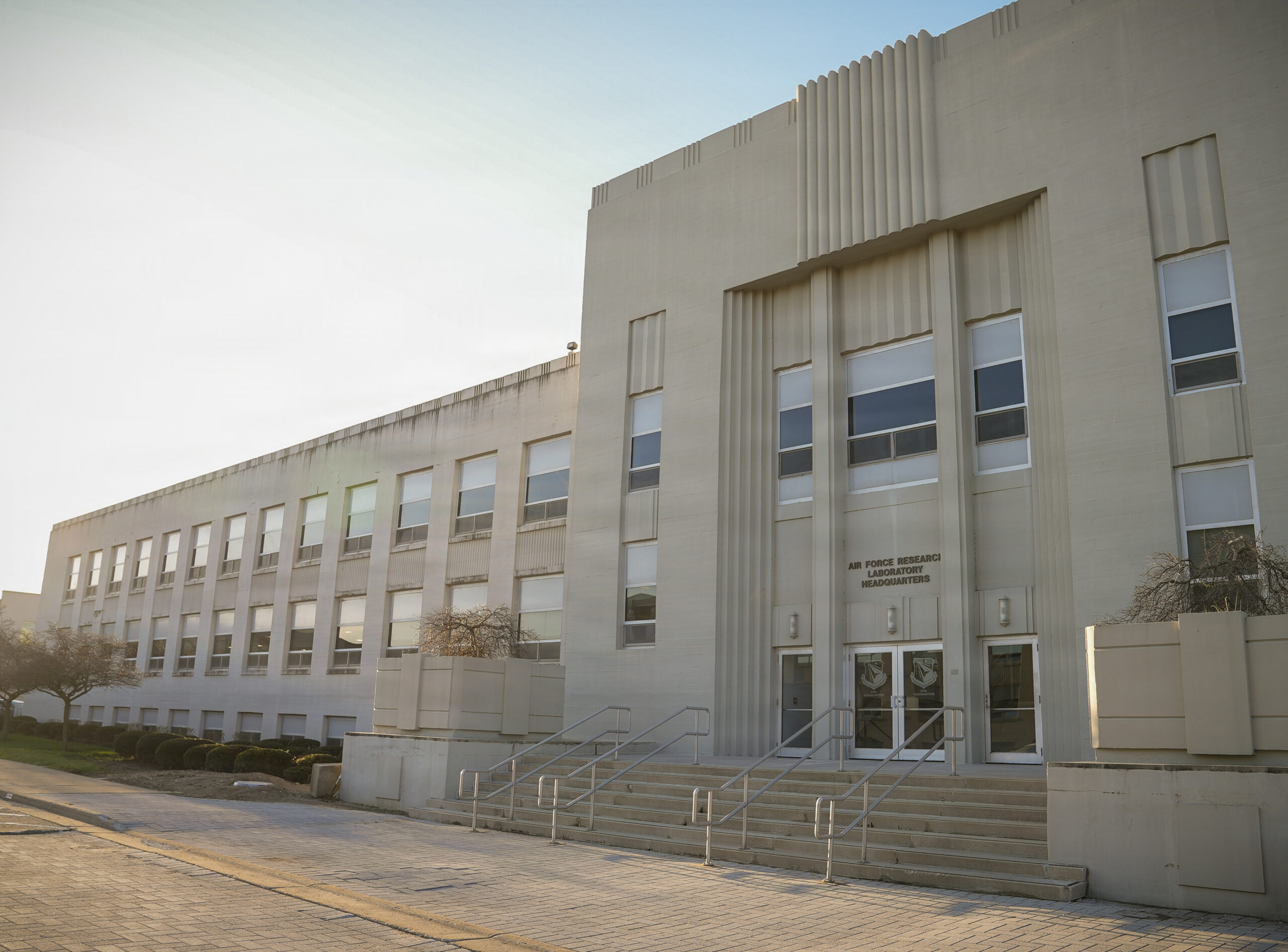
The lab in April announced what it described as its “most significant organizational change” in nearly 30 years. It now includes seven major organizations: five new directorates, an existing one with an expanded mission and “a wing focused on human performance and training,” AFRL said in its announcement.
“The new structure organizes the lab into a more mission-focused enterprise, retaining technical excellence and allowing it to seamlessly integrate within the acquisition community,” the announcement reads.
The organizations are now: the Foundational Technology Directorate, the Air Warfare Directorate, the Space Warfare Directorate, the Information and Spectrum Warfare Directorate, the Technology Transition Office, the Systems Technology Office and the 711th Human Performance Wing.
Sankaran said the reorganization was meant to help AFRL “meet these challenges of the future.”
“We do want to take more risk,” he told the audience, adding that AFRL is telling its workforce to take “informed risk” and to reconsider how it approaches technology development.
In traditional development, “it took so many years for each stage, and only when you were sure you’re retiring the risk of that stage would you move on to the next stage,” Sankaran added. “If you want to go faster, you have to start overlapping those, but you do it smartly.”
Additionally, Sankaran said the Air Force is moving to better integrate its work. In particular, he said the science and technology community must team with the acquisition workforce.
“The close relationship between S&T and the acquisition community is an imperative,” he said.