House Science chairman warns of a gap between ISS and commercial successors
 By Cat Hofacker
 By Cat Hofacker
AIAA ASCEND, Washington, D.C. — There is a “very, very real possibility” of a gap in U.S. presence in low-Earth orbit if NASA does not soon decide on the path forward for its commercial space station program, the chair of the U.S. House Science Committee told attendees here Wednesday.
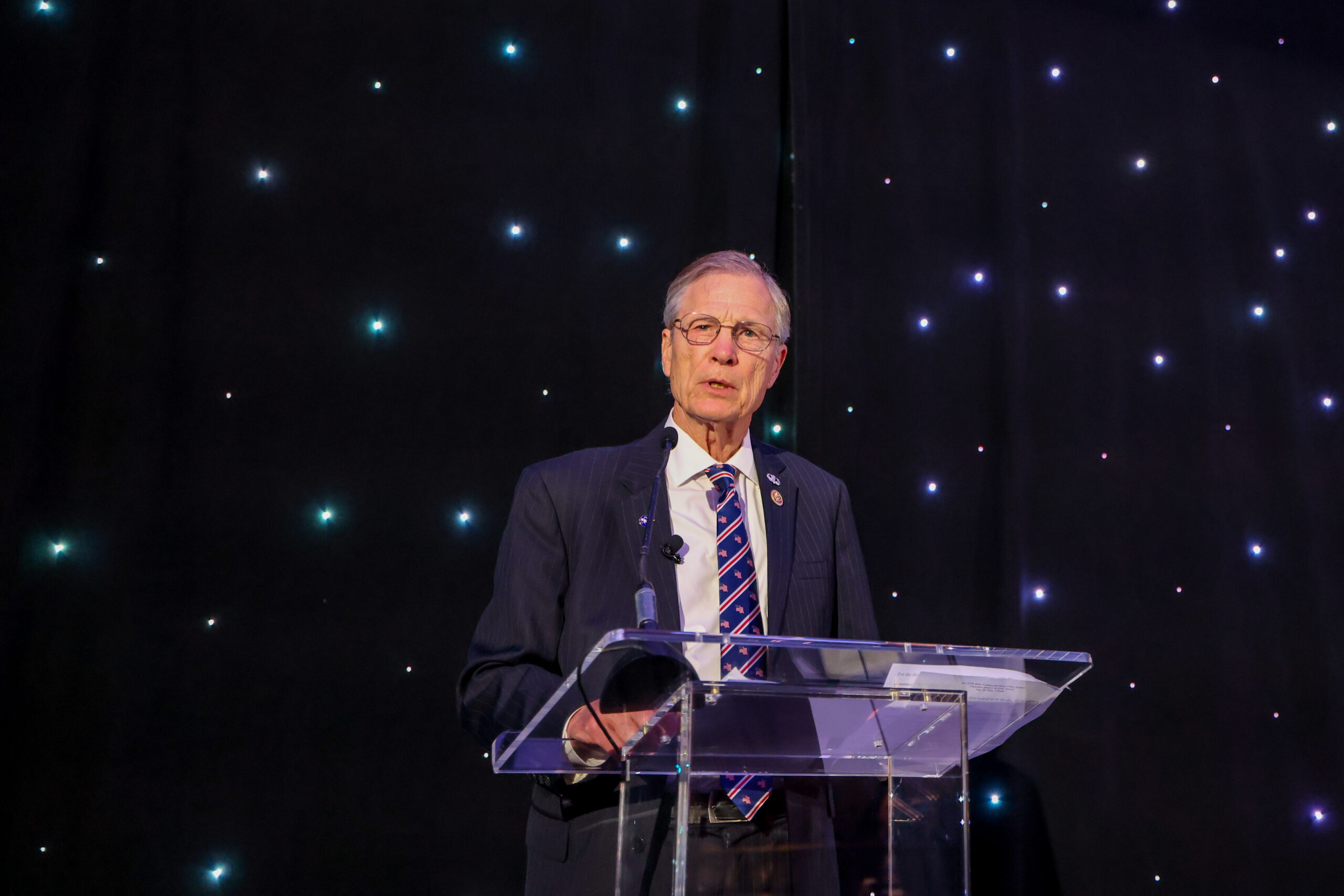
“If we’re not ready, if we do not successfully transition to commercial platforms, then China’s space station could become the only human presence in low-Earth orbit,” Rep. Brian Babin (R-Tex.) said during an afternoon keynote organized by the Commercial Space Federation.
A handful of companies are aiming to have privately owned and operated space stations in orbit by 2030, and the majority of them have received funding under NASA’s CLD program, short for Commercial Low Earth Orbit Destinations. The agency originally planned to select two concepts last year for additional funding, but has since floated alternative strategies for facilitating the transition from the International Space Station.
Babin specifically pointed to the agency’s March proposal to add a new government-owned “core module” to ISS that companies could dock their hardware to, instead of directly transitioning from ISS to the commercial free-flying platforms.
“If we continue changing direction, we risk undermining the stability and predictable transition needed to support a strong commercial future in LEO,” Babin said. “We need a sustainable long-term strategy, one that gives the market confidence to invest and supports continued American leadership in orbit and ensures that there are no gaps in our presence as we prepare for a post-ISS era.”
NASA plans to retire ISS in 2030 and deorbit the station in early 2031. Concerns about commercial stations not being ready by then prompted the House Science Committee to include a provision in its version of the NASA reauthorization bill that directs NASA to study the feasibility of extending station operations beyond 2030. The version passed by the Senate Commerce Committee specifies extending ISS to 2032.
The two bills are now in conference, said Brent Blevins, staff director of the House Science Committee’s space subcommittee, during a separate panel Wednesday afternoon.
He didn’t address the ISS provisions but noted he expects it will be “weeks, not months,” before Congress approves the final version and sends it to President Donald Trump for his signature.
“I’m very confident we’re going to get it done sooner, not later,” he added.