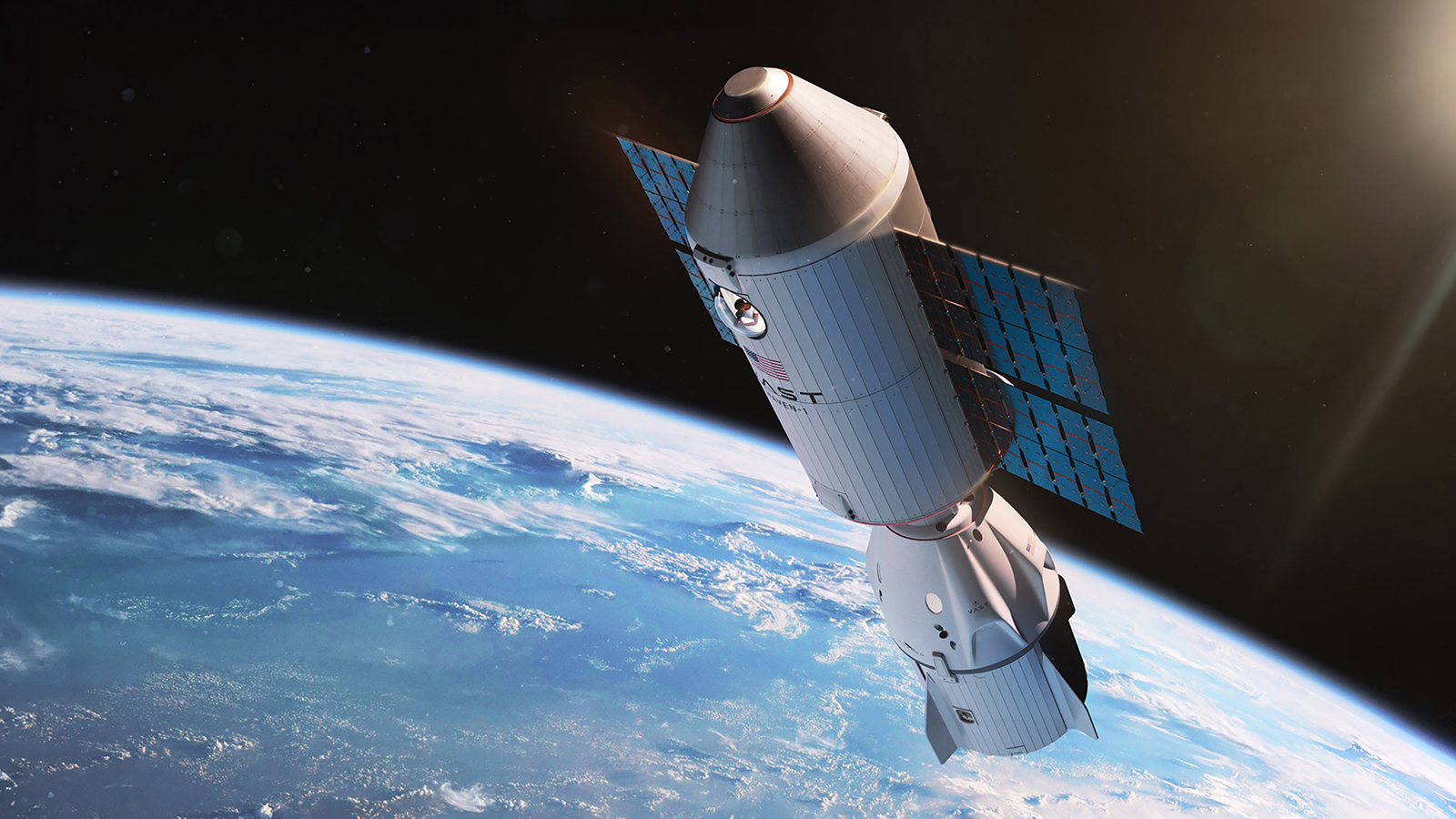
Proposed fiscal 2027 funding could support two commercial space stations, developers say
 By Cat Hofacker
 By Cat Hofacker
AIAA ASCEND, Washington, D.C. — Executives from two companies developing commercial space stations expressed confidence Tuesday that NASA will be able to fund two concepts, based on the funding included in the bill the House Appropriations Committee advanced last week.
The sprawling Commerce-Justice-Science bill includes $400 million for NASA’s Commercial Low Earth Orbit Destinations (CLD) program, up from the $300 million requested by the White House and approved by Congress in fiscal 2026.
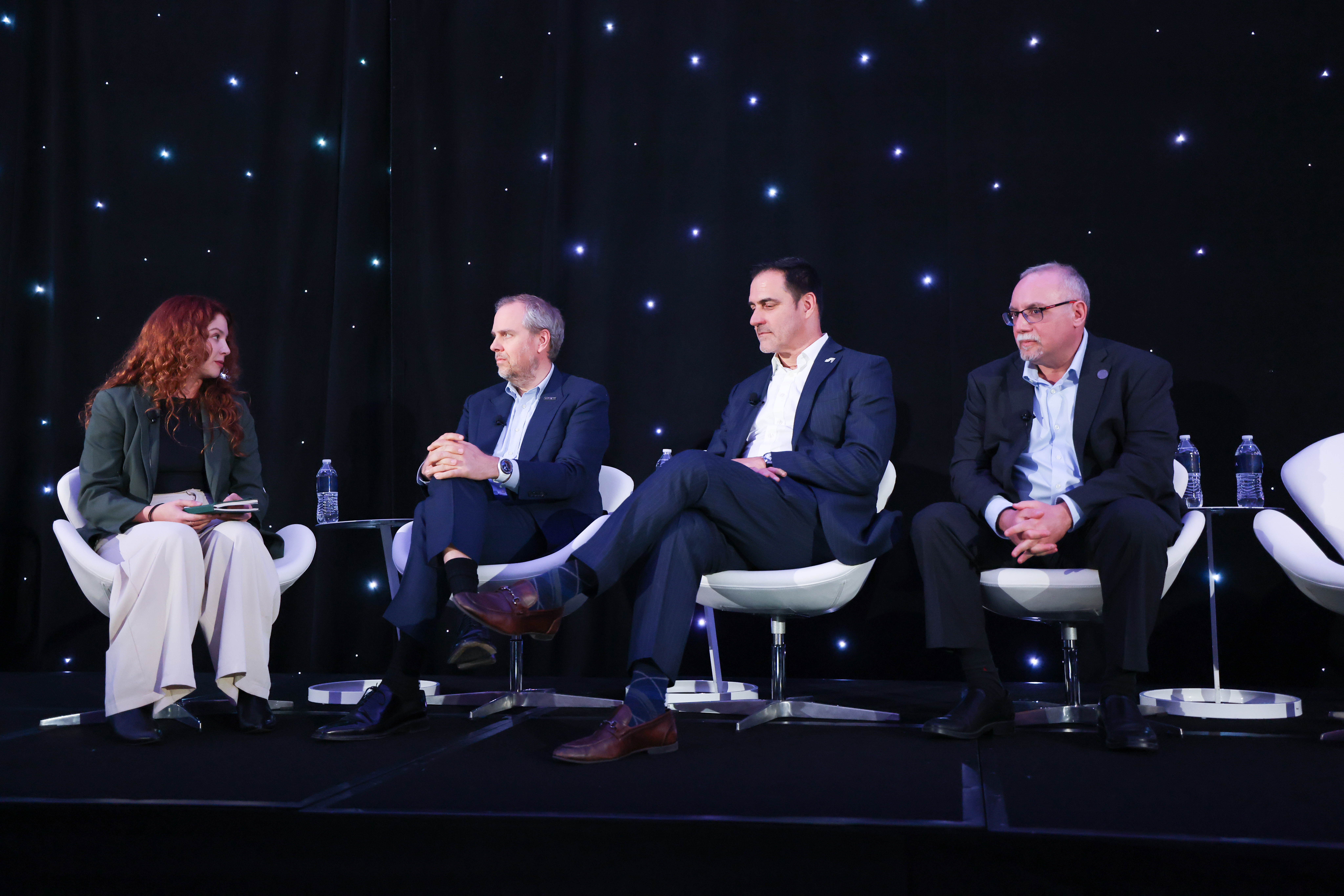
NASA should “divide that budget” and fund two stations, said Max Haot, CEO of Vast, during a panel organized by the Commercial Space Federation. “We are comfortable that with the existing market,” there is room for multiple providers.
“We think it’s very, very fundable, and certainly very well able to be covered by the budget” under consideration, added Marshall Smith, CEO of Starlab Space.
NASA since 2020 has awarded a handful of contracts to companies to assist their development of commercial space stations that would succeed the International Space Station, which is slated to be deorbited in early 2031.
The agency’s original plan was to later select two companies for additional funding, but officials in March said there isn’t sufficient budget to fund one, much less two, stations.
Today’s panelists disagreed, noting private investment is covering the majority of their development costs. “The CLD budget is not intended to build a space station,” said Smith. “It’s intended to support what NASA pays for their services.”
The CLD participants are also awaiting NASA’s decision about the path forward. The agency in March issued a request for information seeking industry feedback about an alternative strategy, in which NASA would procure a new “core module” that companies could attach their modules to in the final years of ISS, as a bridge to the free-flying stations they are planning.
Based on the general timeline for new hardware development, Haot said he’s skeptical such a module would be ready by 2030 when NASA “has not even started the design.”
“That for sure does not fit the current budget,” he added.