Commercial station builders counter NASA’s assessment of LEO market
 By Cat Hofacker
 By Cat Hofacker
SPACE SYMPOSIUM, COLORADO SPRINGS, Co. — Executives from three commercial space station developers on Wednesday pushed back on NASA’s assertion that a commercial LEO market has not yet emerged.
“We believe not only we can be ready by 2030” when the International Space Station is slated to be retired, “but we also believe that we can be profitable on the current market, not waiting for the future market we all will develop and will be successful at,” said Max Haot, CEO of Vast.
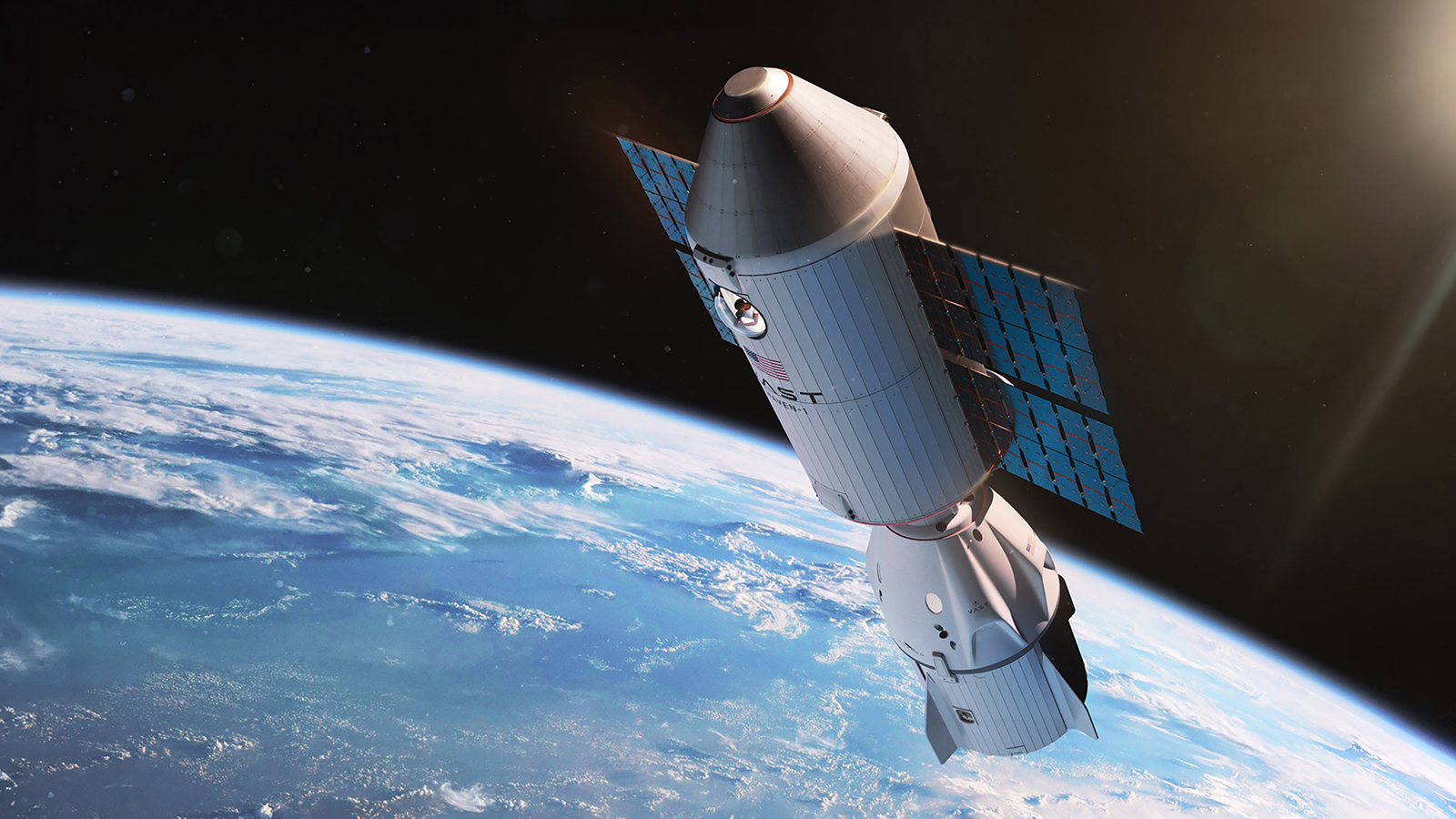
The California company is targeting early next year to launch Haven-1, a four-crew station intended to test technologies needed for Haven-2, a larger station planned to be in orbit by 2030.
NASA last month asked for industry feedback on an alternative strategy for transitioning from ISS to privately owned and operated stations at the end of the decade. The agency said it doesn’t have the budget to award contracts to two station concepts as planned so instead is proposing adding a new “core module” to ISS that companies could attach their modules to.
Agency officials said this alternative approach was spurred by concern there isn’t enough demand to support the several stations in development.
Haot and executives from Axiom Space and Starlab Space said their responses to NASA’s request for information — which were due April 8 — show otherwise. “We put in 390 pages of independent analysis, research studies, datas, contracts, those types of things,” said Marshall Smith, CEO of Starlab Space, which is targeting 2029 for its station to be on orbit. “We’re being very clear and what we can do and how that works.”
One prominent revenue stream the panelists pointed to is other space agencies and nations eager to send their astronauts and payloads to space.
“We’ve flown 12 people to space that paid us money to do that,” said Jonathan Cirtain, CEO of Axiom Space, referring to the four private astronaut missions it’s conducted to ISS. “We’ve flown 166 payloads today. All of those are paying payloads that generate revenue for the company.” The Texas company plans to begin operating in 2028 when its first two station modules are slated to be in orbit, then gradually grow the station to five modules.
There are other reasons to directly transition from ISS to the commercial platforms, Haot said, chief among them that it is “the fastest path” to maintaining a continuous U.S. crewed presence in low-Earth orbit.
Another, Cirtain said, is the ability to use the LEO stations as a “training platform” for the technologies required for upcoming Artemis lunar missions and eventual crewed missions to Mars.
“As we want humans to have more and more impact throughout the solar system, they have to have a safe place to go and train,” he said. “That’s-low Earth orbit. And commercial services can provide that capability to government.”