
Defense research facilities are ‘deteriorating,’ need funding reform, Pentagon report says


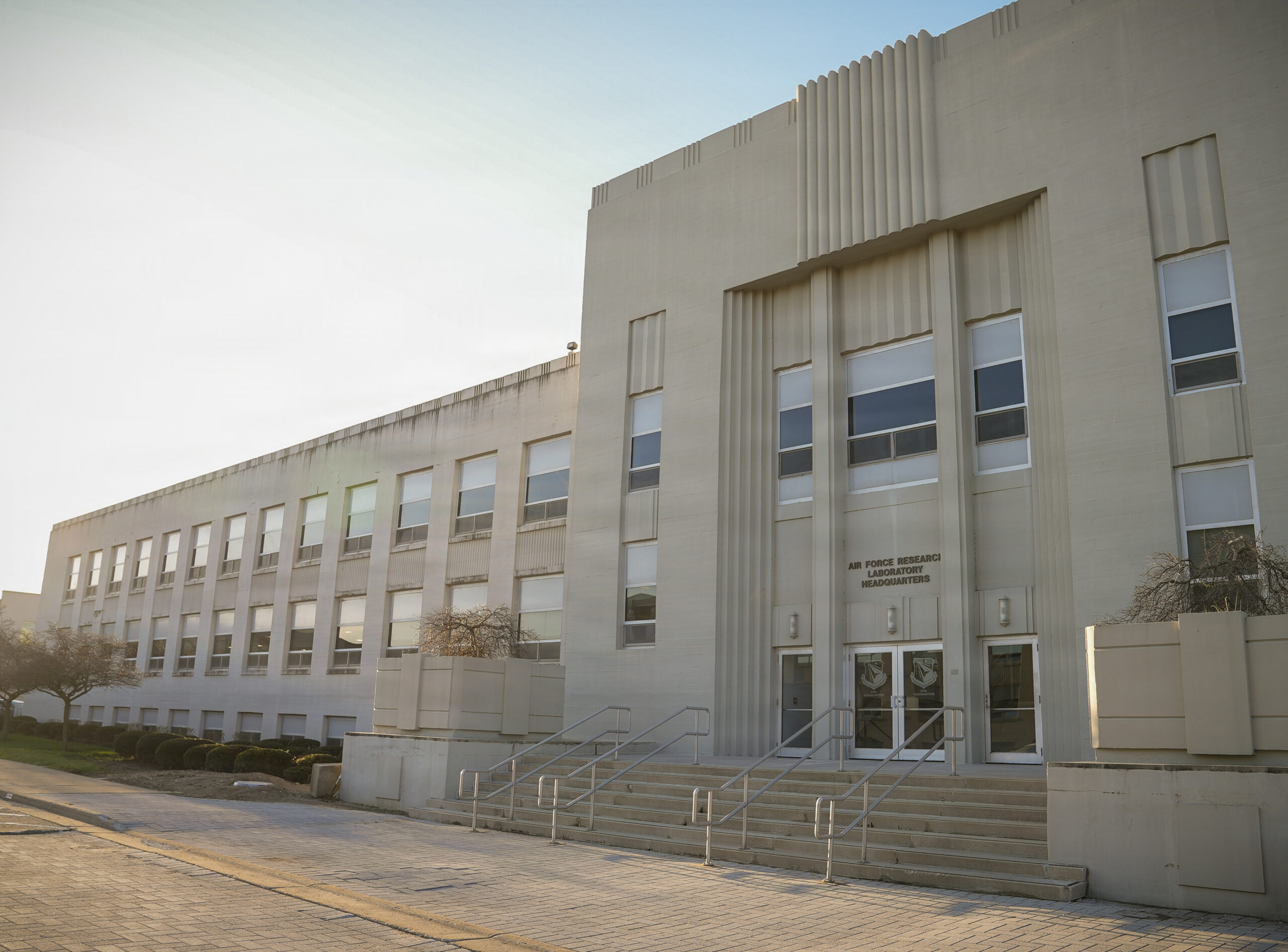
The Pentagon’s aging research facilities need infrastructure investments and centralized information-sharing systems, according to a report released today by the Office of the Under Secretary of Defense for Research and Engineering.
“This assessment highlights how siloed the [research and development] enterprise has become as it expanded over the past half century,” said Emil Michael, who heads the office, in an accompanying press release.
The report, led by the office of Joseph Jewell, the assistant secretary of defense for science and technology, followed a 90-day review of the Defense Research Enterprise, which includes in-house laboratories, federally-funded centers and affiliated university facilities. For the report, Jewell’s office worked with independent experts to conduct 30 site visits and analyze 200 responses to an “enterprise-wide data call.”
Jewell said in the release “the findings also show the increasing drag that aging, costly infrastructure imposes on labs and test centers striving to tackle changing missions and pursue emerging technologies.”
The report found research, development, test and engineering “infrastructure is deteriorating” because authorized military construction projects “continually slip due to the Services’ reprioritizing of scarce” funding.
“The average age of laboratory facilities across all the military services is greater than 45 years,” the report noted. To address this, the report recommends Congress establish “dedicated laboratory” construction funds “to prevent reprioritization.”
Infrastructure improvements are hampered by the congressional funding cap on minor construction projects, which laboratories use “to respond quickly to new demands for integrated research and enhanced security,” the Pentagon said in its release. The report recommended Congress increase the funding limit for such projects from $9 million to $20 million.
The report also noted some facilities have “excess capacity” and should consider additional commercial use options.
Other recommendations include creating a consolidated database of all testing facilities and existing intellectual property, as well as standardizing information reporting across the system.
The report “does not recommend consolidating or eliminating institutions,” the Pentagon said in its release. Rather, modernization efforts should focus on “how authority, money and decisions flow, and how the institutions are funded, measured and governed.”
The Pentagon noted that implementation of these recommendations has not begun but will “shortly.”