
AIAA has identified 30 exceptional young professionals who are advancing aerospace through technical achievement, innovation, and leadership. The 30/30 Program highlights individuals in their 30s who are driving breakthrough research, advancing next-generation technologies, leading impactful programs and teams, and accelerating innovation across aerospace. They are presented in seven different technical categories. Meet the winners in our Space and Missiles Category below. And learn about the full list of 30 exceptional individuals at aiaa.org/get-involved/honors-awards/awards/30-30-recognition-program.
Space and Missiles

Paula do Vale Pereira
Assistant Professor of Aerospace Engineering
University of Central Florida
Paula do Vale Pereira is advancing aerospace engineering by expanding the design space for complex space missions through innovative solutions to thermal challenges that affect spacecraft performance, efficiency, and reliability.
As a graduate student, she contributed to three CubeSat missions, leading thermal control efforts for technically demanding applications, including a deformable mirror requiring exceptional thermal stability and a laser system with significant cooling requirements. As a faculty member, she continues to push the boundaries of small satellite capabilities. Through the University Nanosatellite Program Mission Concept, sponsored by AFRL and NASA, her team is developing methods to minimize thermal cycling in high-performance onboard computers. This work aims to enable nanosatellites to function as nodes within long-duration, distributed “supercomputers” in space, potentially revolutionizing low-cost, scalable orbital computing for missions extending beyond Earth orbit.
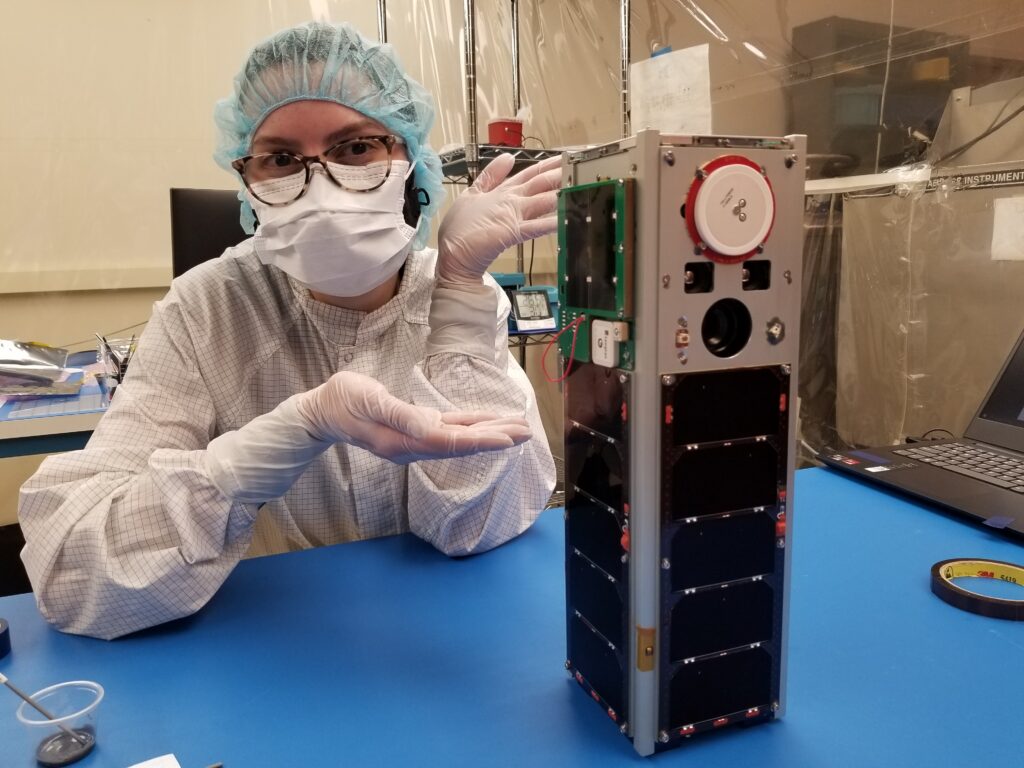
Do Vale Pereira also has a history of leadership within AIAA. Since 2023, she has served as Deputy Technical Program Chair for ASCEND, chaired the Small Satellite Technical Committee’s Technical Affairs Subcommittee, and has been a member of the Space Exploration Integration Committee since 2024. She has reviewed abstracts and chaired technical sessions for ASCEND and AIAA SciTech since 2022. As faculty advisor to the AIAA Florida Tech Student Branch in 2023 and 2024, she mentored students who were hosting the record-breaking 2024 AIAA Region II Student Conference.
Chip Andrews
Senior Principal Systems Engineer
Raytheon, an RTX Business
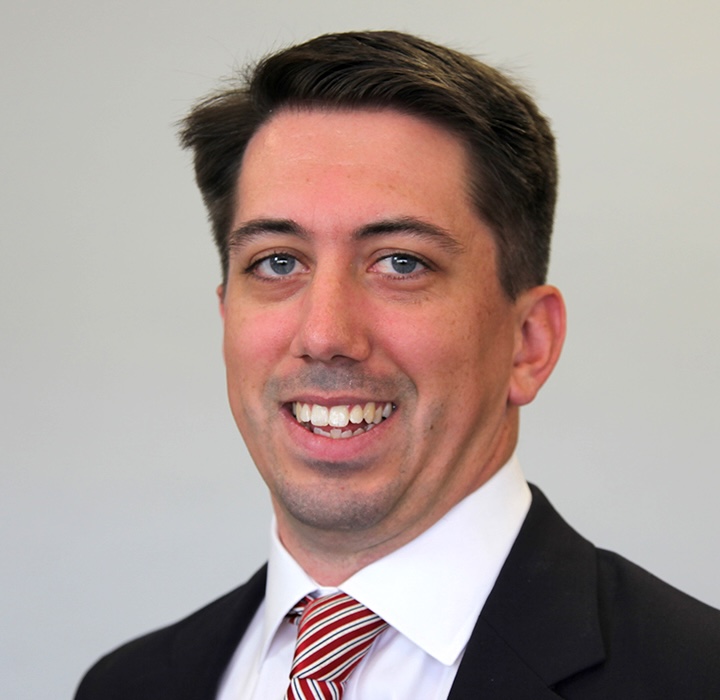
Chip Andrews is an established systems engineering leader at Raytheon, an RTX Business. Andrews currently acts as the cross-product team lead on a developmental aerospace program, where he is responsible for the systems engineering, verification and validation, and performance. Andrews has gained industry-wide notoriety for his innovative contributions to systems security engineering methods and implementations into missile systems, establishing novel practices for protecting critical technologies against exploitation.
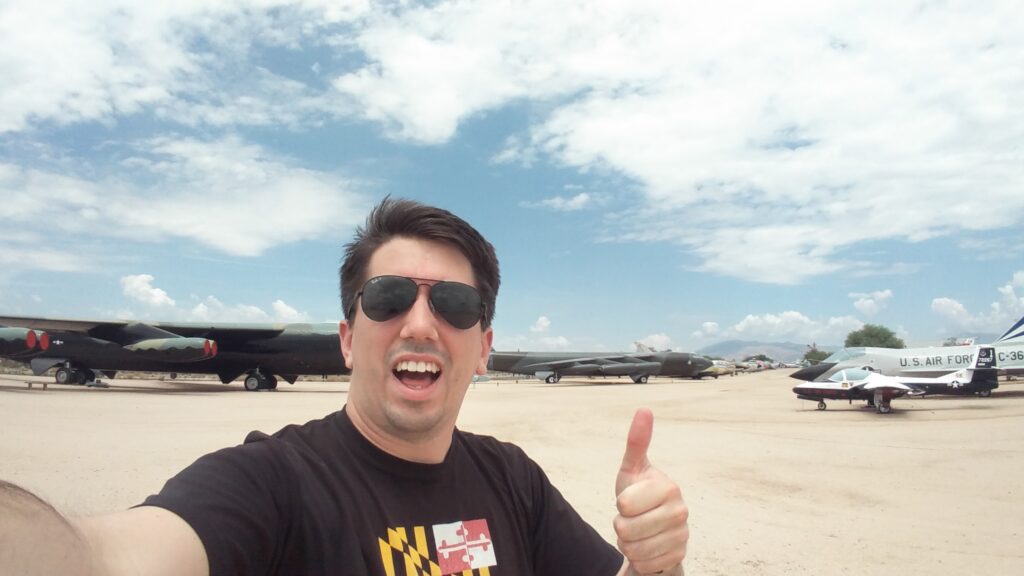
The transition of his career into engineering leadership was predicated on a singular notion: that he could take the behaviors and insights learned through working hand-in-hand with the highest levels of Department of Defense acquisition authorities upstream to a prime systems integrator and embed those principles into the company’s culture. This has afforded Andrews the opportunity to provide these insights across countless programs of the company’s enterprise, ultimately serving to raise the effectiveness of Raytheon’s products as they’ve been employed around the world.
Beyond his formal responsibilities at Raytheon, Andrews is committed to fostering the development of the next generation of engineering talent. He is an active participant in formal mentorship programs within Raytheon and with the University of Arizona. As a manager and people leader, his advice is regularly sought out by direct reports, co-workers and teammates, where his insights are valued for their empathy, challenges, and impartiality.
Andrews is a recipient of the 2023, 2024, and 2025 Raytheon Innovator Awards in recognition of the numerous trade secrets he invented and reduced to practice in that time.
Eleonora Botta
Associate Professor, Mechanical and Aerospace Engineering
University at Buffalo – State University of New York
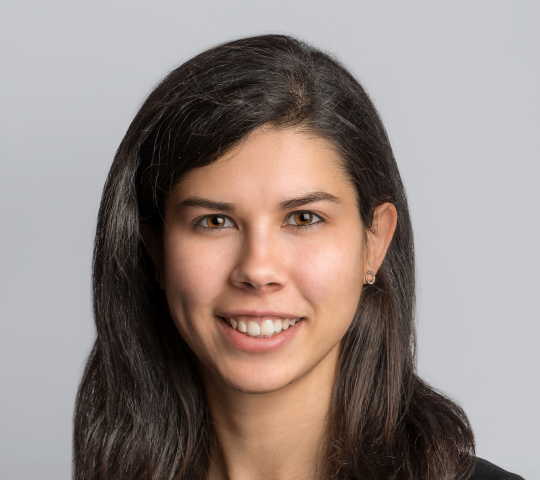
Eleonora Botta is one of the world’s leading experts in space debris capture using tethered nets. Her research addresses the highly complex dynamics of these captures, delivering the first major breakthroughs in the field, and her work has produced immediate advancements while laying a strong foundation for future studies.
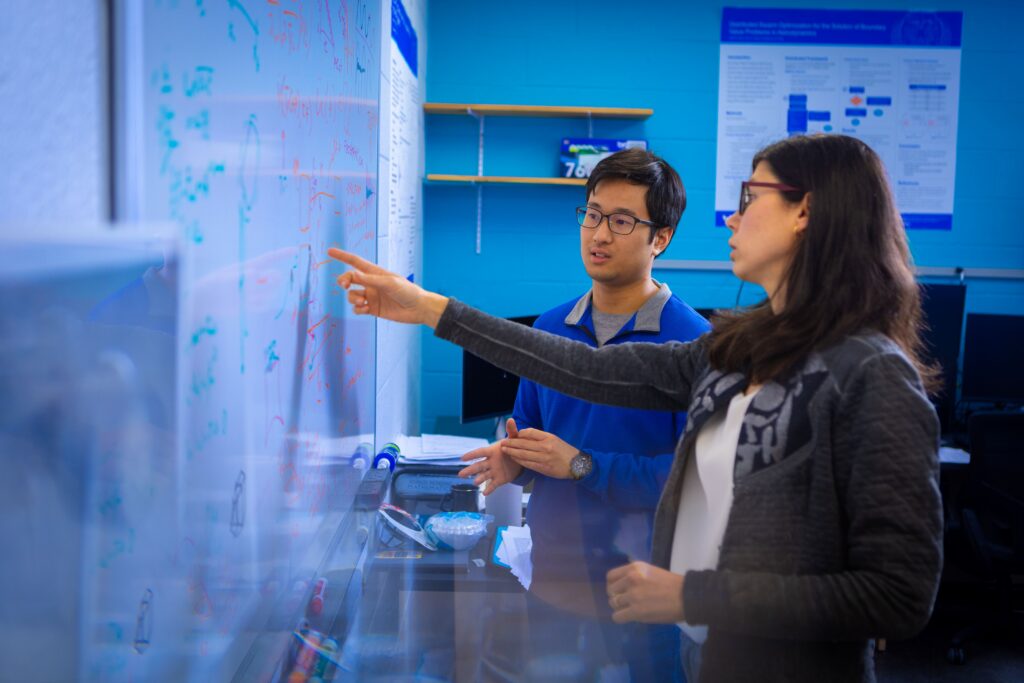
Her contributions are underscored by her selection as the inaugural AIAA Niagara Frontier Section Young Professional of the Year, chosen from a competitive pool of nominees across a wide region from Buffalo to Rome, NY, and Toronto to Quebec City, Canada. She has been widely featured in major news outlets discussing the threat of space debris and is a co-author of the book, Innovative Hand Exoskeleton Design for Extravehicular Activities in Space, considered the definitive reference on the subject.
Botta is committed to mentorship. Her graduate students have received prestigious honors including NSF Graduate Research Fellowships, NASA Pathways internships, and multiple Best Paper awards. Her undergraduate students have similarly excelled, earning NASA Space Grant Awards and the Excellence in Research, Scholarship and Creativity Award.
Her exceptional service to the aerospace community includes chairing the AIAA Space Tethers Technical Committee and serving as a member of the AAS Spaceflight Mechanics Committee. She also sits on the editorial board of the International Journal of Space Science and Engineering and is Associate Editor for the AIAA Journal of Spacecraft and Rockets, IEEE Transactions on Aerospace and Electronic Systems, and Advances in Space Research.
Mahhad Nayyer
Ph.D. Candidate and Mirzayan Fellow at National Academy of Sciences
Purdue University
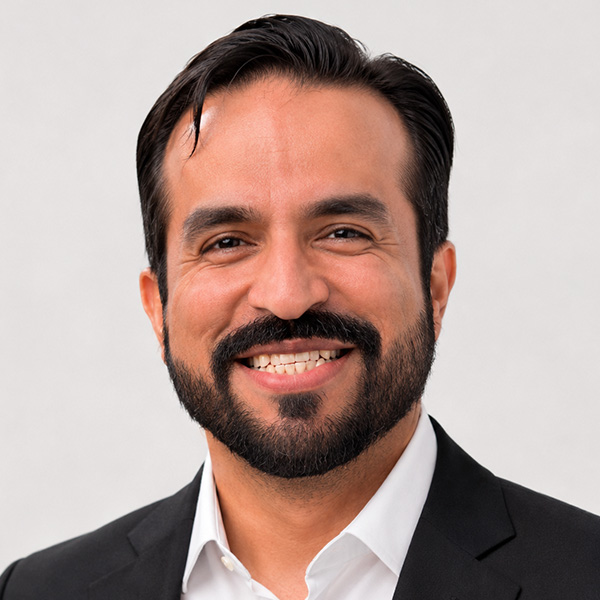
Mahhad Nayyer is an emerging aerospace leader whose record reflects expertise in astrodynamics, space sustainability, policy, and international service. He is a Ph.D. candidate in Aeronautics and Astronautics at Purdue University, where his research advances analytical orbital capacity, and Space Situational Awareness (SSA). He has published over a dozen scientific publications in reputable journals and conferences. He is an international graduate of the United States Air Force Academy, Class of 2014.
Nayyer’s impact is both technical and community-centered. As co-lead of the Space Safety and Sustainability Project Group at the Space Generation Advisory Council (SGAC), he led a 200-member global volunteer team and supported research papers, webinars, workshops, and outreach projects that reached more than 2,000 young professionals worldwide. He has been instrumental in creating scholarships for SGAC young professionals worth over €50,000.
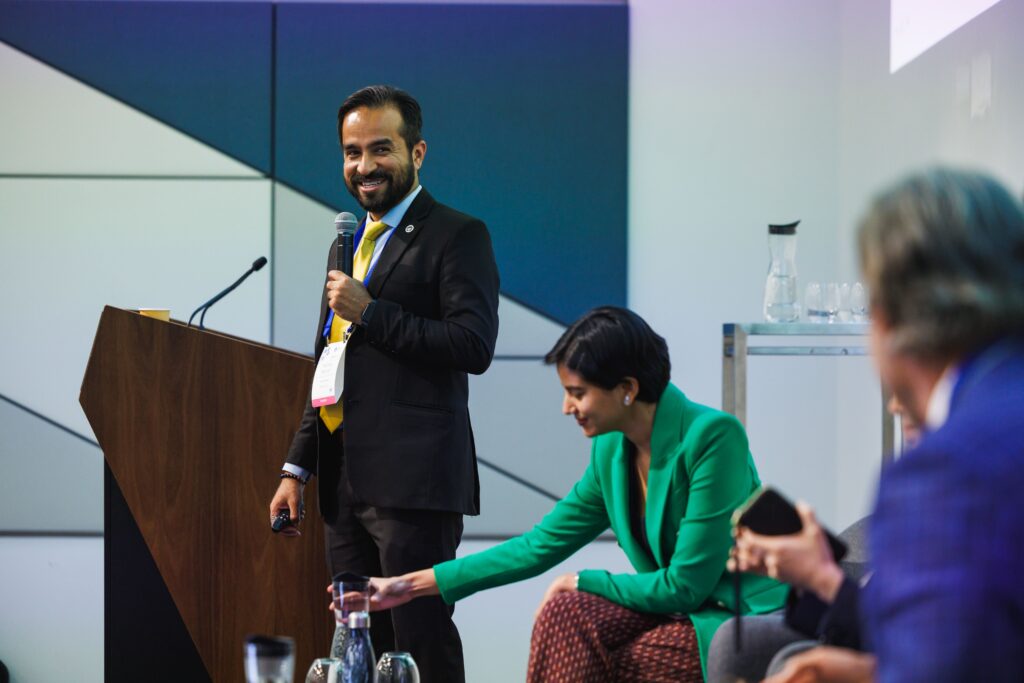
His leadership extends beyond research and professional service. Nayyer helped lead Pakistan’s first agricultural payload to the International Space Station, sending wheat seeds aboard Crew-11 as a scientific, cultural, and educational milestone. He has been selected as a 2026 National Academies Christine Mirzayan Fellow to work on space policy with national stakeholders in Washington, DC. Nayyer has briefed Congressional staff on policy recommendations for America’s leadership in the future of SSA.
Nayyer’s excellence has been recognized through his selection as a member of the 2022 ASCEND Diverse Dozen cohort and as a recipient of the 2025 American Astronautical Society Patti Grace Smith Award and the 2025 IAF Young Space Leader Award. His technical rigor, operational experience, mentorship, and global service represents the best of the next generation of aerospace leadership.
Ashwin Rao
Branch Chief, Analysis
Space Systems Command
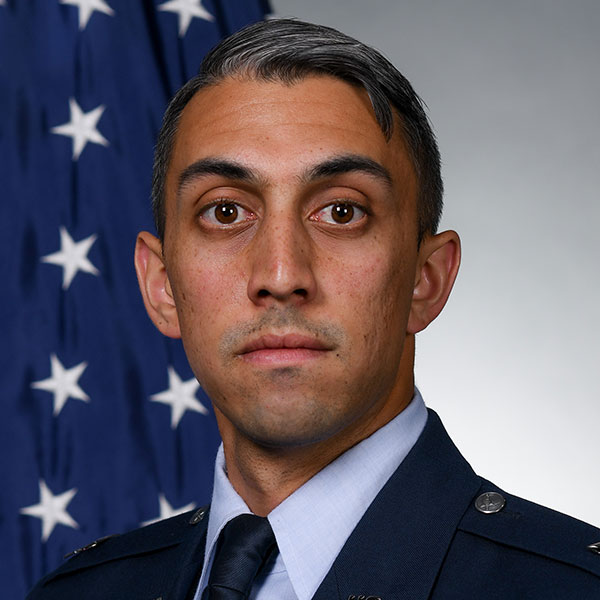
Since entering the aerospace field in 2022, Capt. Ashwin Rao, Ph.D., USAF, has driven monumental advancements in optical sensing, hypersonic aerothermodynamics, and reentry flight testing. In his prior role as a program manager at the Air Force Research Laboratory, he spearheaded the Prometheus program – now a ~$200M dual-use hypersonic testbed leveraging commercial spacecraft to accelerate experimentation for future reentry systems. By pioneering this model, Rao enabled a high-cadence architecture supporting quarterly orbital reentry flight opportunities while reducing flight costs by two orders of magnitude for the entire U.S. hypersonics enterprise.
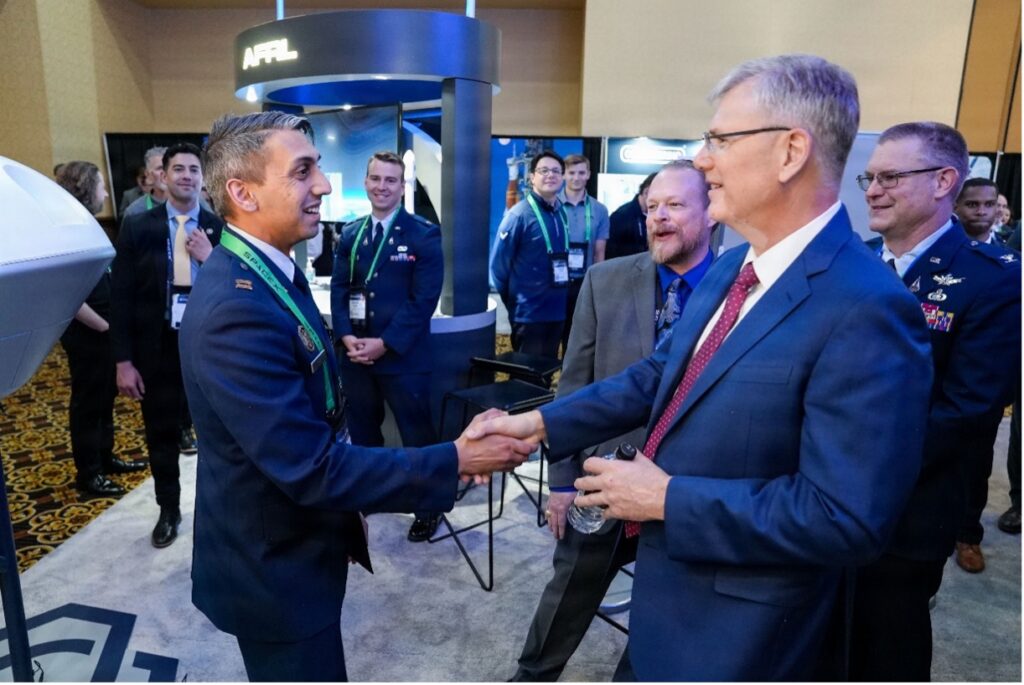
Within the AIAA community, Rao is renowned as the principal investigator for the Optical Sensing of Plasmas in the ReEntry Environment (OSPREE) flight experiment. Leading a 30-person government-industry team, he directed the rapid, one-year development of a $2M space-qualified optical emission spectroscopy payload. He oversaw its seamless build, integration, launch, orbit, atmospheric reentry, and land recovery. OSPREE captured groundbreaking in situ thermochemical data of the reentry shock layer at extreme (Mach 25+) conditions – an unprecedented achievement. Today, over 20 national partners leverage this vital data to anchor state-of-the-art modeling and simulation tools essential for designing civil space and defense reentry systems.
Rao’s exceptional scientific leadership delivers game-changing aerothermodynamic insights and accelerated, affordable flight testing to the hypersonics enterprise. His tireless efforts to accelerate test and experimentation in extreme environments are moving the needle in the design of future high-performance reentry systems.