
AIAA has identified 30 exceptional young professionals who are advancing aerospace through technical achievement, innovation, and leadership. The 30/30 Program highlights individuals in their 30s who are driving breakthrough research, advancing next-generation technologies, leading impactful programs and teams, and accelerating innovation across aerospace. They are presented in seven different technical categories. Meet the winners in our Information Systems Category below. And learn about the full list of 30 exceptional individuals at aiaa.org/get-involved/honors-awards/awards/30-30-recognition-program.
Information Systems
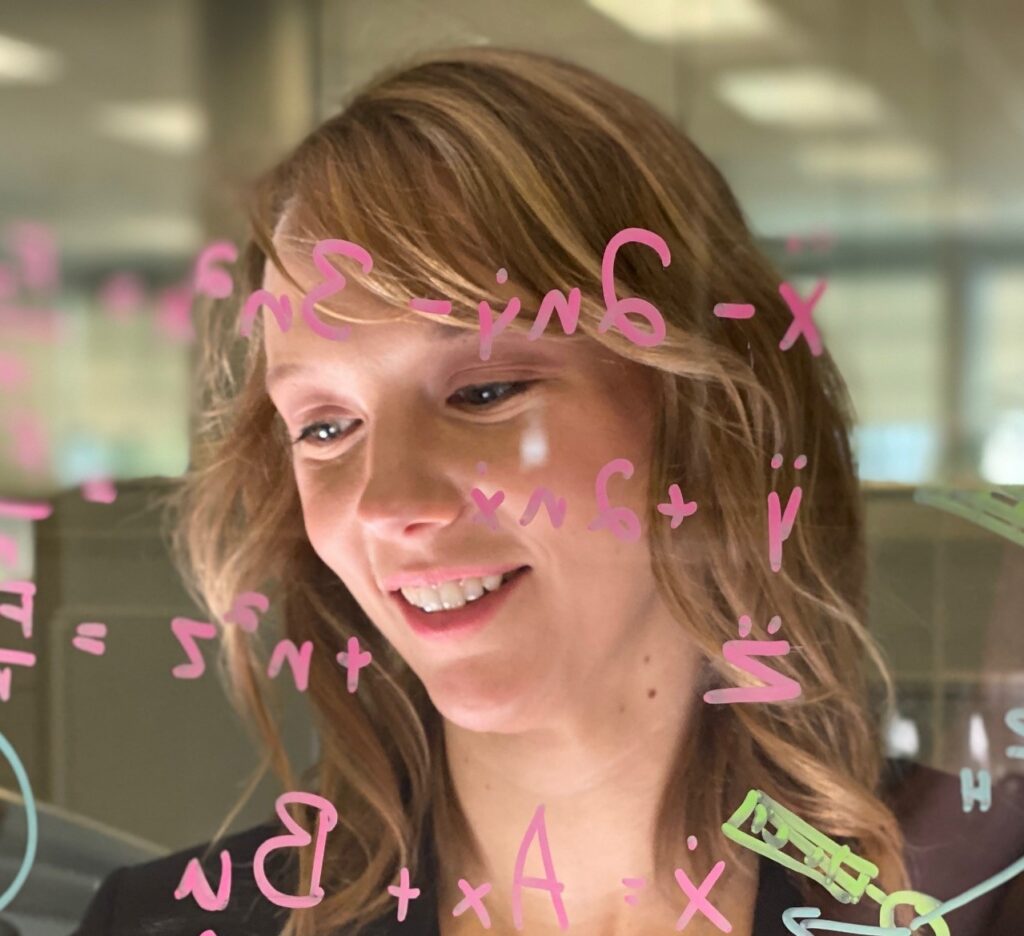
Kerianne Hobbs
Senior Engineering Specialist
The Aerospace Corporation
Kerianne Hobbs is a rare force in aerospace, uniquely spanning the air and space domains with an impactful career of leadership and achievement that bridges fundamental theory and real-world flight testing. In her prior role at Air Force Research Laboratory she led the Safe Trusted Autonomy for Responsible Spacecraft (STARS) program from 2023 to 2025, directing 50+ researchers in trailblazing work on neural network control systems, runtime assurance, and human-autonomy teaming. She contributed to the Automatic Ground Collision Avoidance System (Auto-GCAS), which won the 2018 Collier Trophy as a technology that has prevented 13 pilot fatalities. Hobbs pioneered the Space Trusted Autonomy Readiness (STAR) Levels, now integral to government roadmaps.
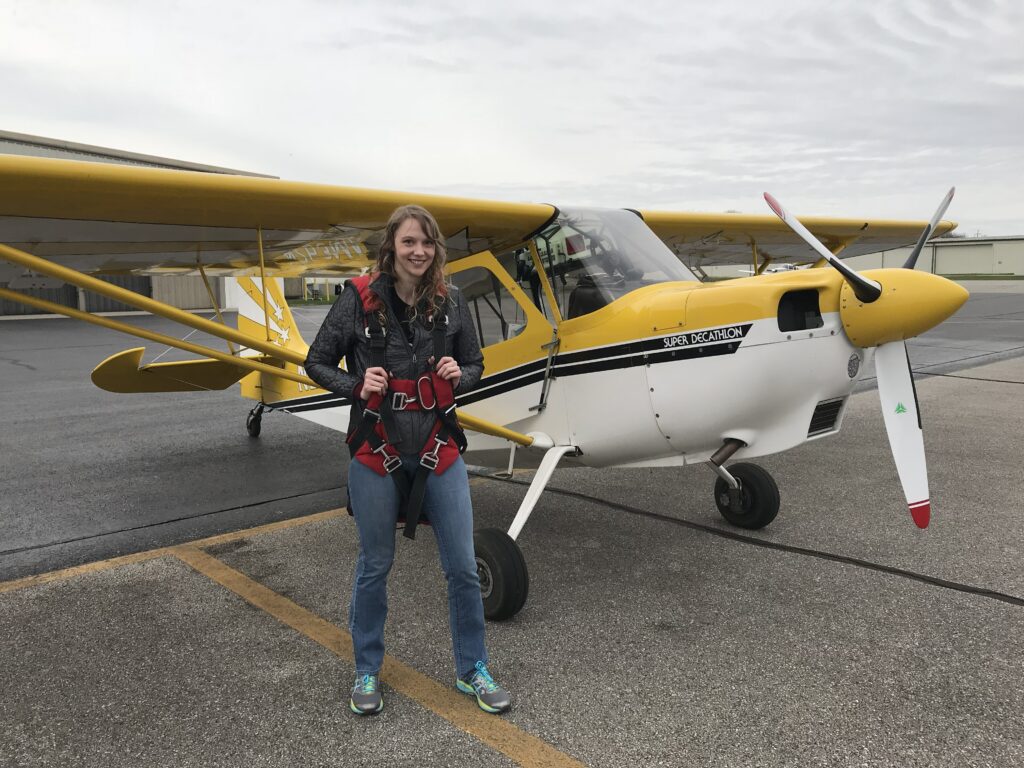
Currently at The Aerospace Corporation, she is increasing the technology readiness level of safe machine learning-based autonomous control. As lead author of the 2025 AIAA white paper on “Autonomous Aerospace Systems R&D Priorities,” she literally wrote the roadmap for the future of safe autonomy. With 70+ technical publications, a decade of service on the AIAA Intelligent Systems Technical Committee, and recognition as a 2024 AIAA Associate Fellow, Hobbs is a thought leader in high-assurance autonomous flight control. Mentoring 40+ students, serving on 11 graduate committees at seven universities, and inspiring multiple students to pursue Ph.D.s in aerospace engineering, Hobbs exemplifies the future leader who is defining the safety-critical standards that will govern autonomous flight for decades to come.
Carolyn Eady
Senior Professional Staff II and Assistant Project Manager
Johns Hopkins University Applied Physics Laboratory (JHUAPL)
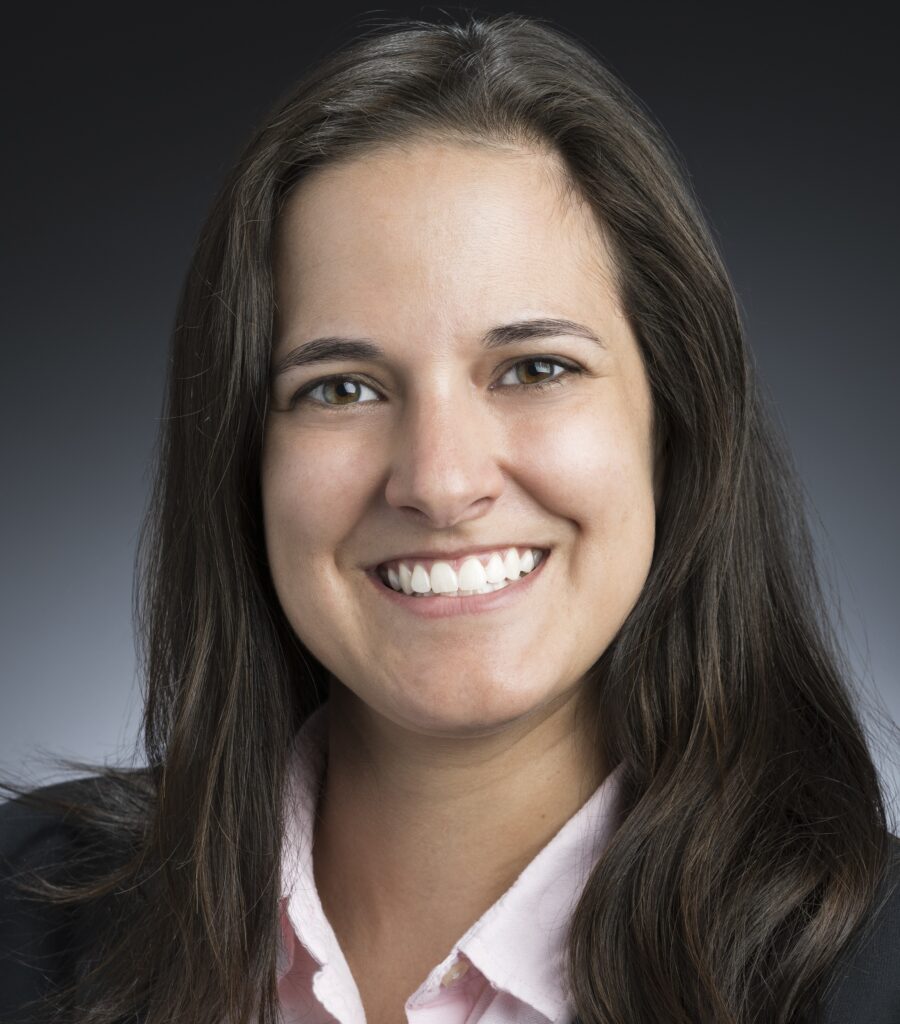
Carolyn Eady is a technical leader whose work spans ballistic missile defense, missile systems, and complex system‑of‑systems architectures. She combines deep technical expertise with a strong commitment to building high‑performing teams, empowering and mentoring staff through hands-on technical engagement.
With a foundation in mathematics and biomathematics, Eady brings a distinct perspective to aerospace and national security challenges. As chief engineer for a multiyear development and test program, she led a small, cross‑functional team that guided both government and industry partners in delivering a complex, system‑of‑systems capability. Her communication with senior laboratory and military leadership is consistently clear, candid, and solutions‑oriented. Eady and her team were awarded the JHUAPL Director’s Special Achievement Award in 2022, recognizing the impact of her work on some of our hardest national security challenges.
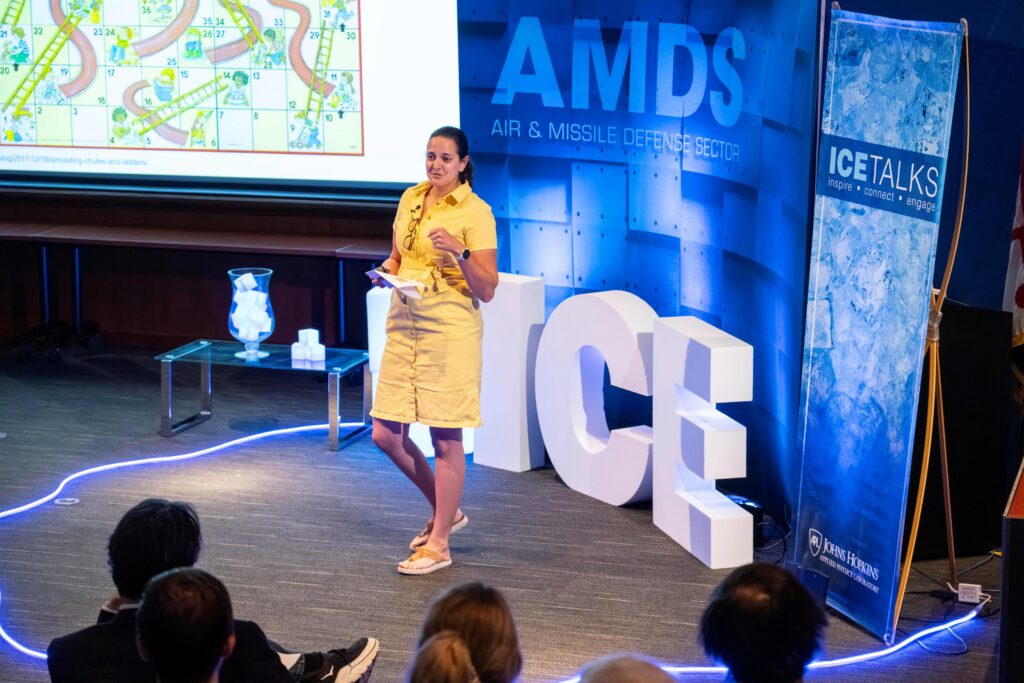
Eady is now the command and control (C2) lead and assistant project manager for novel space system rapid prototyping efforts, driving system architecture, tasking algorithms, and C2 test design. She leverages her previous work shaping global multidomain C2 algorithms for tracking, state estimation, scheduling, and sensor resource management – work that is informing the development of future multi-domain operations. Beyond her program work, Eady’s leadership extends to the broader community: she serves on the AIAA Information and Command and Control Systems Technical Committee and is part of the technical discipline committee for AIAA SciTech Forum planning. Eady also supports JHUAPL efforts to strengthen S&T outreach and academic engagement between JHUAPL and other academic institutions, and she bolsters colleagues’ growth through JHUAPL’s mentoring program.