
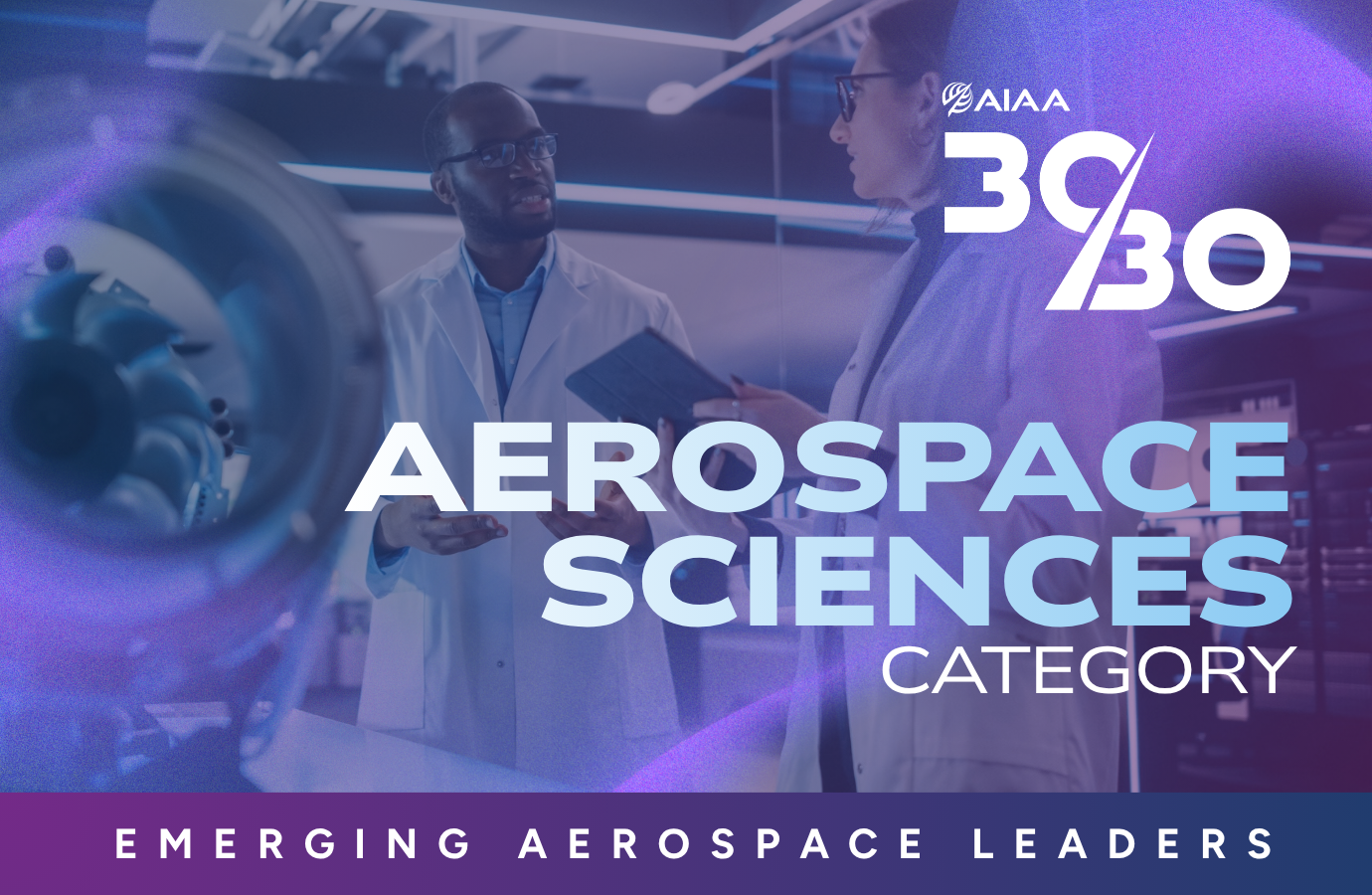
AIAA has identified 30 exceptional young professionals who are advancing aerospace through technical achievement, innovation, and leadership. The 30/30 Program highlights individuals in their 30s who are driving breakthrough research, advancing next-generation technologies, leading impactful programs and teams, and accelerating innovation across aerospace. They are presented in seven different technical categories. Meet the winners in our Aerospace Sciences Category below. And learn about the full list of 30 exceptional individuals at aiaa.org/get-involved/honors-awards/awards/30-30-recognition-program.
Aerospace Sciences

Daniel Donahue
Aerodynamic Stability and Control Engineer
The Boeing Company
As Associate Technical Fellow at The Boeing Company, Dan Donahue repeatedly advances the identification, testing techniques, and modeling methodologies of dynamic derivatives and unsteady aerodynamic effects while guiding the next generation of engineers. As lead aerodynamic stability and control engineer for a proprietary program, he shapes technical direction across multiple platforms – including F-15, F/A-18, T-7A, and MQ-25 – and leads a cross-divisional research group spanning several Boeing divisions. Throughout these efforts, Donahue directed over 40 experimental test campaigns of static and dynamic wind tunnel, water tunnel, and flight testing to validate and refine his theories. His most consequential advancements include methods for isolating quasi-static and unsteady aerodynamic derivatives during dynamic testing, applying reduced-order modeling as simulation alternatives to traditional Taylor Series expansion methods, and developing methods to identify regions of unsteady aerodynamics from static wind tunnel and CFD data. These contributions directly shape how the aerospace industry will model unsteady aerodynamics in future simulations – moving the field from approximation toward precision.
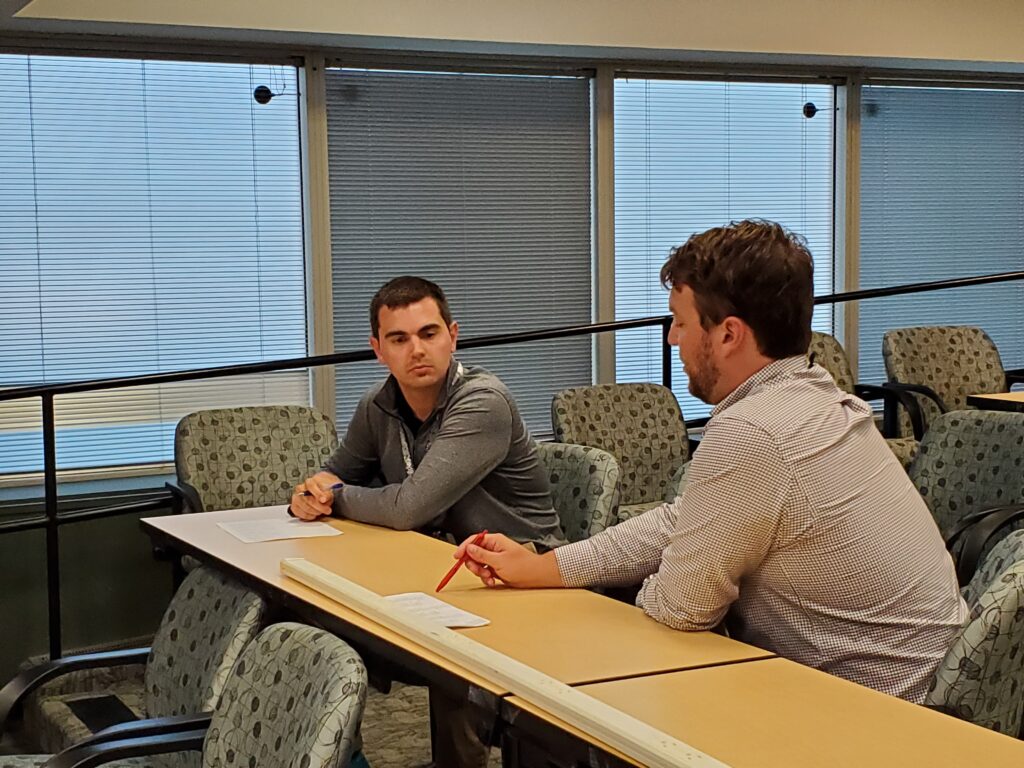
Donahue’s impact extends beyond research. He holds a patent in flight controls, authors Boeing Design Practices, mentors over a dozen early-career engineers, instructs a Fluid Dynamics Laboratory at Washington University in St. Louis, and previously served as Young Professional chair for the AIAA St. Louis Section. Through sustained knowledge advancement, leading cross-disciplinary teams, publishing best practices, and sustained mentorship, Donahue’s blend of technical rigor, program impact, and commitment to future workforce development leaves measurable and lasting marks on the field that merits recognition as a rising technical leader.

Anthony Ashley
Advanced Technology Leadership Program / Aeronautical Engineer Staff
Lockheed Martin Corporation
Anthony Ashley is the Computational Fluid Dynamics (CFD) Digital Transformation Tech Lead at Lockheed Martin, responsible for enabling expanded use of aerodynamic simulation in the design process through improved accuracy and uncertainty quantification. In this role he ensures that aerodynamic simulations meet or exceed accuracy, cost, and speed requirements. Ashley has integrated critical algorithmic enhancements in flow solvers and supported their application on multiple Skunk Works and Lockheed Martin aircraft including the F-35, F-22, F-16, and C-130. He also brings his expertise to integrated propulsion system compatibility, digital twinning, and adjoint-based optimization.
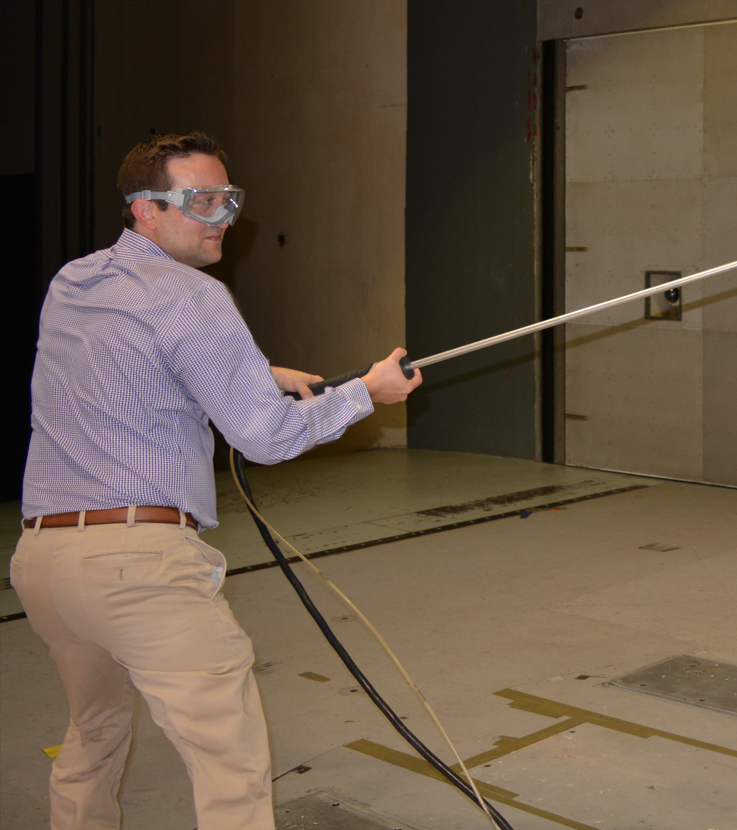
Ashley is dedicated to supporting and strengthening AIAA. He has authored numerous conference papers and has served on the Applied Aerodynamics Technical Committee since 2022. He has been Technical Discipline Chair/Co-Chair for AIAA AVIATION from 2024 to 2026. He is a primary facilitator of RECAP (Revitalizing Early Career AIAA Participation), increasing the engagement of early-career Lockheed Martin engineers with AIAA. He is also a committed STEM volunteer in the Dallas/Fort Worth area.
Ashley is extremely passionate about mentoring the next generation at Lockheed Martin and AIAA. He serves as lead CFD instructor at Lockheed Martin Aeronautics, ensuring that analysts have the knowledge required to produce accurate results efficiently.
By coupling meticulous execution, a passion for mission success, and an ability to unite functional and program stakeholders, Ashley has elevated Lockheed Martin’s CFD capabilities, delivered measurable savings, and emerged as a distinguished leader and indispensable asset to the aerospace community.

Jeremy Boling
Mechanical Engineer
U.S. Army DEVCOM Armaments Center
Jeremy Boling joined the U.S. Army DEVCOM Armaments Center in 2020 with an impressive resume ranging from research fellow at Air Force Research Lab Wright-Patterson, to researching high-velocity VTOL concepts. He is a CFD expert and alleviated an important simulation bottleneck.
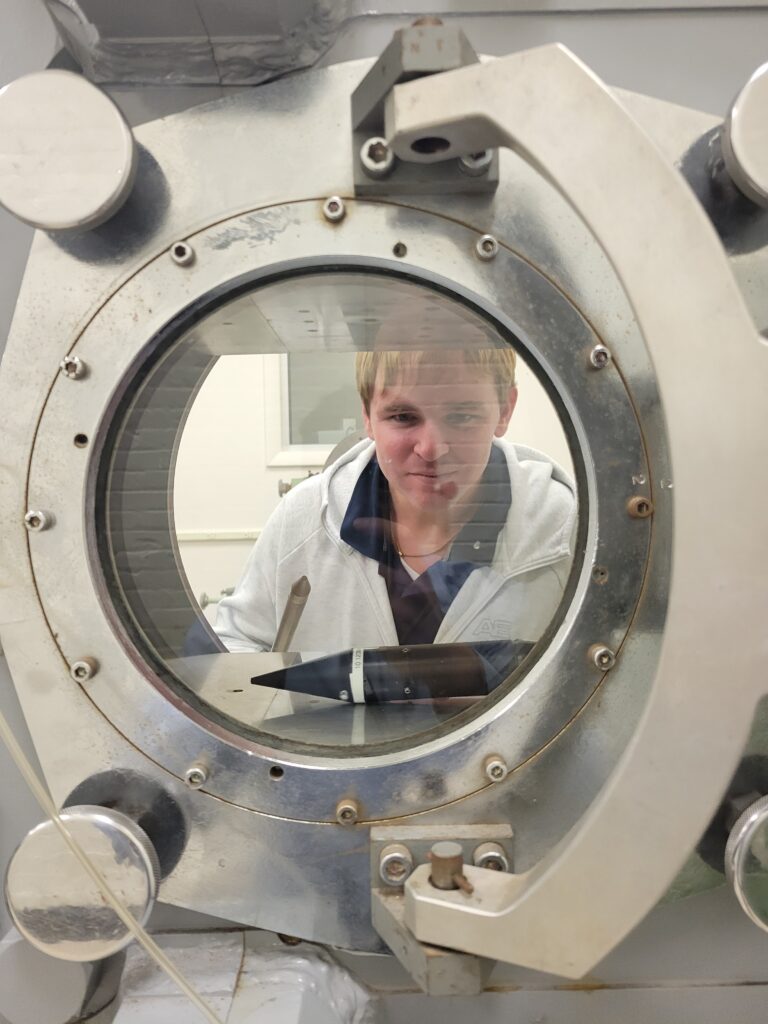
Boling recognized that many junior engineers were creating CFD analyses without a comprehensive understanding of the underlying principles. He took immediate action and gathered subject-matter experts to create a review board to examine and critique CFD analyses. This has saved many projects time and money and is a vital training tool for younger engineers.
Since joining U.S. Army DEVCOM Armaments Center Boling has become known as a “rockstar” in his division, as one Division Chief said. Recently, he was called upon to simulate a critical effort for the Joint Enhanced Munitions Technology Program, well outside of the usual Aeroballistics expertise. Boling has an unshakable work ethic. Despite a grueling schedule, he pursues independent aerospace research. He has numerous publications from AIAA SciTech Forum and AIAA AVIATION Forum and is preparing two new submissions for AIAA SciTech Forum 2027. He also takes time to help with the local AIAA section’s children’s events. He truly cares about aerospace and the future of aerospace engineering.

Roshan T. Eapen
Assistant Professor, Aerospace Engineering
Pennsylvania State University
Roshan Eapen is redefining how we detect, track, and autonomously operate spacecraft. His research uniquely integrates dynamical systems theory, optimal control, sensing, and experimental validation to solve problems of immediate relevance to autonomous space operations.
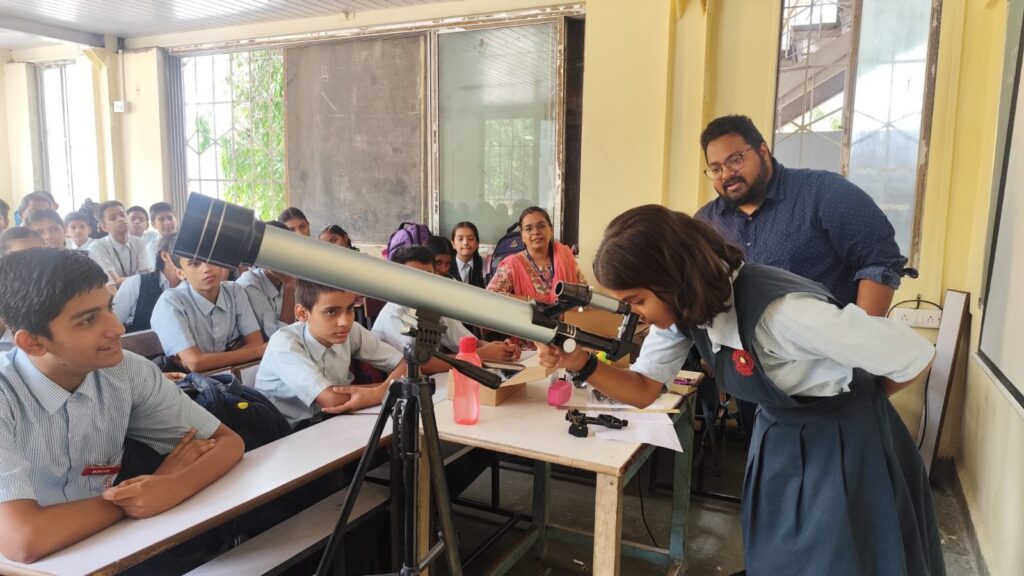
In just four years at Penn State, Eapen established two first-of-their-kind research facilities: PSUDO, a ground-based SSA observatory that has tracked Artemis, James Webb Space Telescope, and other assets, providing the astrodynamics community with critical data; and the GRIP Laboratory, a DoD-DURIP-funded, gravity-offloaded testbed for proximity operations that bridges algorithms with real-world validation.
His theoretical contributions are equally impactful. His Hamilton-Jacobi framework addresses longstanding computational barriers limiting real-time autonomous guidance for cislunar and proximity operations, while his momentum-map and pseudo-constants-of-motion framework provides new analytical tools for trajectory design and orbit determination in multibody environments. NASA recognized this work through a highly competitive Early Career Faculty Award.
Eapen actively transitions research into operational impact through collaborations with Peraton, Space Kinetics, and Applied Research Laboratory at Penn State. He also serves as treasurer of the AAS Space Flight Mechanics Committee and has contributed to international space policy discussions through INDUS-X. Equally important, he has built a deeply student-centered research and teaching environment. His students have earned NSF Graduate Research and DoD SMART Fellowships, while his immersive XR visualization tools, observatory initiatives, and outreach workshops are helping inspire and train the next generation of aerospace engineers and space researchers. Through both technical innovation and mentorship, he is leaving a lasting mark on the future of autonomous space operations.

Richard Hann
Director, UAV Icing Lab
Norwegian University of Science and Technology
&
Head of Aerodynamics
Ubiq Aerospace
Richard Hann is one of the foremost young leaders in in-flight icing of UAVs, a field he has helped transform from a niche research topic into an internationally recognized aerospace challenge. His work addresses a critical barrier to autonomous aviation: enabling uncrewed aircraft to operate safely and reliably in icing and adverse weather conditions, particularly in winter and Arctic environments.
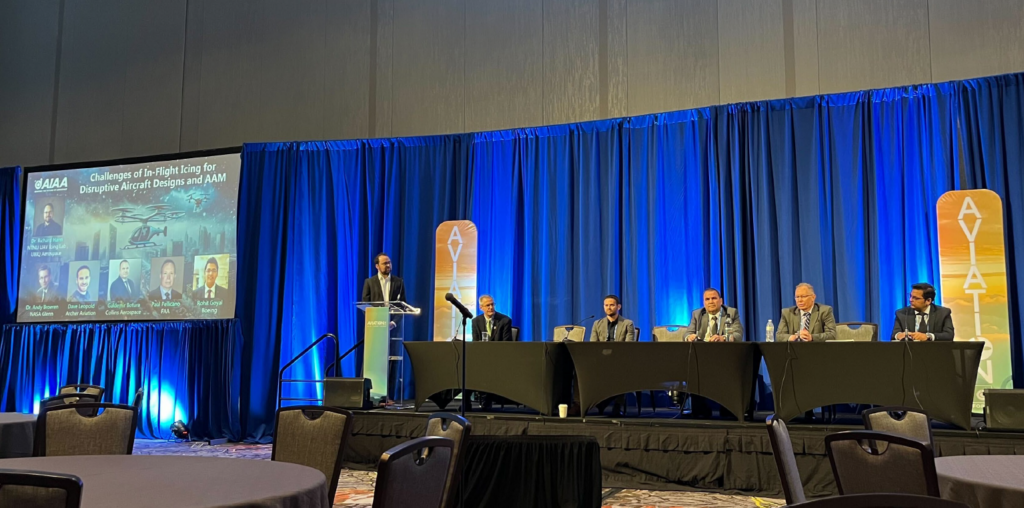
At the Norwegian University of Science and Technology, Hann founded and leads the UAV Icing Lab, now comprising six Ph.D. students. He has built an integrated research program spanning flight testing, icing wind tunnel experiments, numerical simulation, operational risk assessment, and technology development. As the leading author in UAV icing publications, he has become a central scientific voice in the field. His research has secured Norwegian and European funding, including leadership roles in four European projects.
Hann’s impact extends beyond scientific work and publications. At Ubiq Aerospace, he helps translate research into deployable ice protection and detection technologies for UAVs, linking academic rigor with commercial, defense, and certification needs. He has also contributed UAV icing validation datasets to AIAA Ice Prediction Workshop activities, supporting future certification and safe operations.
He has built up the international UAV icing community by initiating the UAV Icing Workshop, co-chairing a NATO STO AVT task force (AVT-388) with 55 representatives from 15 nations, and contributing actively to AIAA by leading technical sessions and panel discussions. Hann exemplifies technical excellence, future potential, and field-shaping leadership.
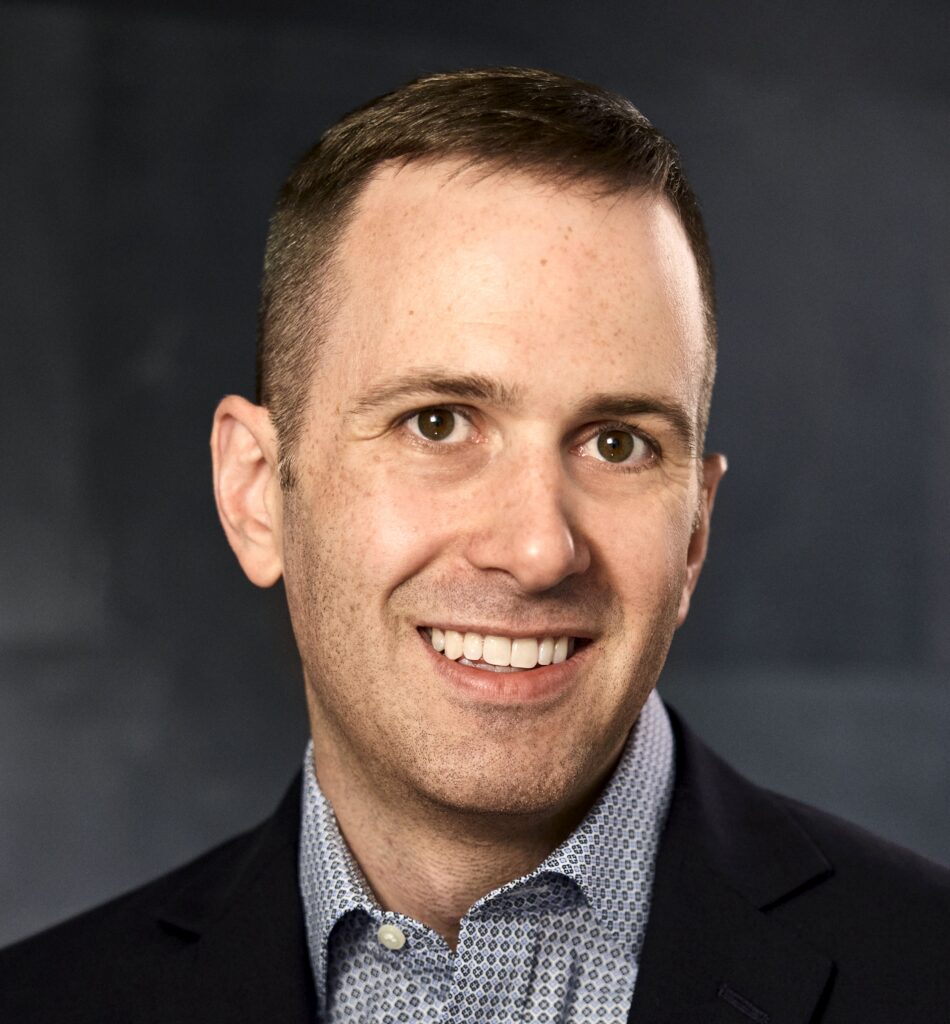
Ryan J. Meritt
Director, Ahmic Operations
CUBRC
Ryan Meritt is an engineer, veteran, entrepreneur, and technical leader whose career bridges fundamental research and commercialization. His doctoral research at Virginia Tech advanced boundary-layer diagnostics through skin-friction measurement techniques now used across national hypersonic testing programs. He was commissioned into the U.S. Air Force while completing his doctorate, leading scramjet propulsion test campaigns at Air Force Research Laboratory before separating as a Captain.
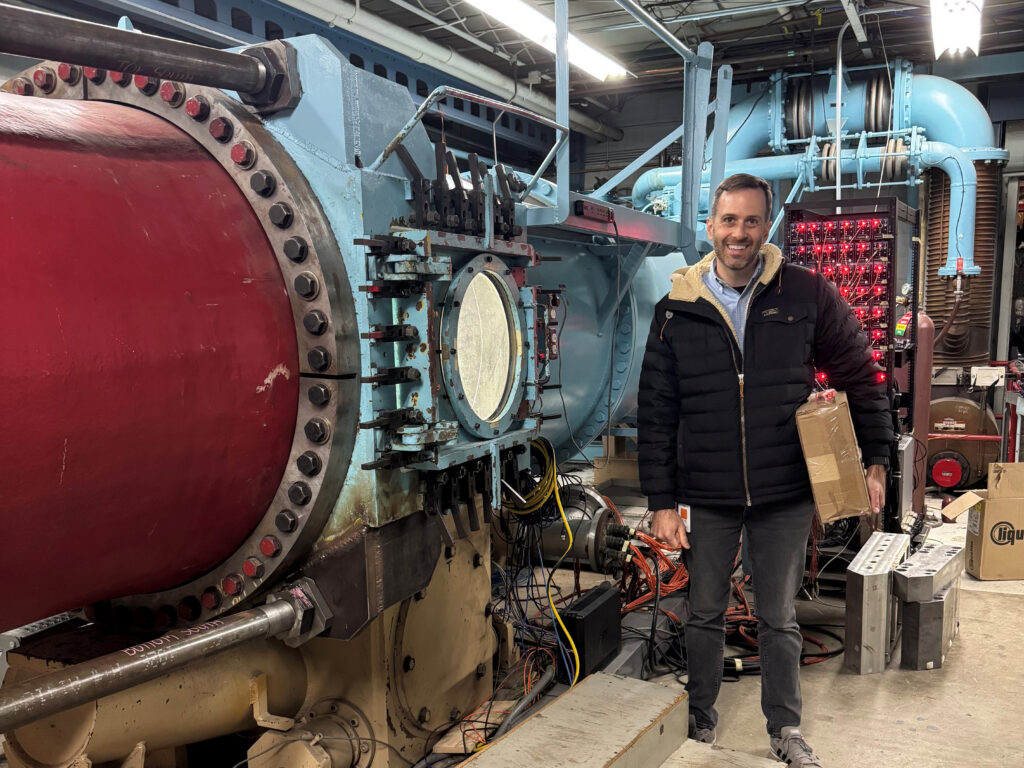
At age 25, Meritt founded Ahmic Aerospace as a solo entrepreneur with no outside funding and became the first to commercialize wall shear sensors for aerospace applications. Over the following decade, Ahmic delivered more than 1,000 precision instruments supporting thermal, force, and moment measurements for NASA, DoD, national laboratories, and universities, including sensors flown on 10+ hypersonic vehicles. The company grew to $3M revenue with 30%+ annual growth, earning Inc. 5000 recognition as one of America’s fastest-growing private companies. Ahmic’s work was also featured on “Viewpoint with Dennis Quaid.” In 2024, Ahmic was acquired by CUBRC; Meritt continues to lead the division.
As an AIAA Ground Testing Technical Committee member, Meritt helps shape priorities in ground test technology. He has supported six startup funding rounds through a Virginia Tech-affiliated investment group, mentors founders, and delivers seminars at AFRL, AFIT, and universities on aerospace innovation and entrepreneurship.
His honors include the 2026 Dayton Business Journal Forty-Under-40, 2025 AIAA AMT Innovation Award, 2025 Virginia Tech Outstanding Alumni Achievement Award, and 2022 Virginia Tech Emerging Leaders Award. He has authored 30+ technical publications and holds two U.S. patents, advancing measurement capabilities underpinning next-generation aerospace systems.

Harry Smith
Director of Flight Sciences
Flexcompute
Harry Smith is a technically accomplished engineer who combines deep aerospace expertise with innovative approaches to data, software, and decision-making. Early in his career he demonstrated a passion for teaching aerodynamics and flight mechanics.
At the Aircraft Research Association in England, he created a Digital Image Correlation capability for model-deformation measurement, still in use a decade later.
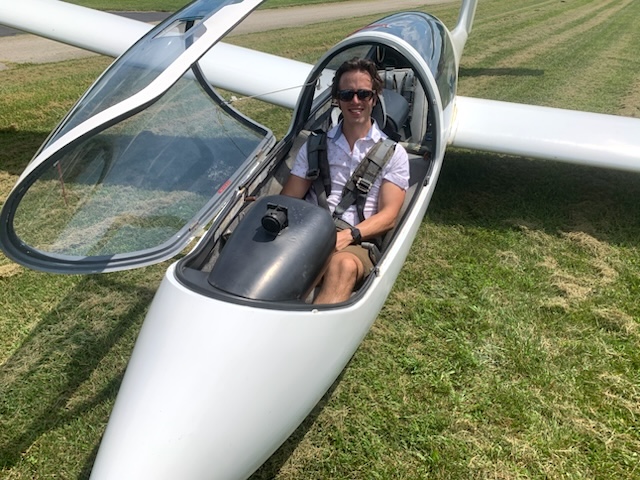
Moving to Boeing’s Aurora subsidiary, Smith created PARADIGM, a system-of-systems decision platform for fleet planning, routing, and infrastructure, with a pioneering capability for future fuel types: what aircraft should we build when requirements differ vastly from kerosene?
Now at the CFD start-up Flexcompute, he has again built tools to make CFD more productive: Thread and Tailor. Thread records the full lineage of every computational analysis. Common practice leaves that information scattered, so a run is often costly or impossible to reproduce. Tailor starts from a cheap low-fidelity prior, such as a vortex-lattice, across a large N-dimensional space, then uses a neural network to learn where higher-fidelity CFD captures physics the low-order methods miss and runs the expensive cases only there. This drastically lowers the cost of filling a database and ensures every point earns its place, so no surprises arise at flight test.
Through his public-facing aeronautics website, Smith has helped make sophisticated aerospace concepts more accessible to engineers and students. His YouTube lessons and website have been watched and visited thousands of times.
Smith stands out as a technical pioneer whose influence reaches far beyond his immediate projects. His combination of achievements, aerospace knowledge, software innovation, technical communication, and leadership exemplifies the future of the aerospace workforce.