
AIAA has identified 30 exceptional young professionals who are advancing aerospace through technical achievement, innovation, and leadership. The 30/30 Program highlights individuals in their 30s who are driving breakthrough research, advancing next-generation technologies, leading impactful programs and teams, and accelerating innovation across aerospace. They are presented in seven different technical categories. Meet the winners in our Aerospace Design and Structures Category below. And learn about the full list of 30 exceptional individuals at aiaa.org/get-involved/honors-awards/awards/30-30-recognition-program.
Aerospace Design and Structures
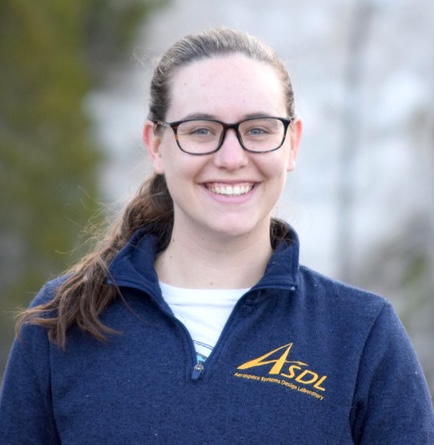
Taylor Fazzini
Modeling & Simulation Engineer
Northrop Grumman Corporation
Fazzini has a combination of technical vision, professional leadership, and commitment to strengthening the aerospace community that is exceptionally rare for an early career engineer. At Northrop Grumman, she is a strong advocate for integrating mission engineering and operations analysis into the traditional aerospace disciplines to help push the industry towards design approaches that connect aircraft capability, operational effectiveness, and real-world mission outcomes. Her doctoral work reflects this same forward-looking mindset as it couples aircraft design and operations analysis through emerging and state-of-the-art digital tools.
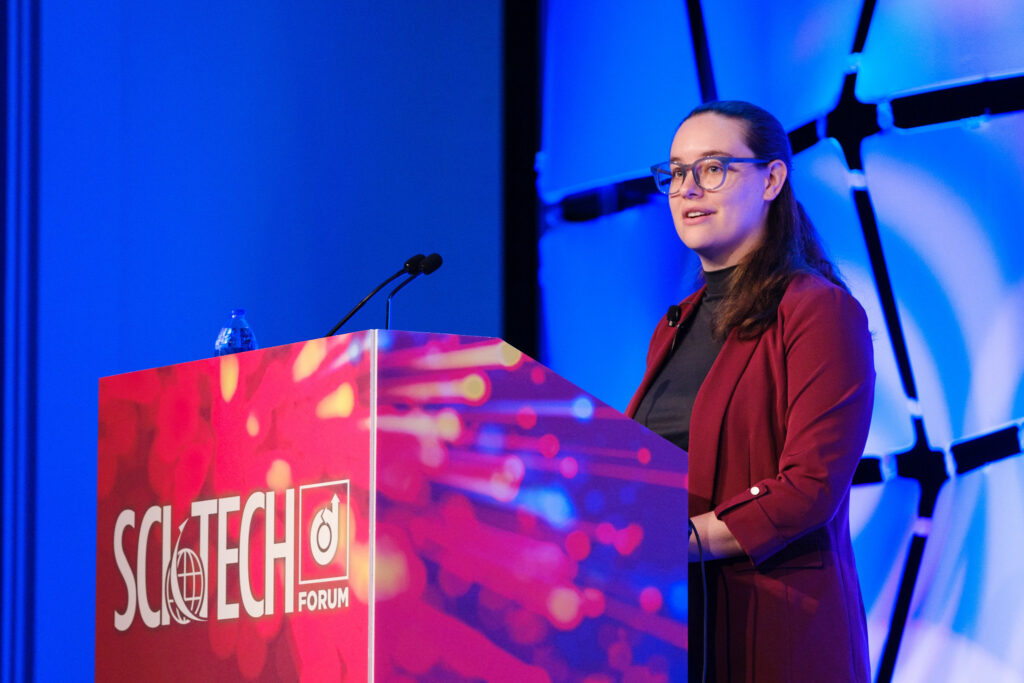
In addition to her technical depth, Fazzini has demonstrated significant volunteer leadership across AIAA. She is a member of the Design/Build/Fly organizing committee, Director Emeritus of the Young Professional Group, member of the AIAA SciTech Forum Advisory Committee, provides national-level mentorship, and participates in her local community through both AIAA and SWE. Through these roles, she consistently advocates and shapes opportunities for students and young professionals while contributing to the broader technical direction of the aerospace community.
Fazzini is pushing the industry toward revolutionary new ways to design while also making the industry more welcoming and a better place to work. As a vocal champion for the young engineer’s voice, she is ensuring emerging leaders are heard, supported, and empowered.

Angela Buccio
Engineering Specialist, Rotor Dynamics and Aeromechanics
Bell Textron Inc.
Since joining Bell Textron, Angela Buccio’s focus has been on rotorcraft multibody dynamics modeling, aeroelastic stability, and loads predictions. In Italy, she earned the Aerospace Women Award from her university for Aeronautical Engineering Best Thesis. She also won the VFS Lichten Award for her groundbreaking work at Bell on isolated rotor blade flutter, which was published in the Journal of the American Helicopter Society.
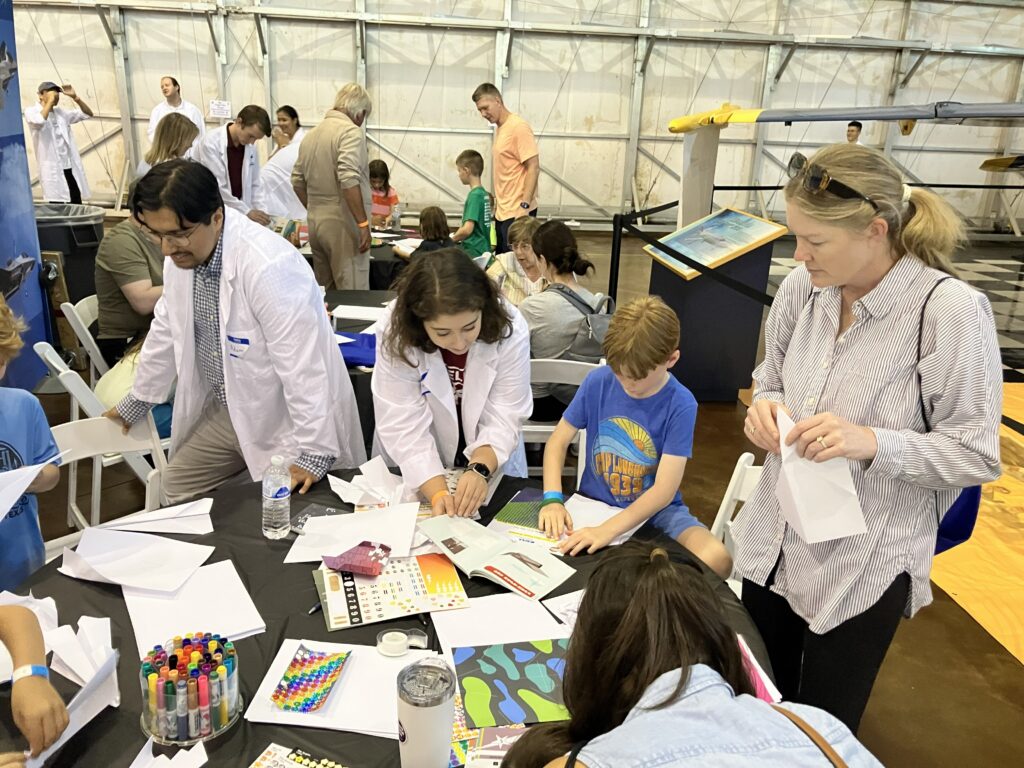
Buccio consistently demonstrates her ability to tackle complex engineering challenges with precision, creativity, and rigor including developing automated tools to accurately correlate analytical load predictions to flight test data, creating an RCAS structural dynamic model for a commercial helicopter to evaluate a proposed design improvement, and leading the execution of a pilot biomechanical feedback dynamic bench test to assess interactions between the pilots and the automatic flight control system. She also plays a critical role as part of the MV-75 dynamics team.
A natural leader and communicator, Buccio has meticulous attention to detail, outstanding analytical skills, and the ability to present complex technical concepts with clarity and confidence. These qualities have made her an invaluable asset to her team at Bell Textron and in her volunteer work with her AIAA section. She regularly volunteers for AIAA events, including serving as a judge for the Southwest Aerospace Symposium and participating in the Collin College Engineering Panel, as well as supporting her AIAA section’s Moon Day STEM event.
Buccio holds Bachelor and Master’s Degrees in Aerospace Engineering from Politecnico di Milano, Italy, and serves as a quality role model for young women from diverse backgrounds and countries.

Alex Carrere
Associate Technical Fellow
The Boeing Company
Alex Carrere is shaping the future of aerospace through high-impact technical contributions and distinguished leadership. In 2024, he became a Boeing Associate Technical Fellow in multidisciplinary design optimization (MDO) methods, where he has advanced integrated processes that replace slow, manual workflows, improving design quality, reducing cycle time, and enabling better informed decisions. His work has reached major Boeing programs and vehicle types, including tactical aircraft, large missiles, blended-wing-body concepts, and electric aircraft.
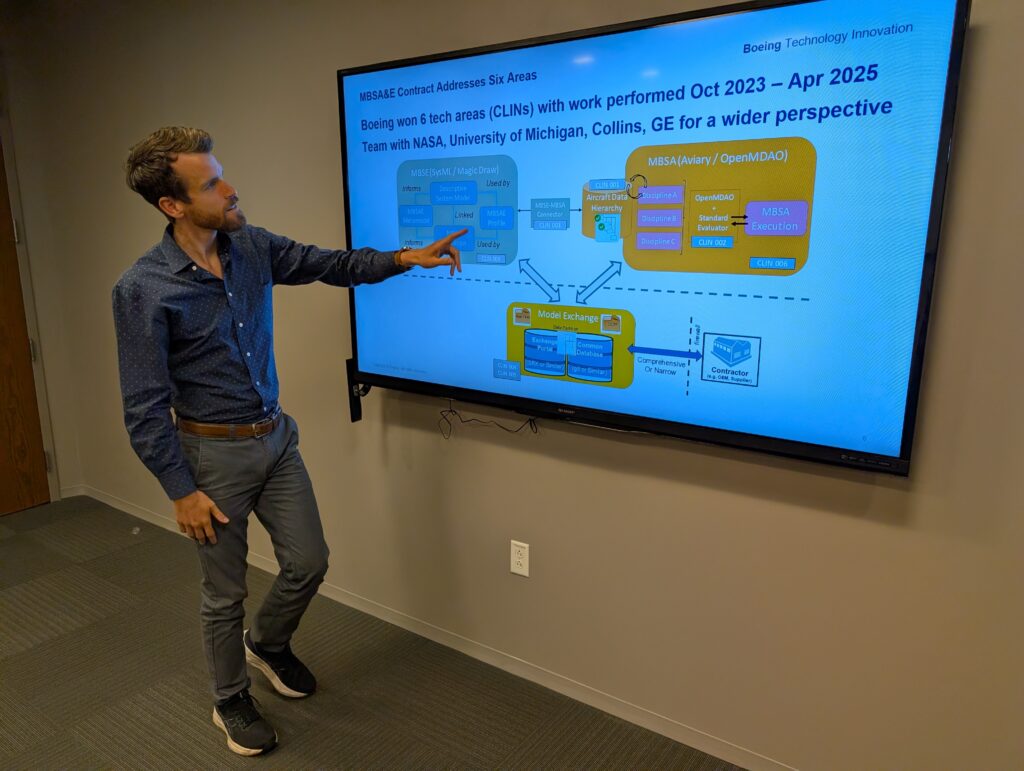
A defining example is his role as lead developer of Tactical-MDAO, Boeing’s preferred fixed-wing conceptual design capability. His success developing, using, and supporting T-MDAO models across many programs delivered >$30M in documented value over five years, earning a prestigious Boeing-wide Technical Replication Award. Carrere has also led and supported high-value, program-critical studies on MQ-25, T-7A, DARPA CRANE, and advanced fighters, helping teams deliver results that otherwise would have been difficult or infeasible while accelerating Boeing’s digital engineering transition. He was a 2022 Engineering Team of the Year finalist for his key technical contributions to Boeing’s $120M+ DARPA CRANE program and led the capture and execution of the $2M+ NASA MBSA&E effort. He serves on the Boeing MDO community steering committee, helping shape enterprise direction.
Carrere’s influence extends beyond Boeing through active AIAA leadership where he shapes the future of MDO. He is a member of the MDO Technical Committee, serves as Technical Deputy Chair for AIAA SciTech Forum 2027, and co-leads a standards working group. He organized special sessions with NASA at AIAA SciTech Forum 2026 and has authored eight technical publications.
Jason Ginn
Mechanical Systems Engineer
NASA Jet Propulsion Laboratory
Jason Ginn received his Master’s in Aerospace Engineering in 2014 from Georgia Tech and immediately started at NASA and Caltech’s Jet Propulsion Laboratory. There he has worked in the EDL Mechanical Engineering group supporting the Low-Density Supersonic Decelerator program, Mars 2020, the Mars Sample Return Concept Mission, and multiple early phase Mars, moon, and Venus EDL systems. For Mars 2020, Ginn served as the cognizant engineer and contract technical manager for the aeroshell, backshell interface plate, parachute support structure, and the parachute closeout cone. He also designed the mechanical interfaces to MEDLI2 and the Parachute Uplook Cameras, allowing for first-ever imagery of a parachute inflating at Mars. He ensured successful delivery and flight of this hardware when Mars 2020 landed at Jezero Crater on 18 February 2021.
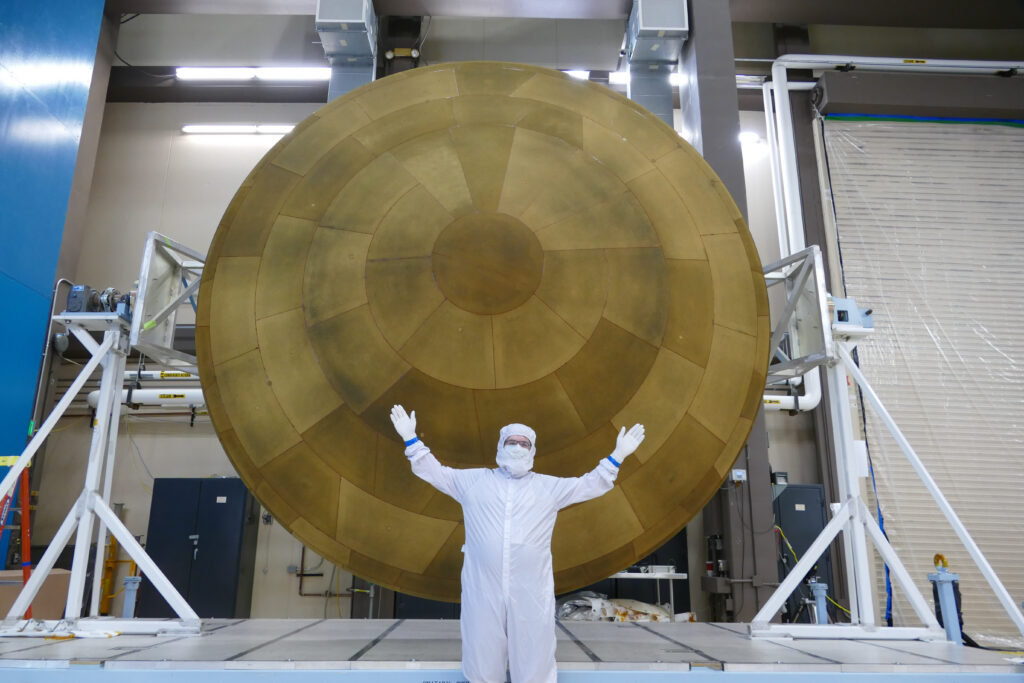
Ginn continues to bring a depth of knowledge in EDL Mechanical Systems Engineering to both JPL and the wider community of EDL engineers. On Mars Sample Return concept mission, he served as a mechanical systems engineer for both entry and descent and the Mars ascent vehicle, tackling some of the hardest problems on the spacecraft design. He has a deep understanding of the mechanical design requirements for Martian EDL, and his knowledge is helping the next Mars missions perform early trade studies.
Ginn has mentored numerous young engineers and interns over his time at JPL, and is working to shape the next generation of EDL engineers into a competent and capable workforce to support upcoming missions.

John Warren
Systems Engineer Staff
Lockheed Martin Corporation
John Warren exemplifies the emerging talent that is reshaping today’s aerospace landscape. He blends a strategic mindset, technical mastery, and an innate ability to translate complex engineering concepts into clear, actionable insight. As the Systems Engineering Staff Product Owner at Lockheed Martin, Warren has overseen a diverse portfolio of AMMM software products – including critical NOAA, Philippines Air Force, and U.S. Air Force Capability Management Update 2 solutions – guiding cross‑functional teams to on‑time, contract‑compliant deliveries. His concise executive briefings consistently empower senior leaders to make data‑driven decisions, underscoring his talent for communicating technical detail to non‑technical stakeholders.
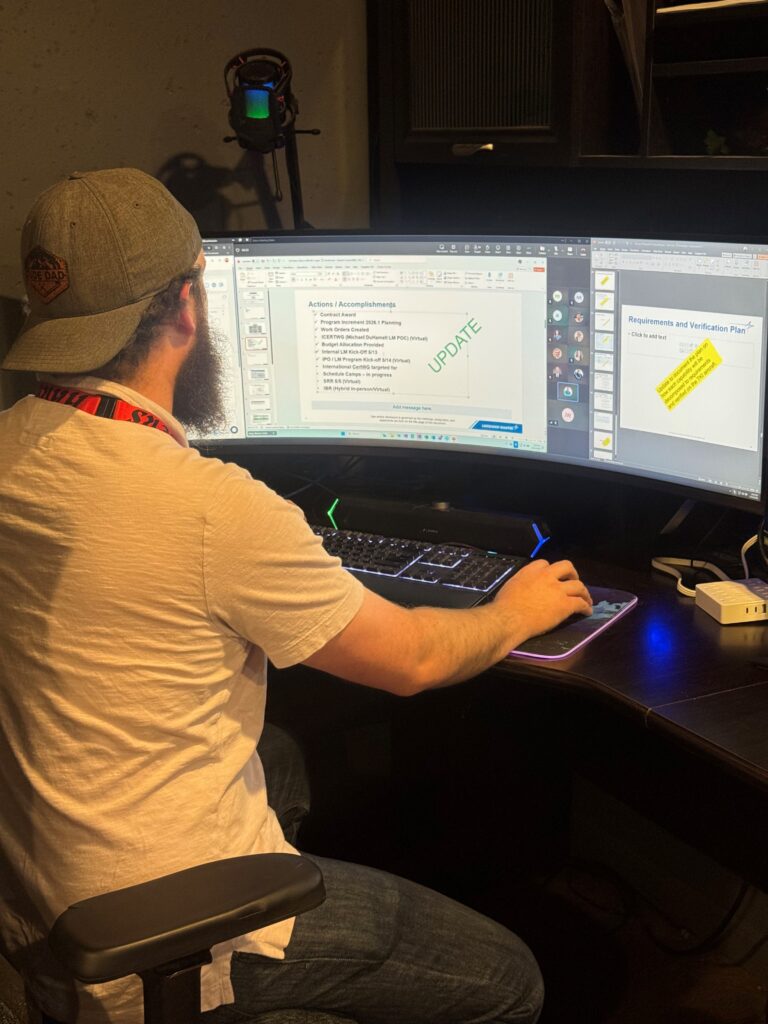
Warren’s proficiency in Agile methodologies and tools such as DOORS has streamlined requirement management and iteration reviews, while his hands‑on expertise in lab verification, budget stewardship, and technical documentation ensures rigorous compliance across all phases of development. Prior to Lockheed Martin, his tenure with the U.S. Air Force honed his instrumentation, electrical‑design, and software‑development skills, delivering innovative solutions for the F‑35, C‑12, and B‑1 platforms. From redesigning telemetry trays to authoring comprehensive engineering manuals, he has repeatedly demonstrated an ability to absorb new technologies rapidly and apply them to mission‑critical challenges.
Beyond technical accomplishments, Warren mentors junior engineers, fosters collaborative environments, and champions continuous learning – qualities essential for nurturing the next generation of aerospace innovators. His career trajectory reflects a relentless commitment to excellence, adaptability, and strategic impact, positioning him as a truly up‑and‑coming professional of the aerospace community.