Wisk assesses ‘flyability’ of key markets based on weather


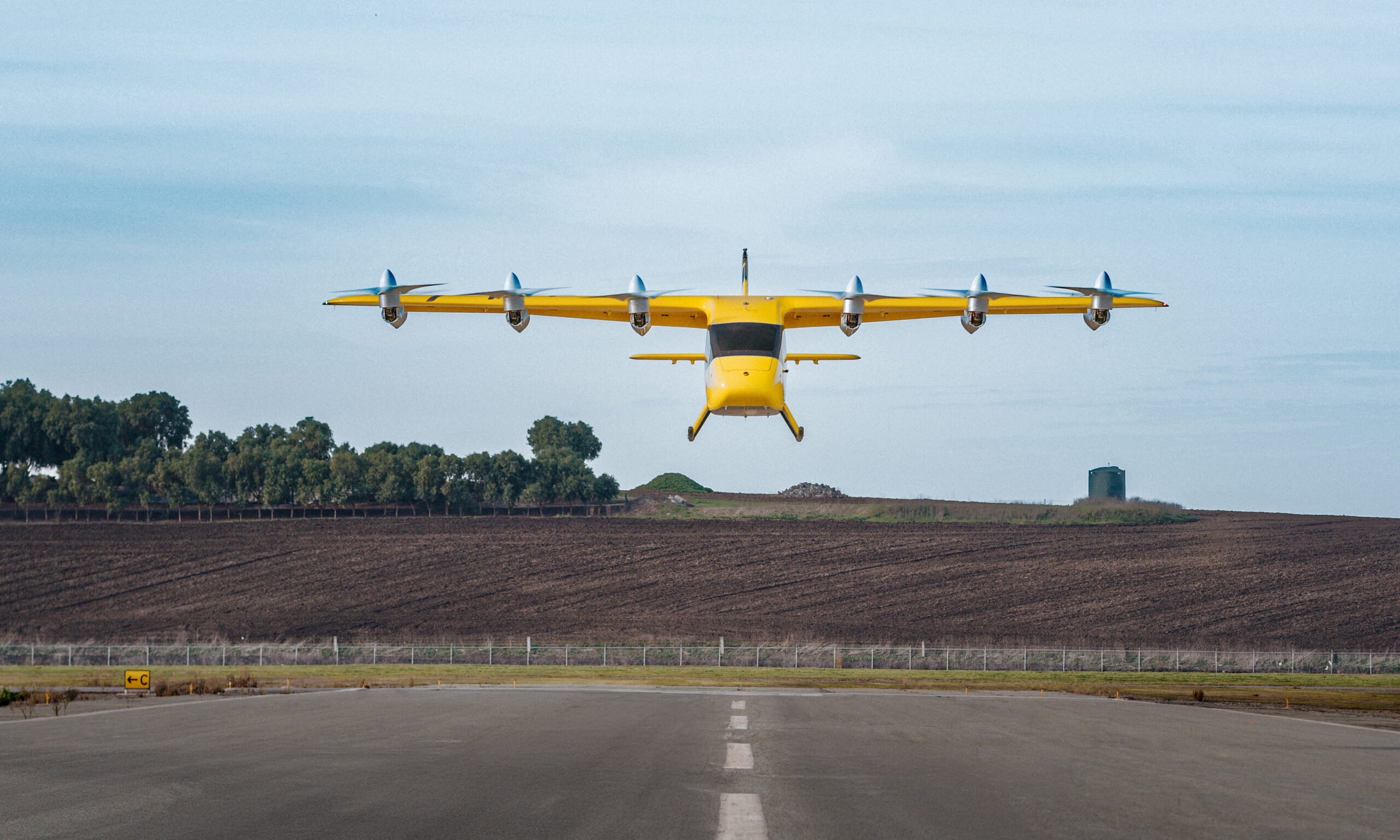
San Francisco might seem like an obvious early market for the emerging class of electric air taxis, just as it was in 2010 when Uber chose to launch its ride-share service there. The densely populated region is home to many tech companies, including air taxi developers Archer Aviation, Joby Aviation and Boeing subsidiary Wisk.
But there is at least one major hurdle: potential flight restrictions due to the marine layer fog that frequently envelops parts of the city, particularly in summer. The fog already limits operations at San Francisco International Airport dozens of days throughout the year.
Such weather is among the factors that Boeing-owned Wisk aimed to capture with its “flyability matrix,” said Aman Tripathi, Wisk’s lead for product management and commercialization. He’s overseeing the company’s effort to set requirements for its Gen 6 aircraft for passenger convenience and comfort along with operational efficiency.
The matrix was designed to generate flyability scores to help Wisk determine how operations in any given city would need to be adjusted at different times of the year. The scores for each city would be calculated with a formula meant to determine the number of flight hours expected to be lost in a given season or day.
No matter the location, weather will be a major factor in the scope of operations, Tripathi said. Storms and other severe weather events pose dangers for today’s aircraft, and a range of less-severe conditions can affect the efficiency or cost of operations. The emerging class of electric air taxis is expected to be even more susceptible to local weather disruptions, partly because they will be flying at lower altitudes than passenger airliners.
“We need to provide high availability of the aircraft and low flight cancellation rates to show how the aircraft can fly over a wide swath of weather requirements” while maintaining safety, speed and useful battery life, Tripathi told me. “This flyability matrix takes into account, for any given city, things like thunderstorms, gusts, temperature, icing, rain, visibility, density and altitude.”
A city like San Francisco, for instance, may have a high flyability score during the winter — perhaps 90% — but that could drop during the foggy summer months to a point where operations would no longer be feasible, he said. However, Wisk envisions being able to fly in fog sometimes because the pilotless Gen 6 are to be heavily instrumented to avoid hazards while flying autonomously.
Due to that instrumentation and “in-house precision navigation systems, we can better fly through fog and low visibility,” Tripathi said, referring to ground infrastructure that includes GPS signal enhancement for precision landings and high-fidelity weather data from Wisk subsidiary SkyGrid.
The flyability matrix would help guide Wisk’s business model for each market and “allows us to quantify weather impact very, very precisely, using data going back decades,” he said.
While other air taxi developers haven’t offered details about how weather would affect operations on a city-by-city basis, Joby has expressed confidence that its piloted S4 aircraft will not have issues during hot days in the United Arab Emirates, the company’s chosen launch market. An S4 has completed flights near Dubai when the temperature was as high as 43 degrees Celsius (110 Fahrenheit), while Joby tested battery and motor function.
Wisk is unique among air taxi developers in that it plans to have no pilots on board, relying only on autonomous software and remote vehicle supervisors who monitor flights and can intervene in emergencies. The Silicon Valley-based company is one of nine companies participating in the U.S. Department of Transportation’s eIPP initiative, short for eVTOL Integration Pilot Program, starting this summer. It will test operations and airspace management in the Dallas area, but has no plans to fly passengers anytime soon, Tripathi said.
Based on the matrix score, Wisk may decide to only fly at certain times, he said. Take Texas, for example. Dallas happens to have many days of good weather in a prairie landscape with rolling hills, but is prone to storms in the warmer months that could create frequent flight interruptions, he said. Miami, on the other hand, typically has good weather in the morning all year round, but has frequent afternoon thunderstorms that could curtail PM hours of operation.
For locations with extreme weather, such as desert environments where sand can interfere with aircraft, Wisk anticipates “weatherizing aircraft against sand and dust intrusion,” Tripathi said.
Storms and low visibility are the most obvious weather concerns, but rotorcraft like these electric air taxis will be highly susceptible to high temperatures, especially in higher elevations, which often mean thinner air, said Don Berchoff, founder and CEO of TruWeather Solutions, a Virginia aviation weather prediction company.
“Sure, it’s sunny out, but you can only carry two people because the air is hot and thin,” Berchoff told me. “That could ruin a business model in some cases.”
Berchoff’s company is developing better methods of low-altitude weather prediction, using such technology as Doppler-lidar and other weather-sensing equipment to generate 3D models of local winds. He’s also researched how simple optical cameras positioned around vertiports could detect fog or low visibility, and how drones could fly around to detect sudden extreme wind gusts for larger incoming aircraft.
“Predictability is the biggest challenge for this kind of advanced air mobility,” Berchoff said. “You don’t want people showing up at a vertiport for eVTOL commutes and then be telling them they can’t fly. They won’t come back.”