
New bill would provide funding for U.S. air traffic controllers during shutdowns


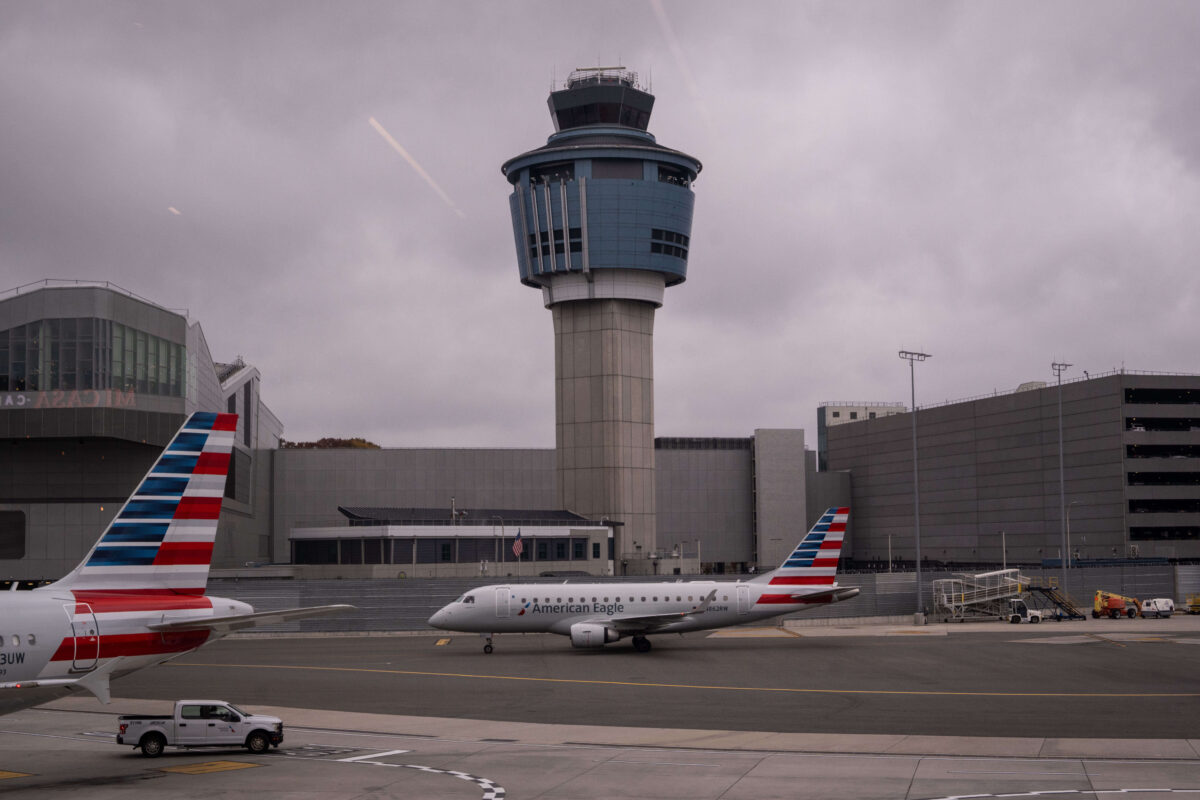
WASHINGTON, D.C. — Several lawmakers who sit on the House Transportation and Infrastructure Committee have proposed a bill that would ensure air traffic controllers are paid during future government shutdowns.
The shutdown that ended Nov. 12 lasted 43 days, the longest in U.S. history. During this and previous shutdowns, air traffic controllers were required to work without pay.
The bipartisan legislation, which if passed would become the Aviation Funding Insolvency Act, would make available to FAA, in the event of a shutdown, funds from the Aviation Insurance Revolving Fund. This little-used insurance fund, established after the 9/11 terrorist attacks, has $2.6 billion in its coffers that are meant to cover airline expenses for aircraft commandeered during wartime or military operations.
The FAA administrator would “prioritize continuing the payment of compensation for employees of the Air Traffic Organization” with those funds during a shutdown, according to the bill.
“All that money just sits there,” U.S. Rep. Troy Nehls (R-Tex.) told reporters after speaking at a panel at today’s Honeywell American Aviation Leadership Summit.
Others sponsoring the bill are Transportation Committee chair Rep. Sam Graves (R-Mo.), ranking member Rep. Rick Larsen (D-Wash.) and Rep. André Carson (D-Ind.).
According to a news release from the committee, the legislation would keep the “aviation system running safely for the traveling public, while ensuring the Revolving Fund has a healthy balance to address potential claims.” The text of the bill says it would ensure the fund doesn’t dip below $1 billion.
In the final week of the shutdown, FAA restricted flights from 40 airports across the country — amounting to a 6% reduction — and planned a further cut of 10% due to controller absences. FAA Administrator Bryan Bedford told reporters at the Honeywell event the bill would ensure shutdowns don’t “hold the American public hostage.”
During an earlier session at the event, Transportation Secretary Sean Duffy said he’s focused on upgrading air traffic control technology, which he compared to Windows 95. The current equipment, rooted in copper wiring and analog signals, should be upgraded to fiber optics and digital communications, he said.
Duffy told the audience that hiring a primary contractor to oversee the technology overhaul is “weeks away,” starting with a three-year period to revamp hardware.
“We’re not going to break the NAS [National Airspace System] in the process, but we are going to move at a different speed, the speed of Trump,” Duffy said in his remarks, referencing President Donald Trump.
The overhaul is part of FAA’s ongoing modernization program, which received $12.5 billion in funding as part of the sprawling tax-and-spending legislation passed in July. The estimated total cost is $31.5 billion.
Regarding the selection of the prime contractor, Duffy said, “we’re at the final stages of that. I want the president to be involved in that selection.”
Nehls said the fact that FAA is still working with such antiquated technology is “shameful.”
“Shame on us for not having this resolved 10 years ago. Maybe the Potomac accident would never, should have never happened,” he said, referencing the fatal midair collision in January of a regional passenger jet and U.S. Army Black Hawk helicopter at Ronald Reagan Washington National Airport outside Washington, D.C.