

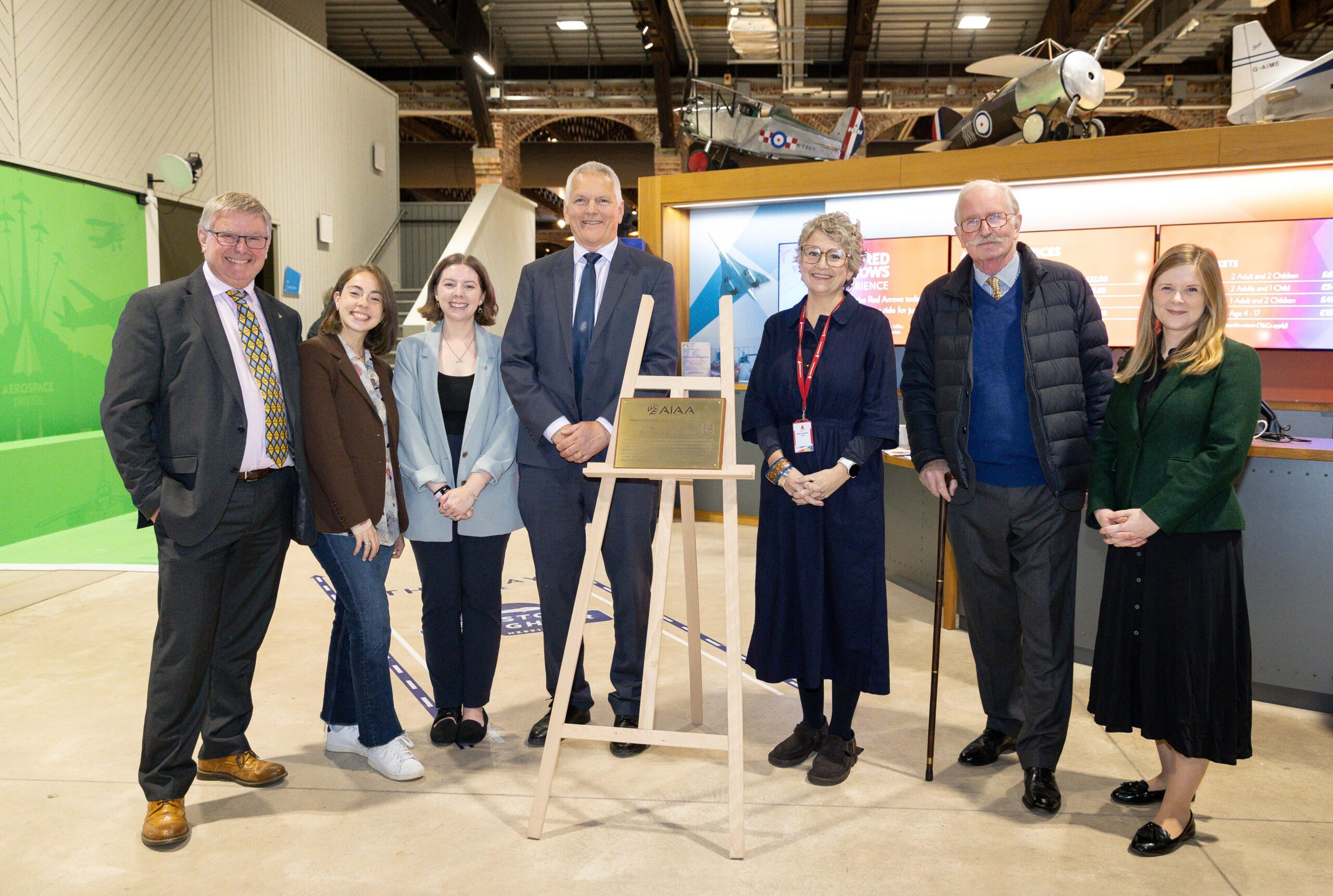
AIAA has designated the Filton Site and Airfield near Bristol, United Kingdom, as an official Historic Aerospace Site, recognizing more than a century of contributions to aircraft design, manufacturing, and testing. The dedication ceremony took place at Aerospace Bristol on 22 October, celebrating Filton’s enduring influence on British and global aviation.
The designation places Filton among a select group of locations recognized through AIAA’s Historic Aerospace Sites program. The initiative honors places associated with significant aerospace achievements, programs, and individuals, helping preserve the industry’s heritage through commemorative plaques, dedication ceremonies, and historical documentation.
For more than 100 years, Filton has played an outsized role in shaping aviation history. The site’s aerospace legacy began with the establishment of the Bristol Aeroplane Company in 1910 and continued through generations of pioneering aircraft development. Filton became synonymous with engineering excellence, producing military and civil aircraft that helped define eras of aviation and contributing innovations that extended far beyond the United Kingdom.
Filton is perhaps best known for its role in the Concorde program, serving as a major center for the design, manufacture, and testing of the supersonic airliner. Today, that legacy is preserved at Aerospace Bristol, where Concorde Alpha Foxtrot, the last Concorde constructed and the last to fly, remains a centerpiece exhibit.
Approximately 75 people attended the dedication at Aerospace Bristol Museum, including students, former Concorde employees, and representatives of local aerospace company employees. Before the ceremony, AIAA’s Lindsay Mitchell, Director, Regions & Sections, and Martina Bruno, Senior Manager, Europe and Middle East, received a private tour of the museum by Sir Iain Grey, the chairman of Aerospace Bristol.
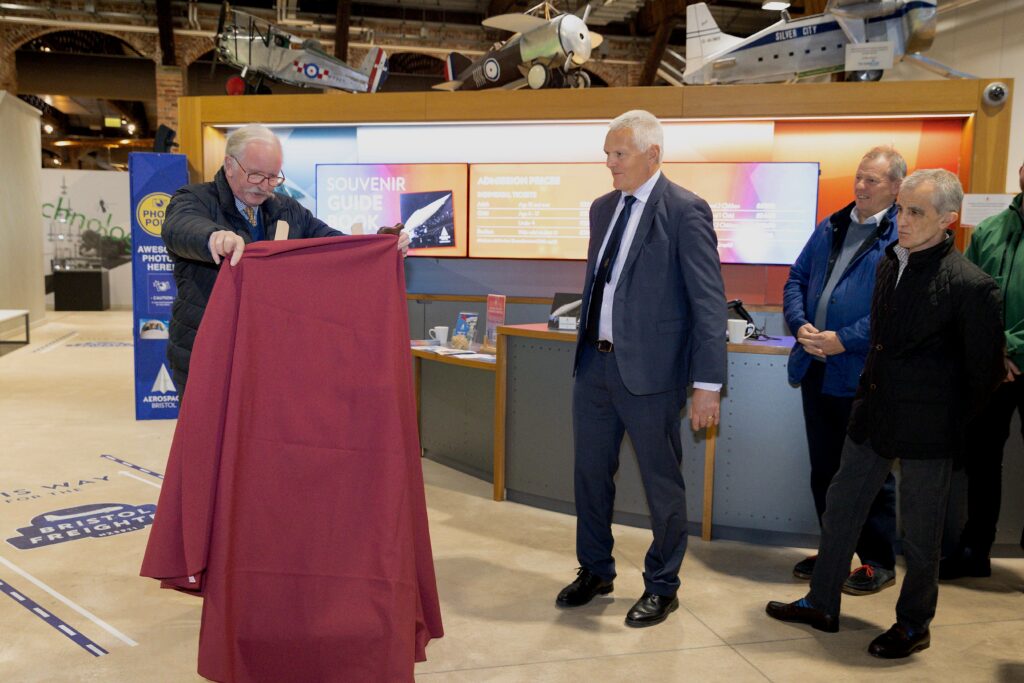
Jonathan Cooper, chair of the AIAA UK Section and Airbus Sir George White Chair in Aerospace Engineering at University of Bristol, opened the ceremony. Mitchell then spoke briefly about AIAA’s Historic Aerospace Sites program before Sir George White, great grandson of Sir George White who founded the Filton site, unveiled the bronze plaque.
Filton’s designation underscores the importance of preserving the places where aerospace advances have taken shape. By recognizing sites with lasting historical significance, AIAA’s Historic helps ensure that the achievements of earlier generations remain visible and accessible to future engineers, researchers, and enthusiasts.
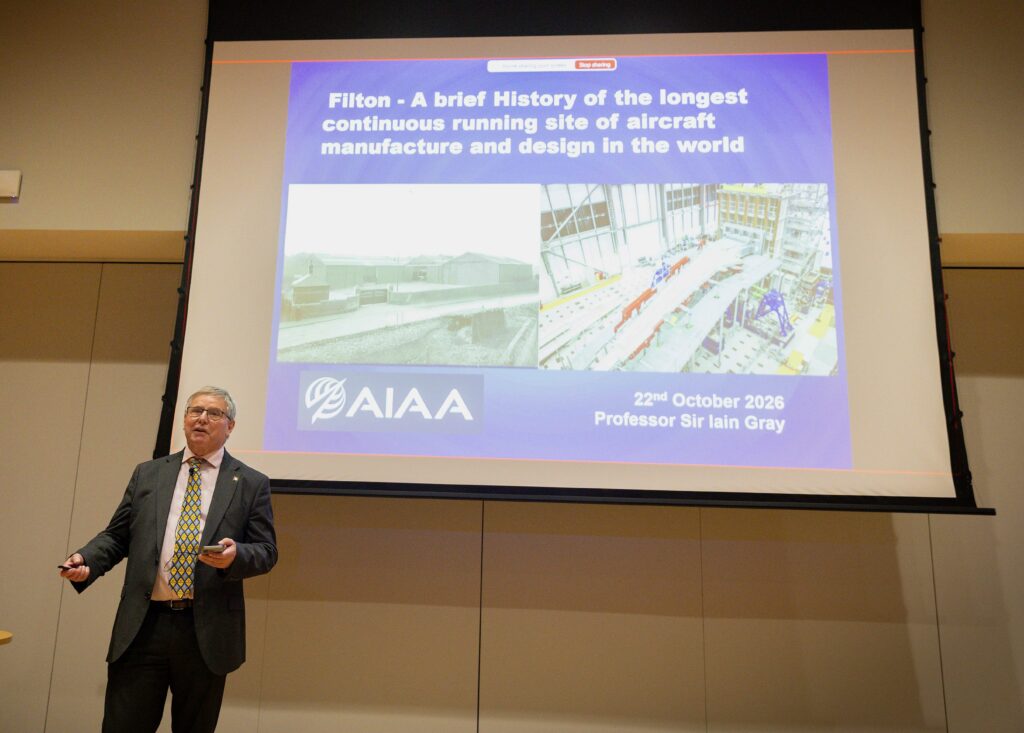
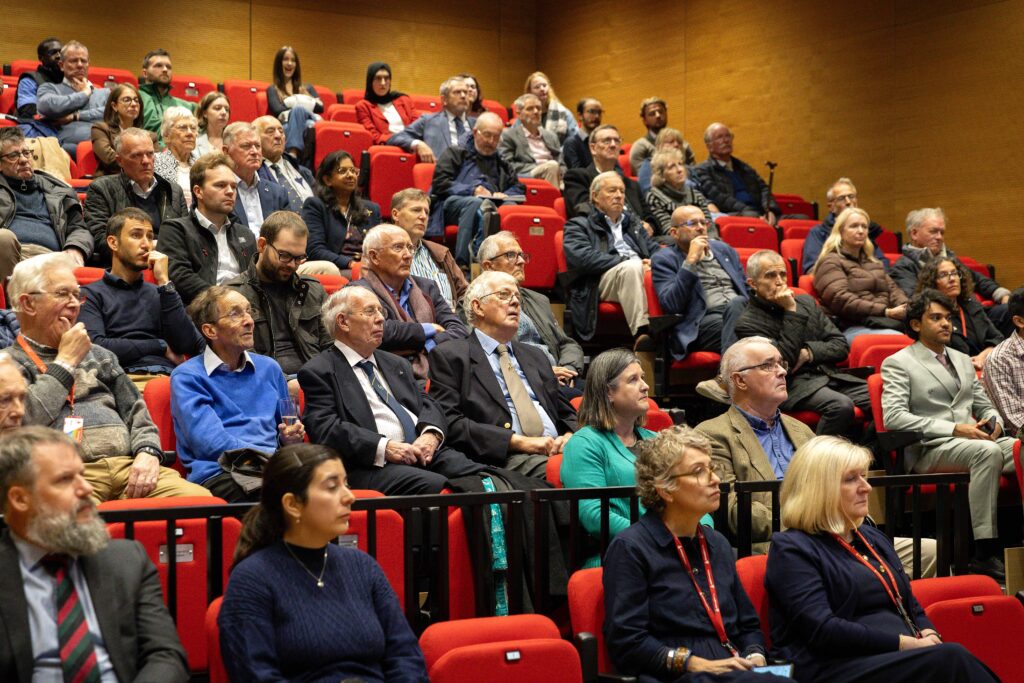
Following the dedication, attendees enjoyed some champagne in the Concorde hangar and Sir Iain Gray gave a talk that explored the site’s history and its enduring impact on the global aerospace industry. Guests also had an opportunity to network and explore the Concorde on display.
Filton joins a growing list of internationally significant sites recognized by AIAA, including Mia Mia, Australia, where the first Australian-designed and home-built powered aircraft flew, and Hammondsport, New York, closely associated with aviation pioneer Glenn Curtiss and early American flight development.
AIAA thanks Jonathan Cooper for organizing the event and Aerospace Bristol for hosting the event in partnership with the Royal Aeronautical Society. AIAA also recognizes the AIAA History Committee for its work in preserving and honoring the rich history of aerospace through the Historic Aerospace Site program.