
New entrants drive change in general aviation
 By Cat Hofacker
 By Cat Hofacker
In June, FAA released its “Air Traffic by the Numbers” annual report of air traffic operations. There were 28.6 million general aviation flight hours reported for calendar year 2023 (the most recent year for which data is available), a slight increase from the 26.9 million hours recorded in CY2022. The number of active pilot certificates increased to 848,770 in 2024 from 806,939 from 2023, and remote/drone pilot certificates increased 427,598 in 2024 from 368,633 in 2023. The active general aviation (GA) fleet was estimated to be 214,222 aircraft in 2023 (2.2% higher than 2022). There were 5,146 public use airports and 14,336 private use airports recorded across the country.
In February, the General Aviation Manufacturers Association released a report prepared by PricewaterhouseCoopers, “Contribution of General Aviation to the U.S. Economy in 2023.” It found that GA contributed $339.2 billion to the U.S. economy in 2023 and supported 1.3 million jobs nationwide.
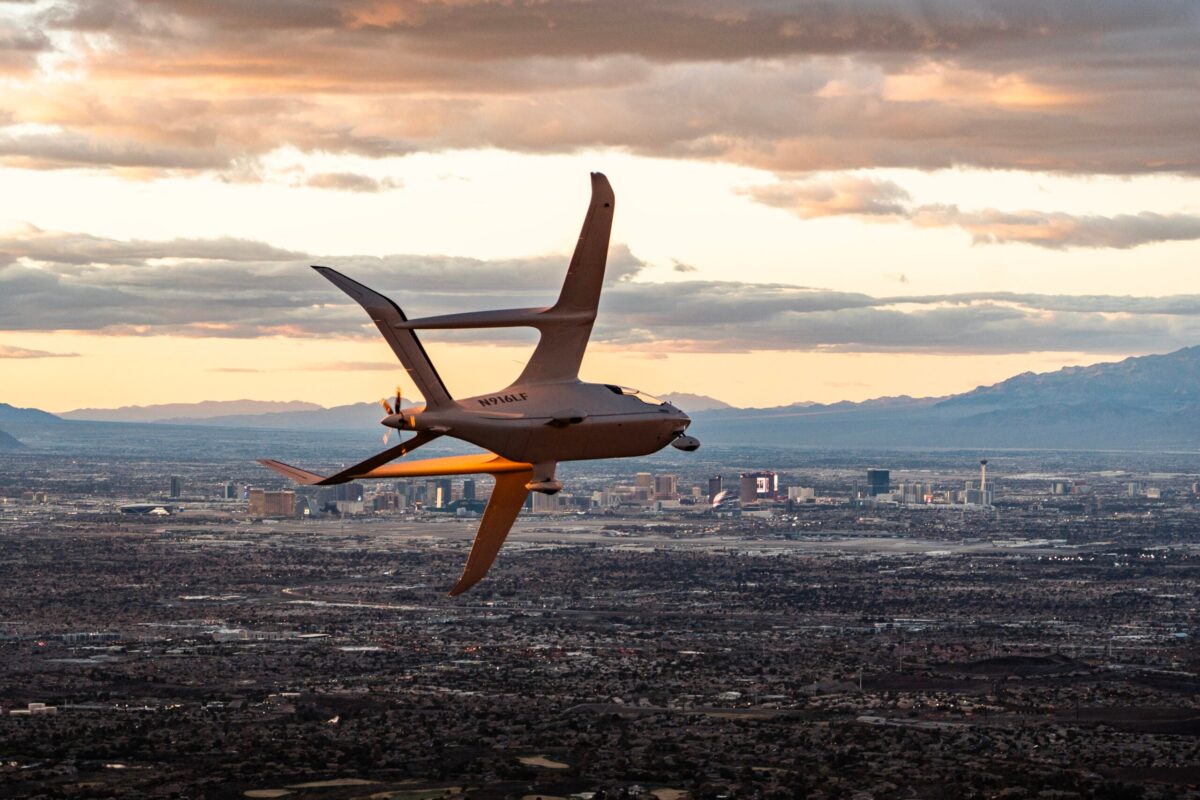
In April, BETA Technologies of Vermont completed a coast-to-coast journey with its conventional takeoff and landing all-electric aircraft, covering over 8,000 nautical miles across 25 states. The flights represented a major milestone in demonstrating the real-world capabilities of electric aircraft and the strength of expanding charging infrastructure.
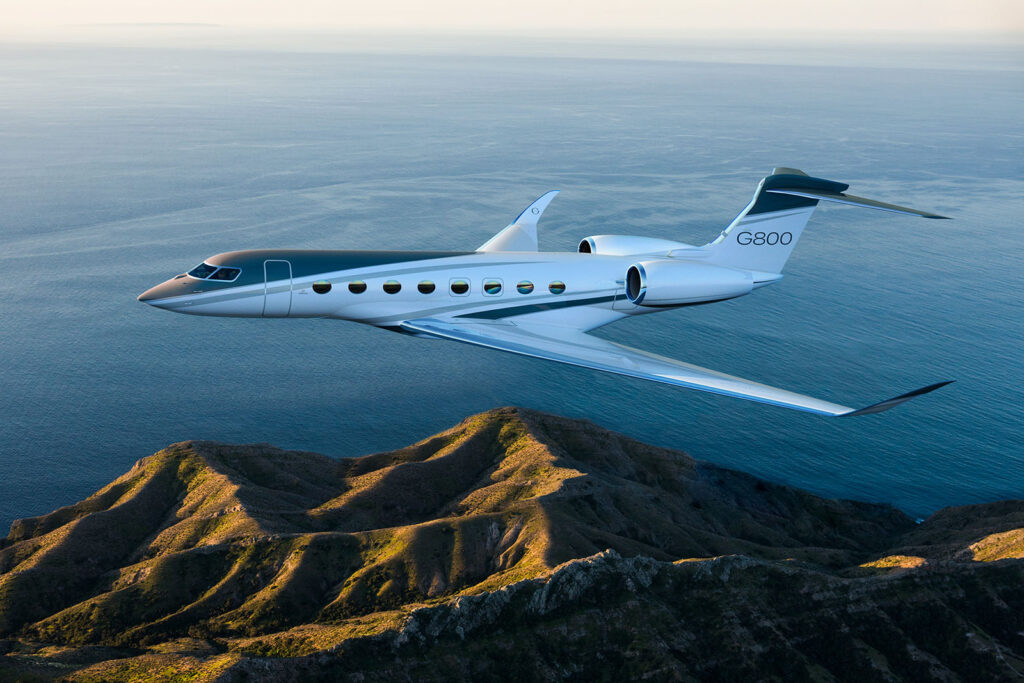
In August, Gulfstream Aerospace delivered its first G800, after receiving FAA and European Union Aviation Safety Agency certifications in April.
In January, Pipistrel, a subsidiary of Textron Inc. announced the first hover flight of the Nuuva V300, its hybrid-electric vertical takeoff and landing uncrewed aircraft. This achievement advanced sustainable and versatile uncrewed aerial designs.
In May, Joby Aviation of California announced it has flown two of its electric air taxi prototypes simultaneously for the first time, a significant step in its flight testing. The dual flight, conducted in Marina, California, highlights Joby’s test program progress and follows the April 2025 milestone of completing piloted flights with full vertical-to-cruise transitions.
Electra of Virginia showcased major advancements in May that highlighted the capabilities of the EL9, its planned production hybrid-electric aircraft. MIT wind tunnel tests verified that the EL9’s blown lift wing enables takeoff and landing in just 46 meters — equivalent to 10% of the runway required by comparable aircraft — confirming the technology is suitable for safe operations in compact environments.
In July, the FAA finalized the Modernization of Special Airworthiness Certification (MOSAIC) rule, a move that expands recreational aviation by enhancing safety and the types of aircraft sport pilots can operate. The final rule introduces significant changes to the light-sport aircraft category and sport pilot privileges, offering a safer alternative to experimental amateur-built aircraft by eliminating the weight limit, enabling greater incorporation of advanced safety features and flexible design options. It also includes aircraft capable of higher speeds, additional seating capacity and retractable landing gear, while permitting new propulsion systems and contemporary avionics technologies.
Additionally, the rule authorizes aerial work — including infrastructure and forest inspections, photography and filming, and agricultural surveillance — with light-sport aircraft and expands flying privileges for pilots operating under sport pilot certification to include a wider array of aircraft types.
In August, FAA proposed performance-based regulations for uncrewed aircraft systems (UAS) to operate at low altitudes beyond visual line of sight, including third-party services like UAS Traffic Management. Directed by the FAA Reauthorization Act of 2024, this rule aims to integrate UAS into the national airspace system and establish a clear framework for safe, routine operations such as package delivery, agriculture, surveying, recreation and flight testing.
Contributor: Matthew McCrink
Opener image: BETA Technologies’ N916LF aircraft flies over Las Vegas as part of a cross-country demonstration flight that concluded in April 2025. Credit: BETA Technologies