

The question in the aviation industry is no longer whether electric propulsion will redefine flight, but how and when. What is arguably the most profound transformation since the jet age began – the transition toward electrification – takes center stage at AIAA AVIATION Forum in San Diego. Three full days of the forum will feature the Electric Propulsion and Advanced Technologies Symposium (EPATS) to dissect the runway map from concept to certification.
No longer theoretical, electrification is a revolution in aviation and it’s already under way. “It’s happening right now,” said Gaudy Bezos-O’Connor, Electrified Powertrain Flight Demonstration project manager for NASA and a core member of the EPATS 2026 organizing team.
For industry professionals, the symposium is a cornucopia of how-tos: For example, how to bridge the gap between cutting-edge battery technology and certified, market-ready aircraft; how to navigate the complex regulatory landscape; and how to solve the thermal management challenges of megawatt-class powertrains. These are just some of the questions that will be addressed through an array of panels, presentations, and technical papers across the aviation spectrum. Whether you represent an established leader in electrification or a startup, EPATS offers essential sessions tailored to every stage of the journey.
Just as important, networking will be a centerpiece. EPATS is the global nexus for aerospace engineers, system architects, and propulsion specialists ready to lead the electrification revolution. This critical event will articulate the industry’s most pressing challenges, propose solutions, and create actionable engineering flight maps for the future of electrified and hybrid aircraft.
As the industry accelerates, it faces a complex web of technical, regulatory, and economic hurdles that EPATS aims to untangle. The narrative is often oversimplified as solely the race to a better battery, but the true revolution lies in the integration of disparate systems and getting them certified, organizers say.
“There are some significant challenges out there, but the community is working hard to overcome them,” said Vincent Schultz, president of Revotionary Aero, former lead of the Regulations and Standards team in the NASA Electric Powertrain Flight Demonstrator Project, and Chair of the 2026 EPATS Symposium.
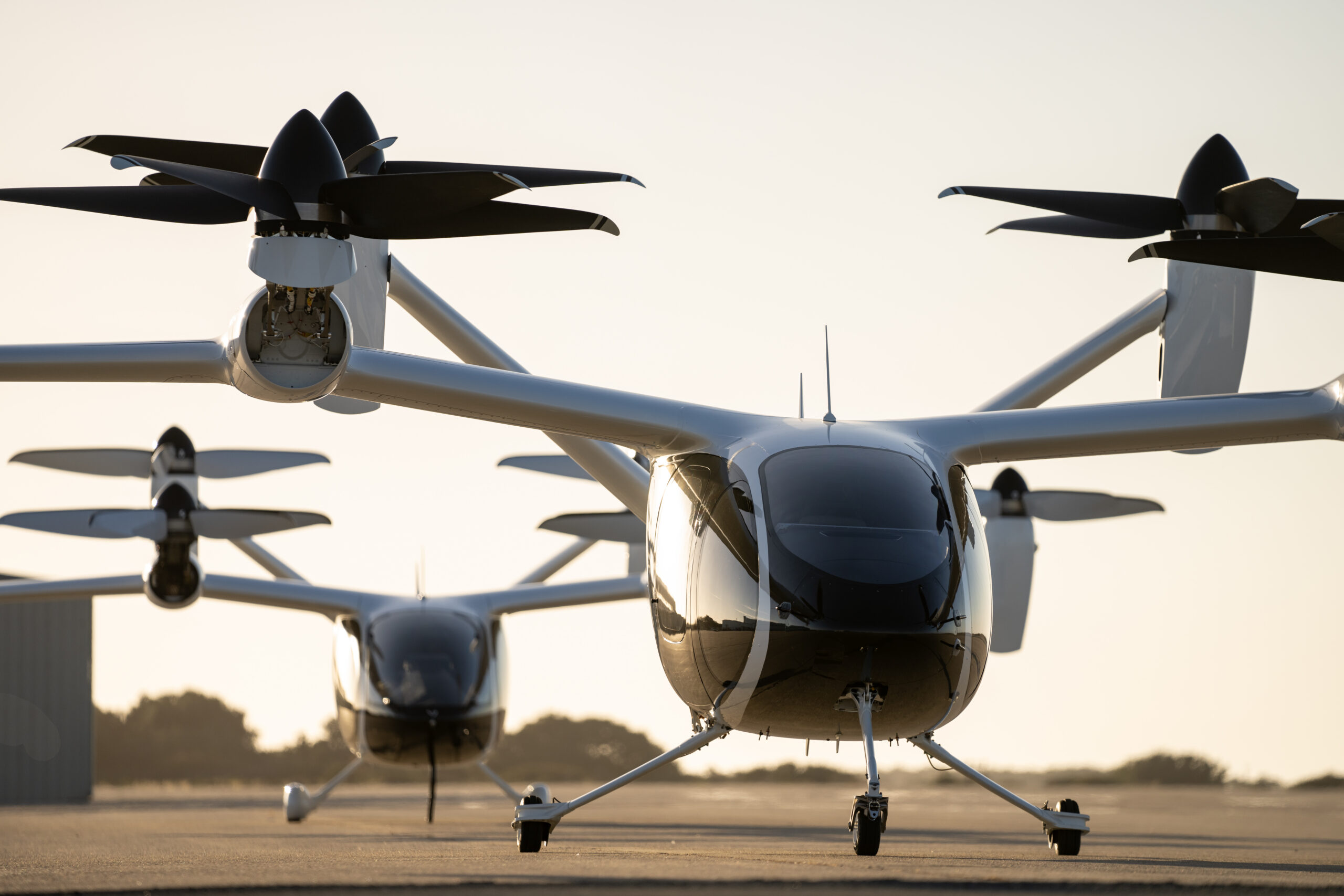
“We are breaking the mechanical link between power generation and propulsion,” explained Jim Sherman, AIAA Senior Director, Aeronautics, who described how electric engines liberate aircraft designers from the constraints of traditional gas turbine placement. This decoupling allows for distributed electric propulsion architectures, where multiple motors can be strategically placed to optimize aerodynamic efficiency and control.
One of the featured speakers, JP Stewart, senior vice president of Product Development at Electra.aero, noted, “The electric era will not be defined by batteries or motors alone. It will be defined by the market forces, the modeling that shapes decisions, and the realities of building and flying hardware.”
Perhaps the most significant barrier to widespread adoption is not the technology itself, but the regulatory framework. For decades, turbine engine certification relied on a government-underwritten history of development. Electrification, driven largely by private investment, lacks this precedent.
“We are building these frameworks, but it only goes so far; you’ve got to have data that can be used for certification,” added Herb Schlickenmaier, president of HS Advanced Concepts and a core member of the EPATS 2026 organizing team. The industry is working with organizations like ASTM, ASME, and RTCA to establish new means of compliance. EPATS will bring together regulators, developers, and standards bodies to define what is “minimally acceptable” for high-voltage systems, fault protection, and thermal management.
“Four major categories that need to be addressed are the electric engines themselves, the machines, the energy storage systems, and what aircraft integration looks like” said Bezos-O’Connor. The aviation community is working with ASTM and SAE International to develop standards that address these four major areas, and EPATS actively discusses the needs and progress of this work. This is not just for eVTOL or light training planes. “The community is actually trying to electrify their platforms across all sizes of aircraft, from general aviation to regional to single aisle.”
The scope of EPATS reflects the global nature of the transition, with sessions covering everything from superconducting cryogenic systems to the economics of urban air mobility. The symposium addresses the full gamut of electrification, whether it is the 20-minute flight times of current training aircraft or the ambitious goals of regional hybrid-electric transport, the industry is moving ahead … quietly and efficiently.
The focus now is on turning the promise of electric flight into reality, organizers say. From the technical deep dives on power electronics to the strategic discussions on market entry, EPATS offers a comprehensive look at a technology that will not only define the future of aviation but build it as well.
Register for the AIAA AVIATION Forum, 8–12 June, San Diego, now. All EPATS sessions are included in full forum registration. Visit the EPATS landing page to explore the full program. View the full AIAA AVIATION Forum program here.