As other air taxi builders pause, Eve prepares for 2026 prototype flights


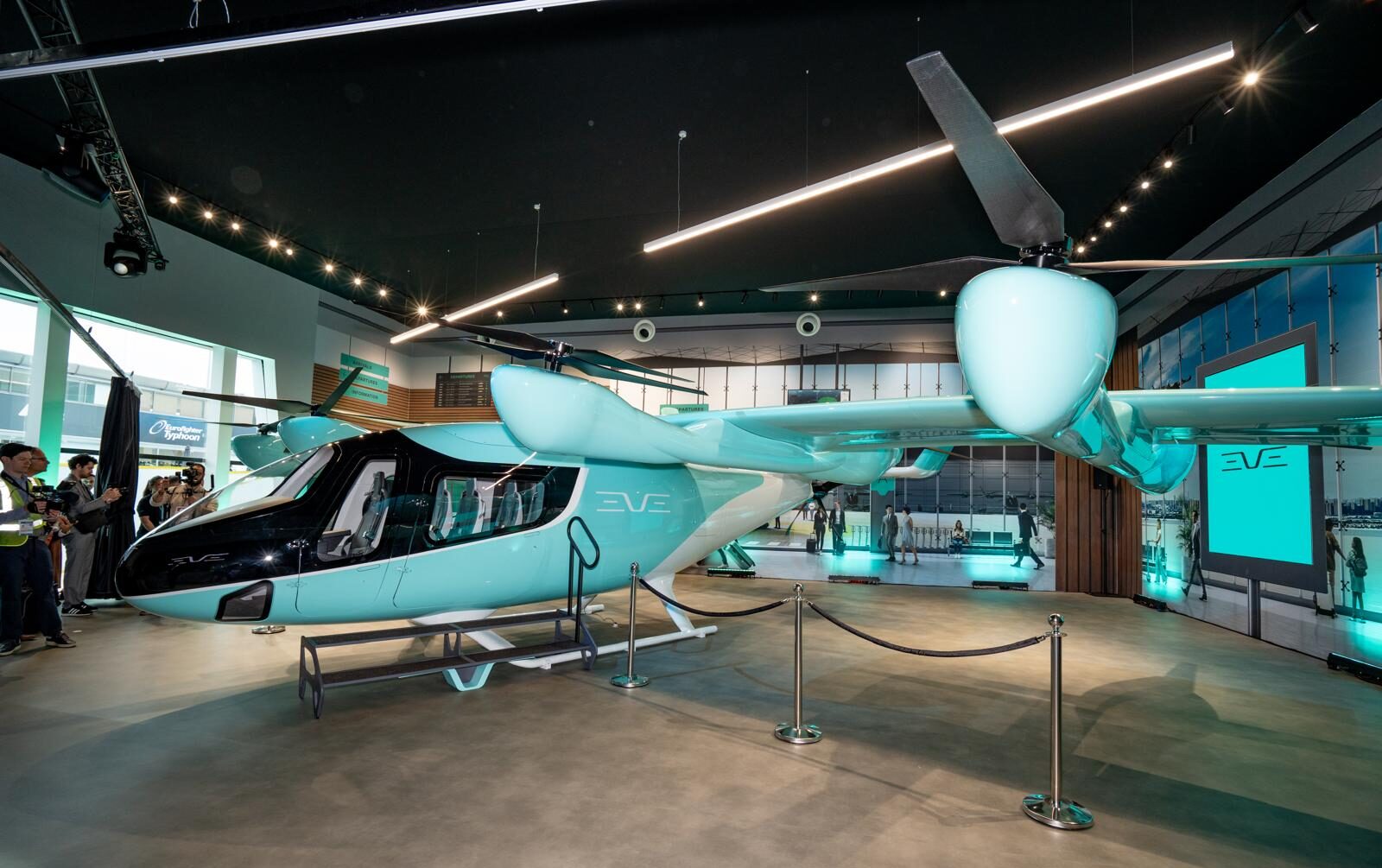
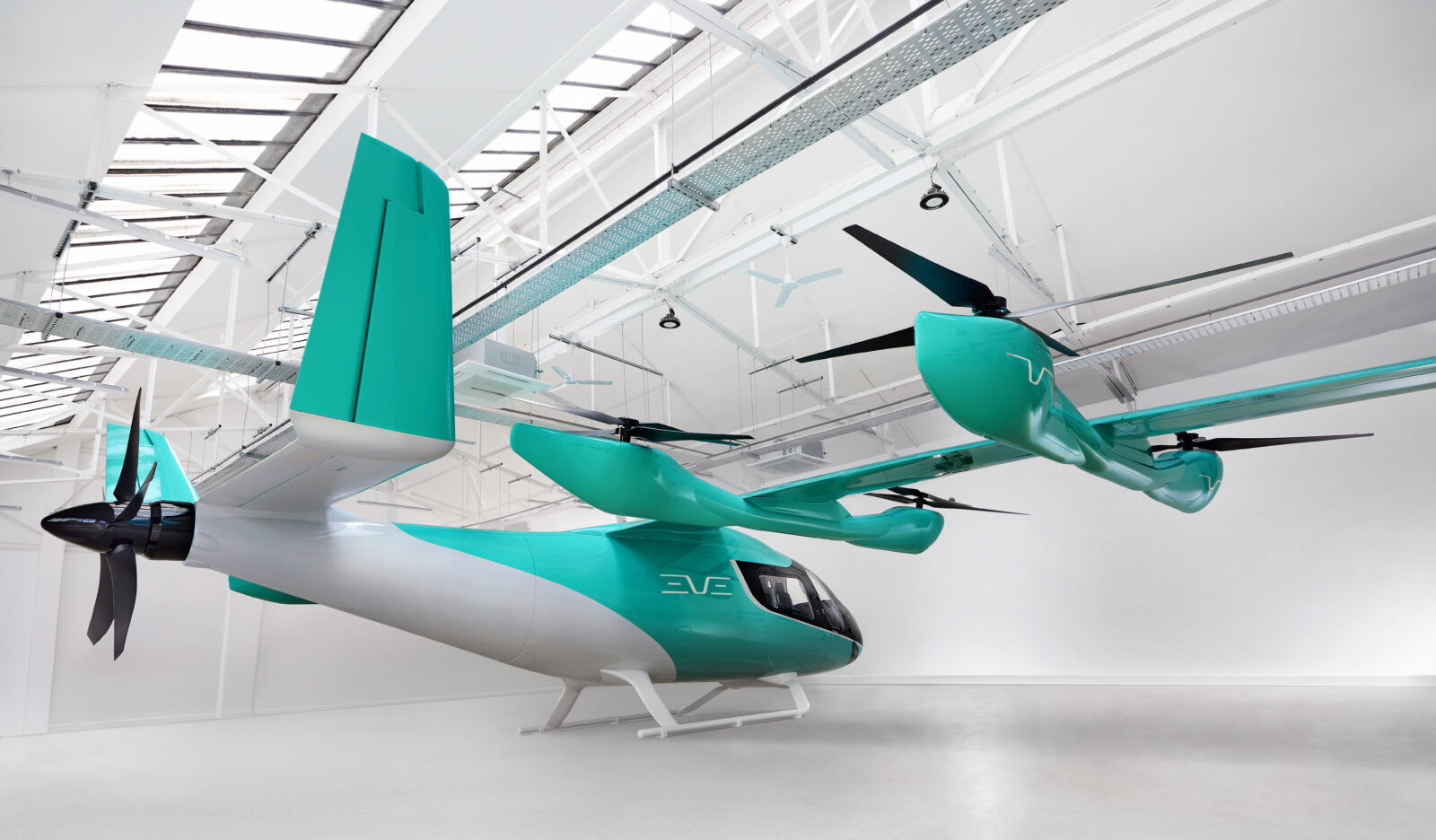
Embraer-funded Eve Air Mobility is advancing toward flight testing a full-sized prototype of its electric air taxi by early 2026, a move that would set the company on a very different trajectory than other corporate-backed ventures.
Indeed, Textron, Hyundai and Airbus this year all announced they would pause air taxi development.
Eve was spun out of Embraer, the world’s third largest aircraft manufacturer for the private sector, in 2020 and became publicly traded in 2022. Embraer is still by far the majority owner of Eve’s publicly traded stock, by about 70%, and that ownership includes a close working relationship, Megha Bhatia, Eve’s chief commercial officer, told me in an interview.
“Eve is a fairly lean company, but we leverage our relationship with Embraer. For example, Eve has over 800 engineers that are contracted from Embraer that are currently working on the aircraft program development,” Bhatia said. “As we expand, we can leverage the service centers Embraer has around the world that will also be available to Eve customers from day one.”
She said Embraer technology, like its fly-by-wire flight control avionics, will also be in the first prototype, also known as Eve.
For more about advanced air mobility, receive the True Mobility newsletter in your inbox.
Bhatia touted the experience Embraer engineers have in building and certifying new aircraft designs. Eve, like Embraer, works primarily with the National Civil Aviation Agency of Brazil (ANAC), but has agreements to concurrently certify the Eve with FAA and the European Union Aviation Safety Agency.
“We recently raised $230 million in new funding, and we continue to have the largest customer order backlog in the industry,” she said, with letters of intent for 2,800 aircraft, representing a potential $14 billion in revenue.
Eve is focused entirely on urban air mobility, or relatively short hop flights in cities between airports and downtowns, and other points. The company hopes for certification by late 2027.
“We absolutely believe there is a demand there for the so-called ‘last-mile mission,’ and we are entirely focused on this particular eVTOL, with five seats and a simple, lift-plus-cruise propulsion configuration,” Bhatia said. “We don’t need to be first to market, and we want to get this product out before we focus on any alternatives, like hybrid variants.”
Increased public exposure is also part of the plan. To that end, the company intends to move a full-scale Eve mockup from Brazil to its offices in Melbourne, Florida, in November. That office is on the Embraer campus.
Meanwhile, Eve has also built a network of suppliers. The company intends to use Vermont-based BETA Technologies’ charging network at dozens of airports and also is testing BETA-made lift propeller motors for potential use in its aircraft.
For additional infrastructure, including vertiports, Eve has signed partnership agreements with FBO operators Signature Aviation and Atlantic Aviation, both of which are developing vertiport plans and locations.
“We’re going to be focused on building excellent, safe, sustainable eVTOL aircraft, and we want them to provide the infrastructure, but we can influence their vertiport planning,” Bhatia said.