



Spotlight on Space Nuclear
Aerospace America Feature+
Over the past seven decades, a variety of U.S. space nuclear power and propulsion initiatives have failed to reach orbit. NASA is betting the combination of matured technology and regulatory changes will enable success this time around. Jon Kelvey tells the story.
By Jon Kelvey [email protected]
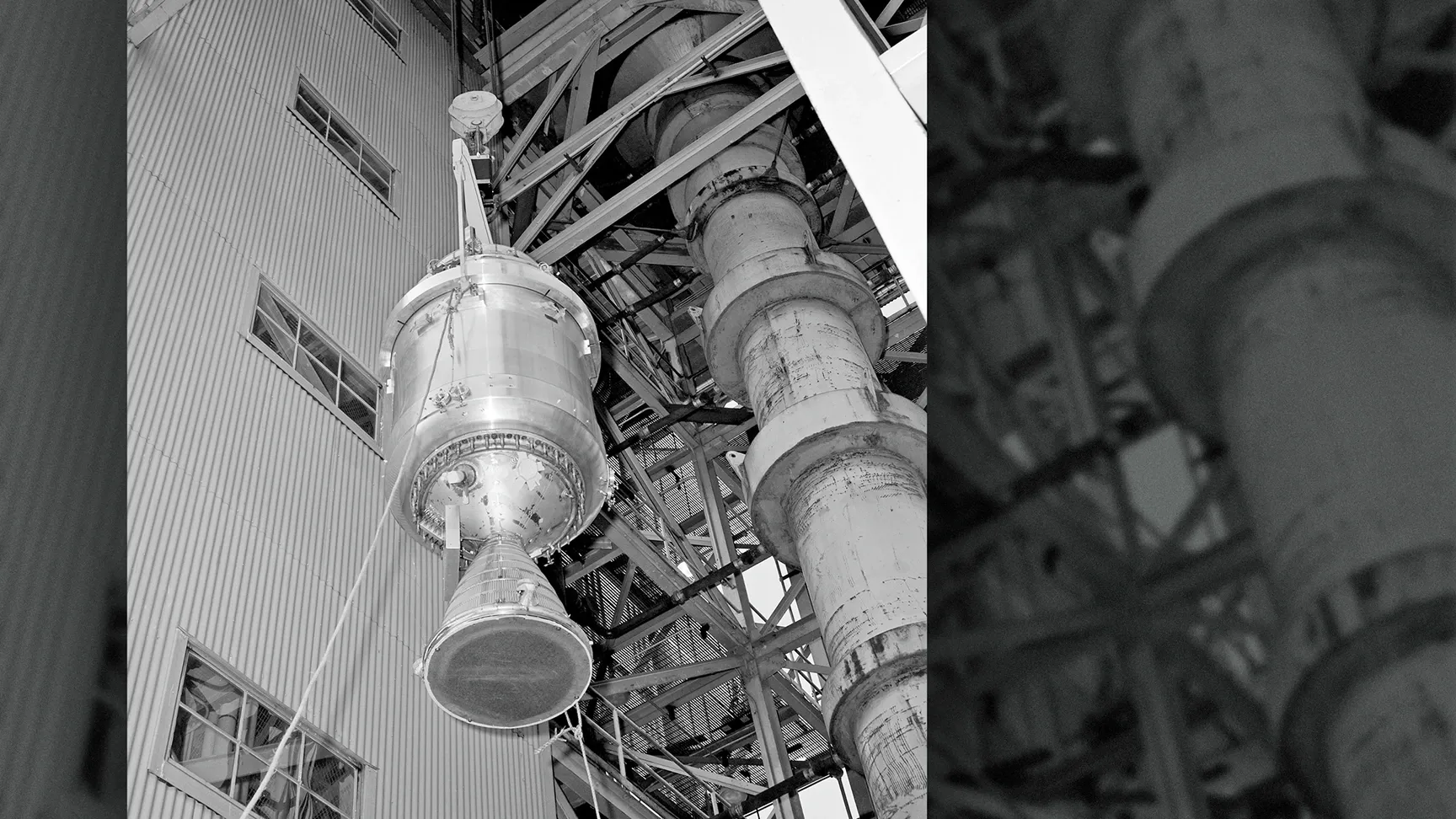
Rover/NERVA
Starting in 1959, NASA and the Atomic Energy Commission ground-tested multiple variants of nuclear-thermal reactors under Project Rover. Plans called for building a flight version for a related program called NERVA, or Nuclear Engine for Rocket Vehicle Application. The effort was canceled in 1973, and an engine was never flown.
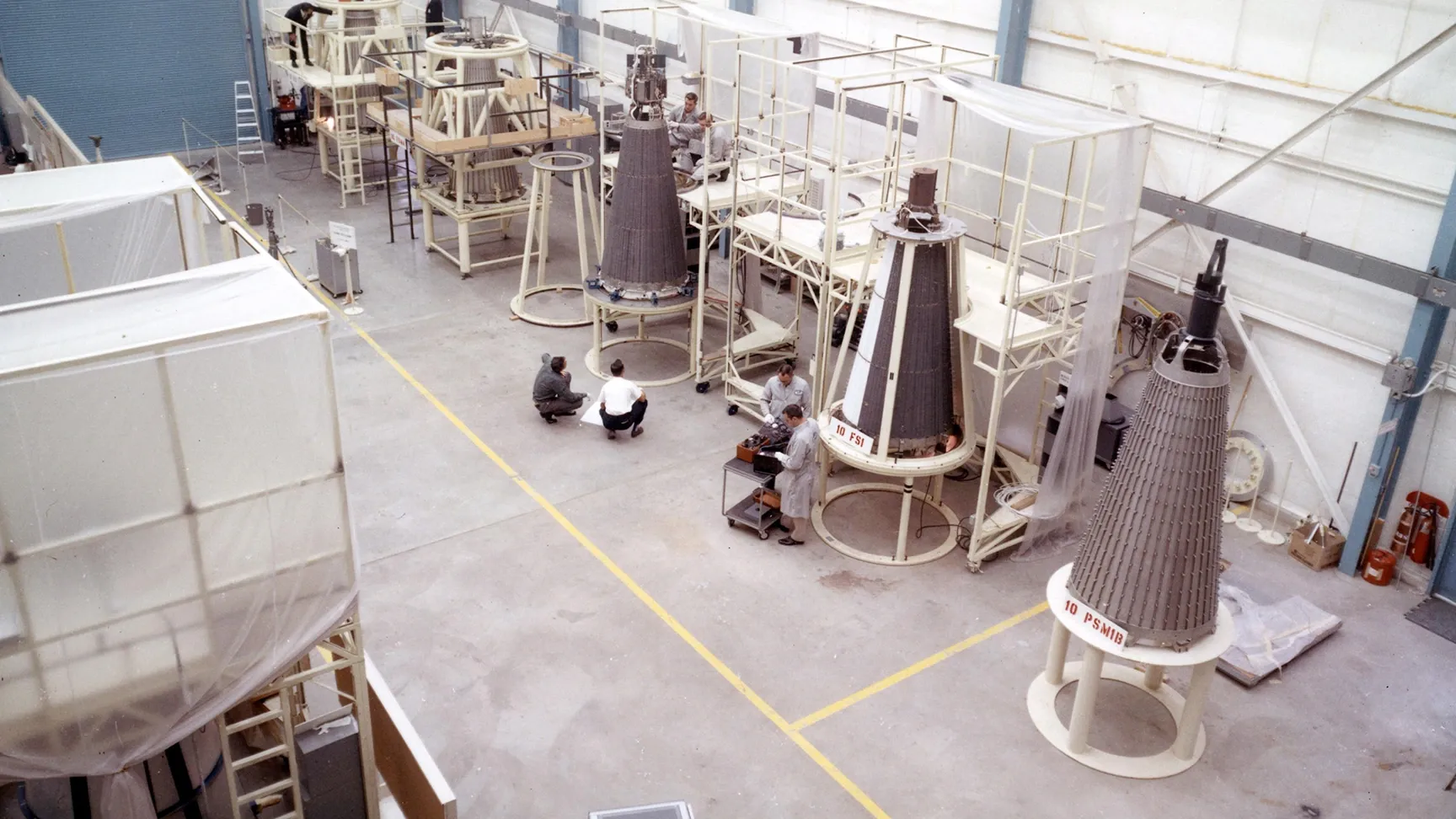
SNAP-10A
The 1965 launch of this NASA satellite marked the only time the U.S. has sent a nuclear reactor to space. Instead of propelling the satellite, the reactor generated 500 watts of electricity by converting heat from a compact nuclear reactor.
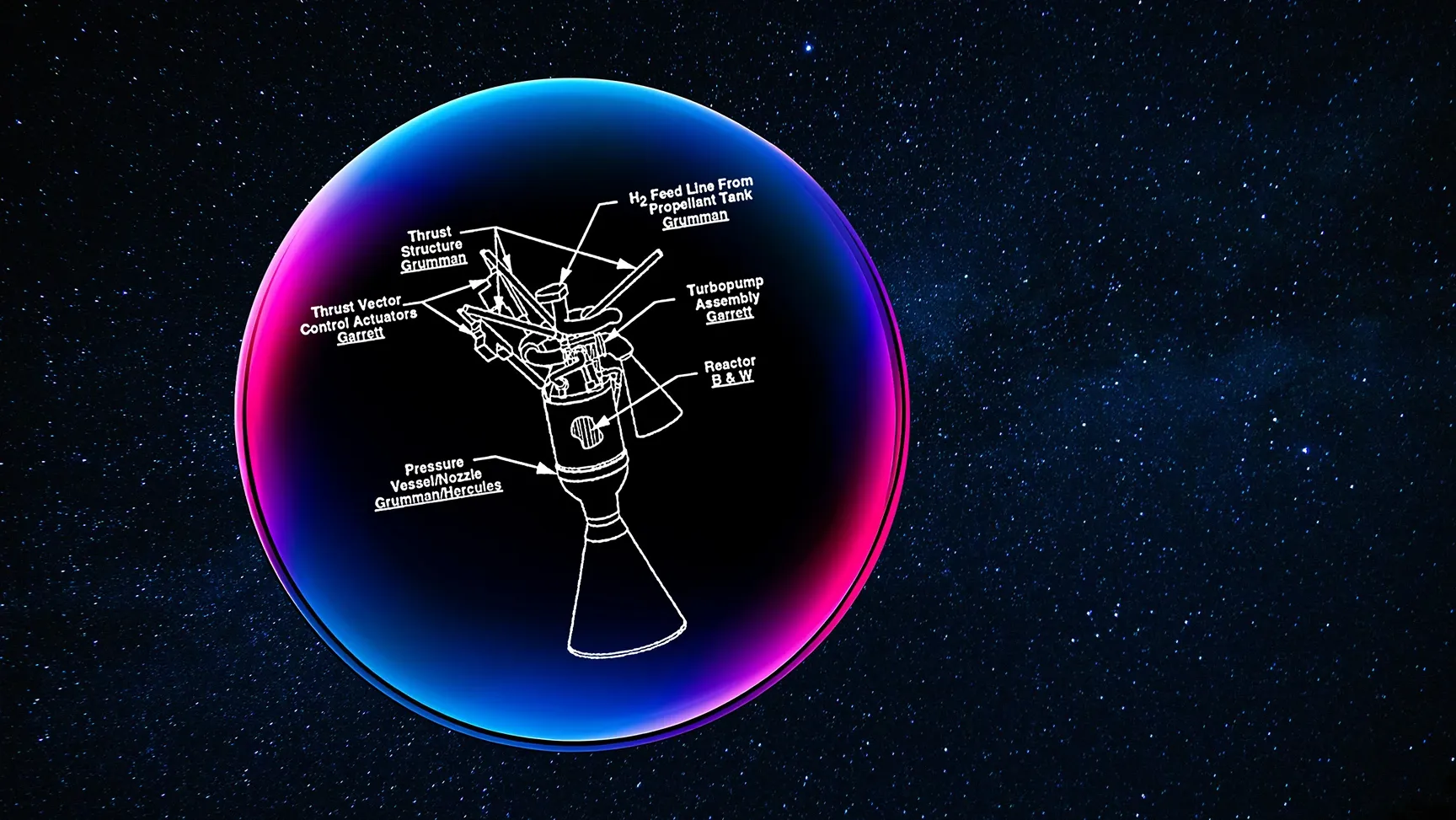
Nuclear rocket research
Then-President Ronald Reagan announced the Strategic Defense Initiative during a televised speech in March 1983. Research was conducted on a variety of weapons concepts, including a nuclear-thermal rocket under Project Timberwind. This classified project was terminated in 1992, but research continued until 1994 under the Air Force’s Space Nuclear Thermal Propulsion Program.
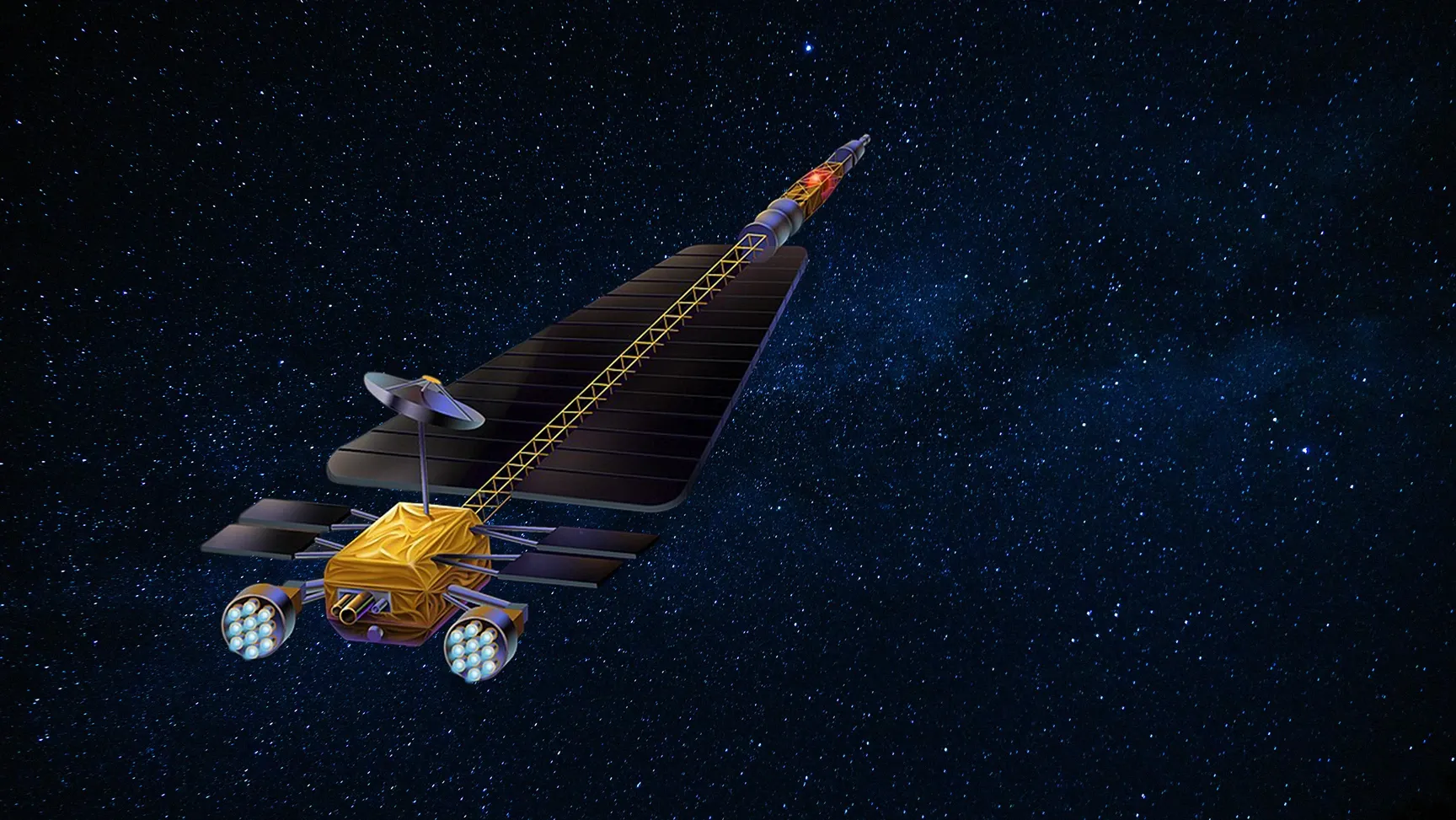
JIMO
NASA in 2002 proposed a nuclear-electric spacecraft that would orbit three of Jupiter’s moons thought to contain subsurface oceans, as indicated by images taken by the Galileo spacecraft. This Jupiter Icy Moons Orbiter, or JIMO, was to be powered by a fission reactor, depicted in this illustration as a thin rod (at right). The mission was canceled in 2005.
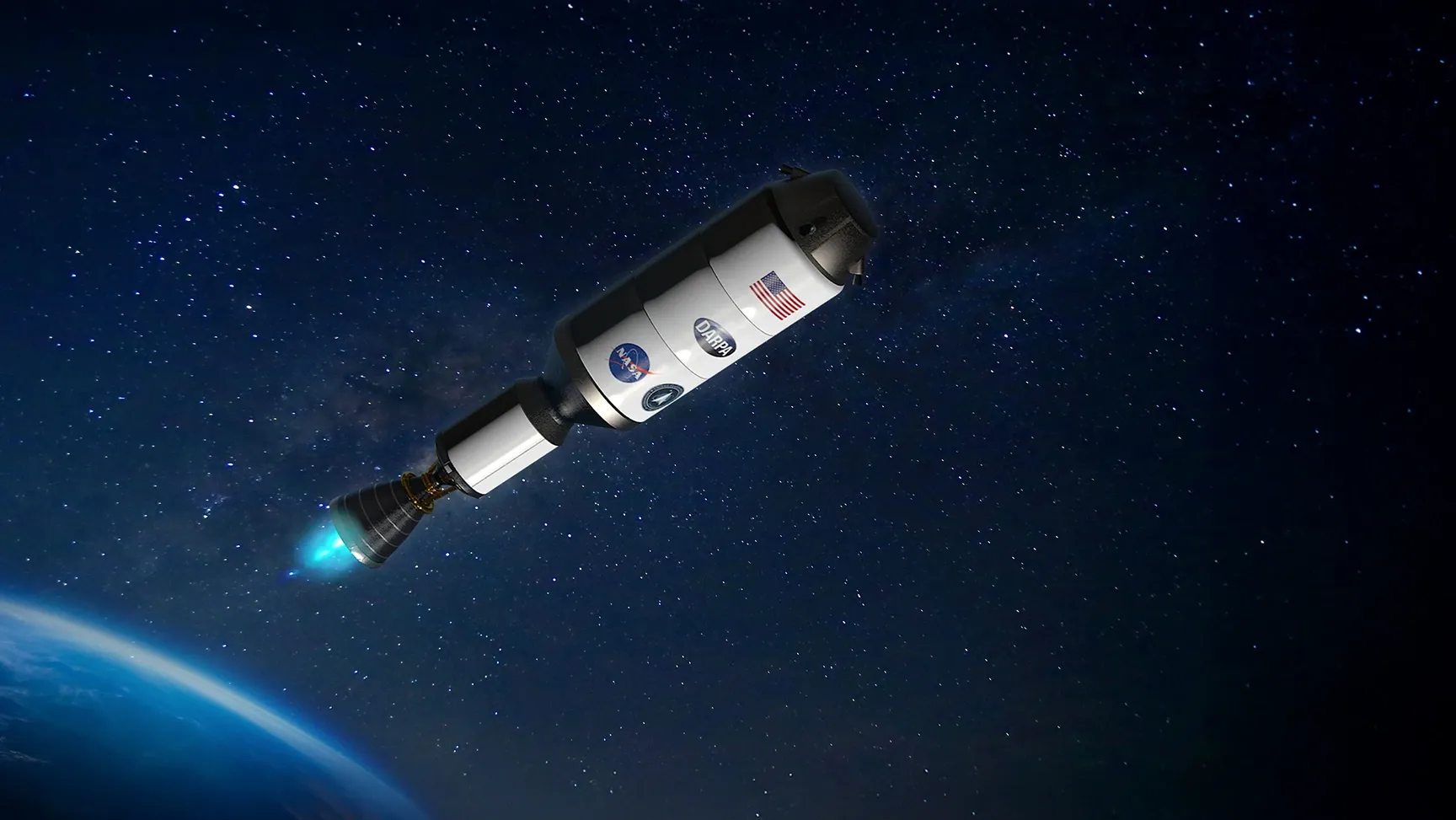
DRACO
This DARPA program, started in 2020, was to culminate in 2025 with the first in-space demonstration of nuclear thermal propulsion. Three years in, NASA joined the effort, short for Demonstration Rocket for Agile Cislunar Operations, and the flight target shifted to 2027. DARPA canceled DRACO in 2025, citing increased costs and lingering questions about the benefits of nuclear thermal propulsion.
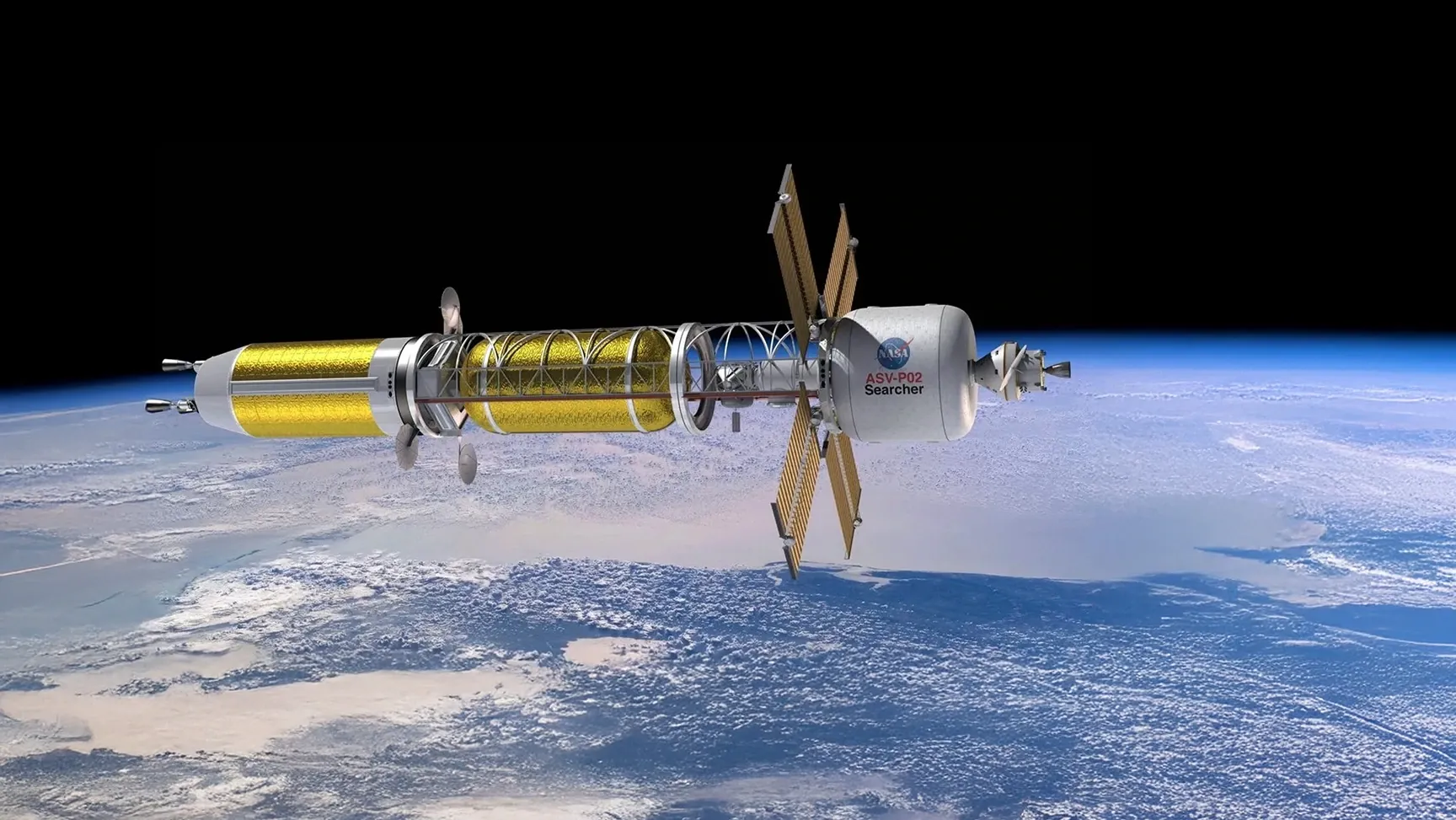
New reactor development
NASA in 2021 awarded three companies $5 million contracts to develop concepts for nuclear-thermal reactors. The concept by BWX Technologies was later selected for DRACO.
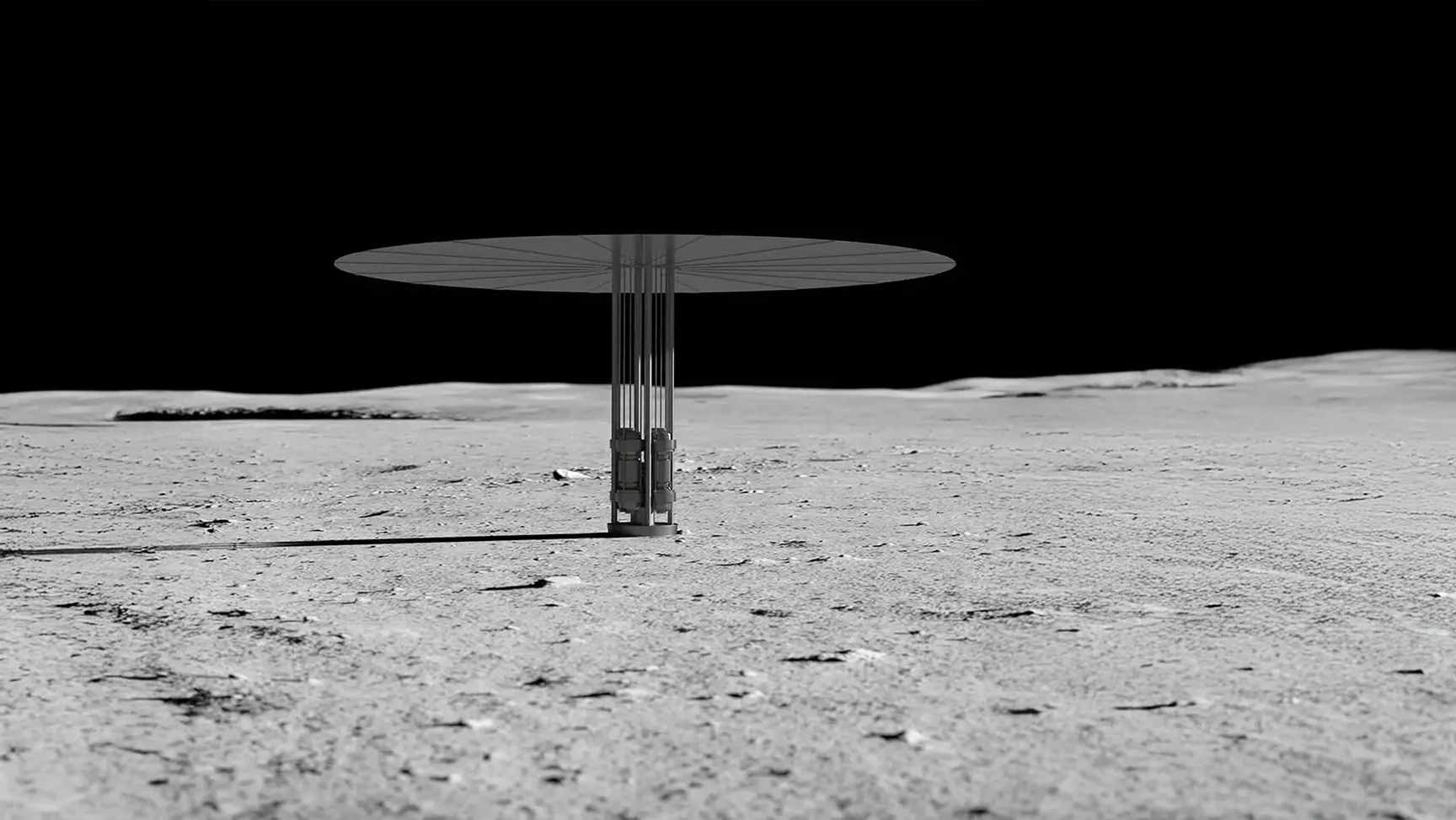
Fission Surface Power Project
NASA in 2022 awarded three companies $5 million contracts to develop concepts for fission reactors that could generate power for future moon missions.
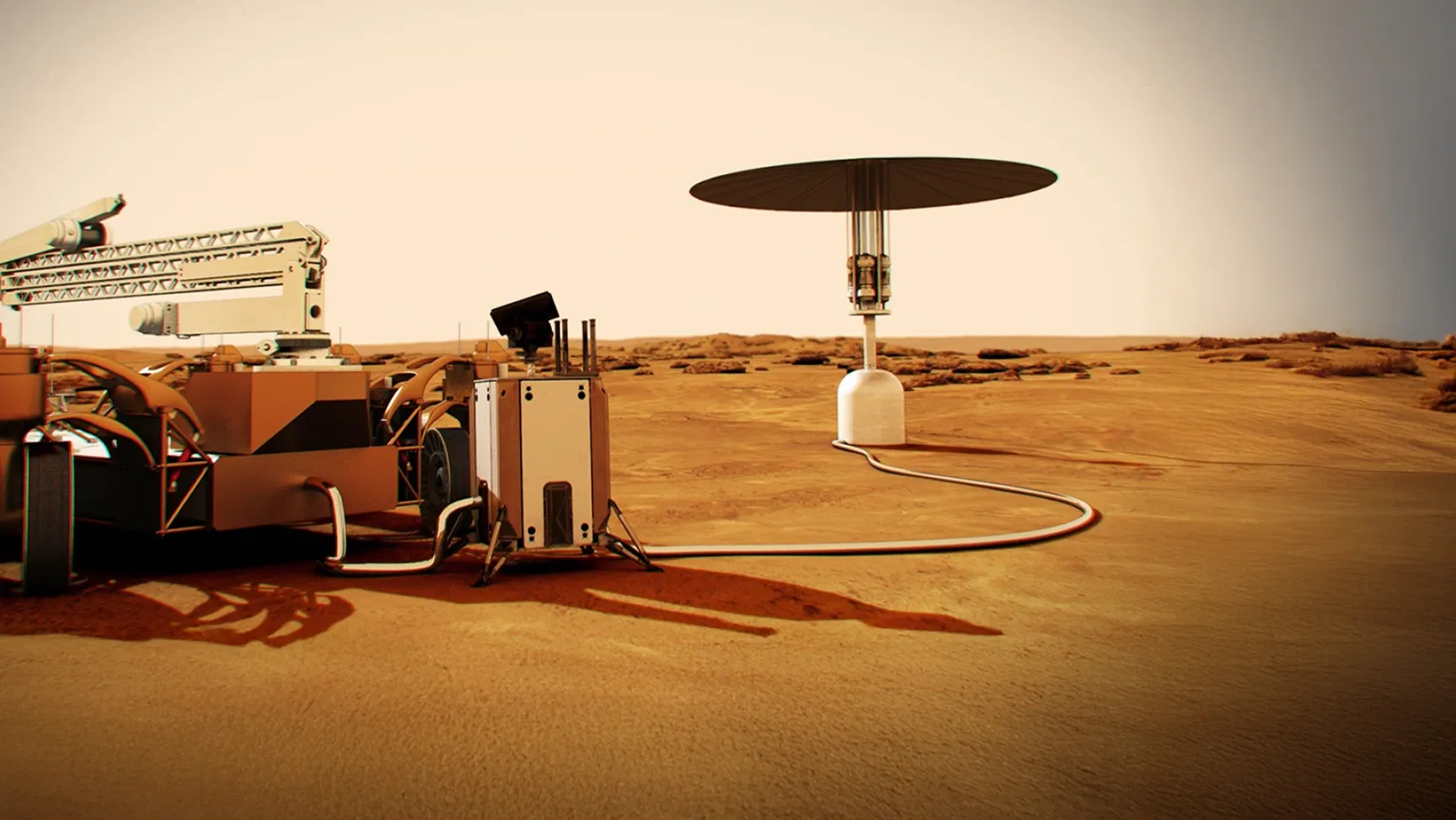
Lunar Reactor-1
A December 2025 executive order directed NASA to establish the initial elements of a lunar surface base by 2030. As part of this effort, NASA and the Department of Energy renewed their longstanding partnership to develop fission surface power systems, the first of which is dubbed Lunar Reactor-1.
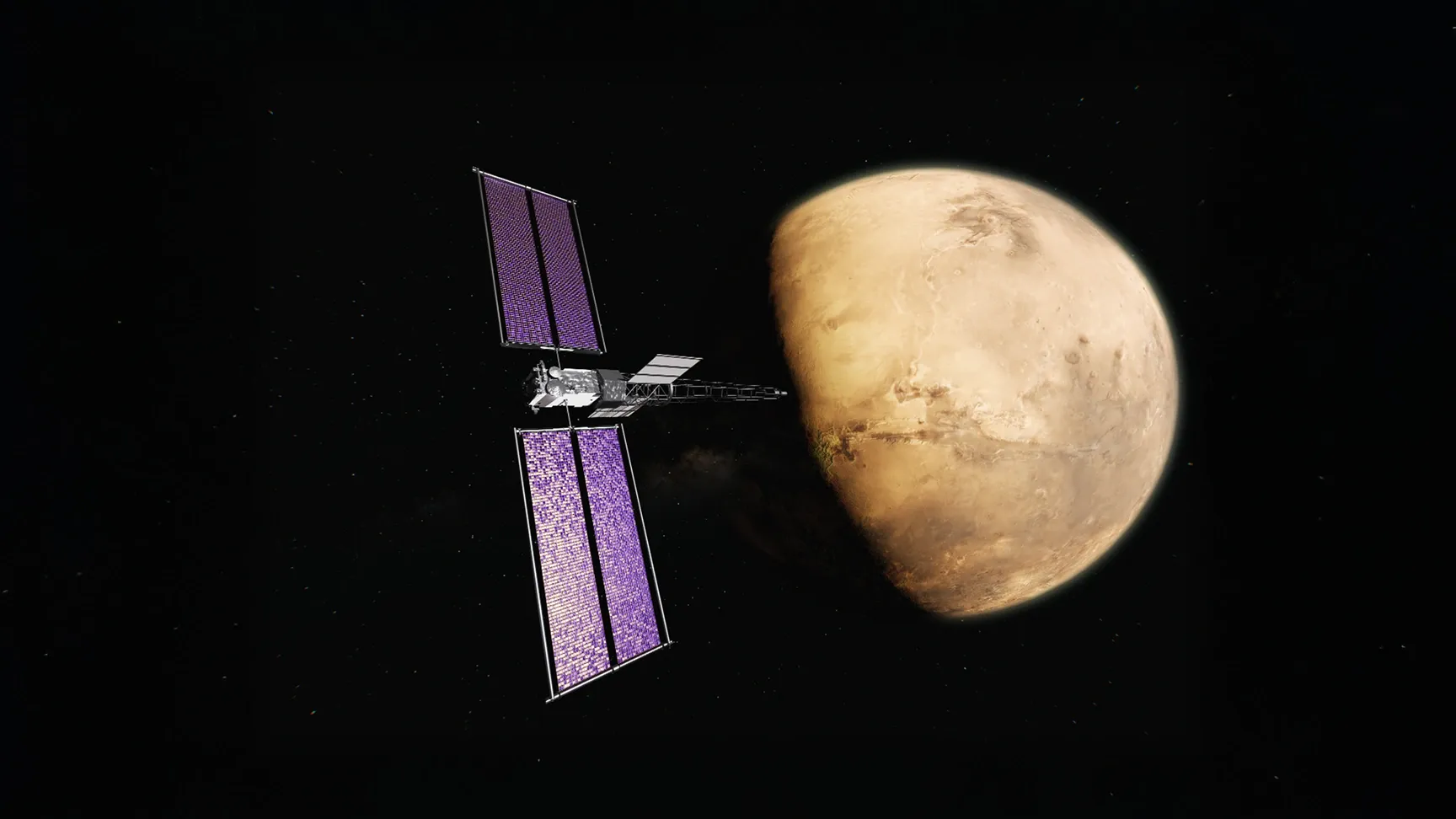
SR-1 Freedom
NASA in March 2026 announced this nuclear-electric spacecraft that is to be launched toward Mars in 2028. Plans call for repurposing hardware originally built for the lunar Gateway space station and collaborating with the Department of Energy on the required fission reactor. Once in Mars’ orbit, the spacecraft would deploy three Skyfall helicopters to survey the planet’s terrain, among other tasks.
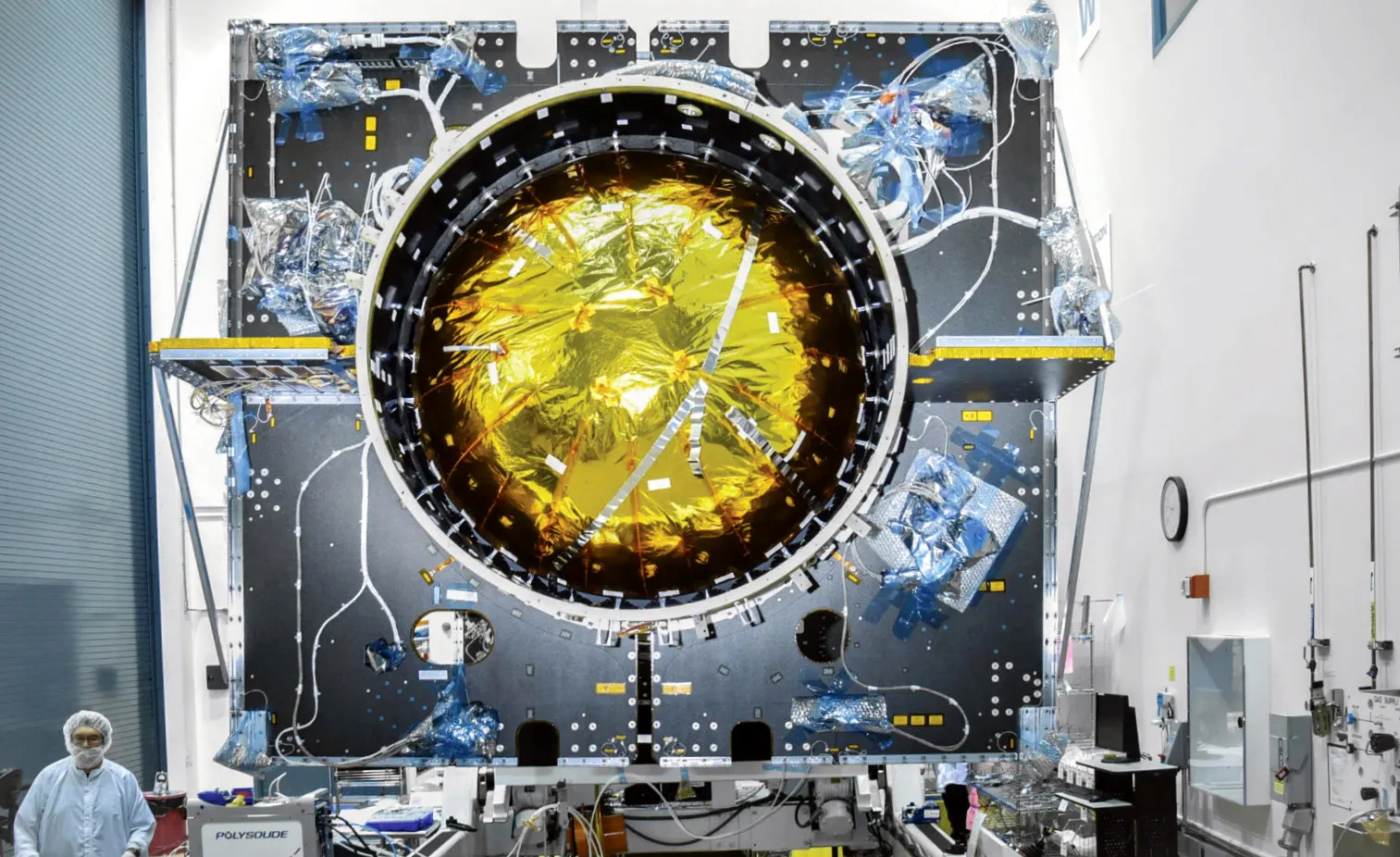
To expedite development of Space Reactor-1, NASA plans to repurpose the Power and Propulsion Element initially constructed for the lunar Gateway space station. The PPE’s main bus is pictured here in early 2025 during assembly at Lanteris Space Systems. Courtesy of Lanteris Space Systems.

Jon Kelvey covered space for The Independent in the U.K. His work has appeared in Air and Space Smithsonian, Slate and The Washington Post. He is based in Maryland.