Progress and pressure in reusable launch vehicles
 By Cat Hofacker
 By Cat Hofacker
The year brought both breakthroughs and setbacks as reusable launch vehicles moved toward routine service. SpaceX advanced Starship and Falcon 9, Blue Origin flew New Glenn and other U.S. companies progressed reusability efforts. Europe, China and Japan also made strides, emphasizing both the promise and challenges of moving beyond expendable designs.
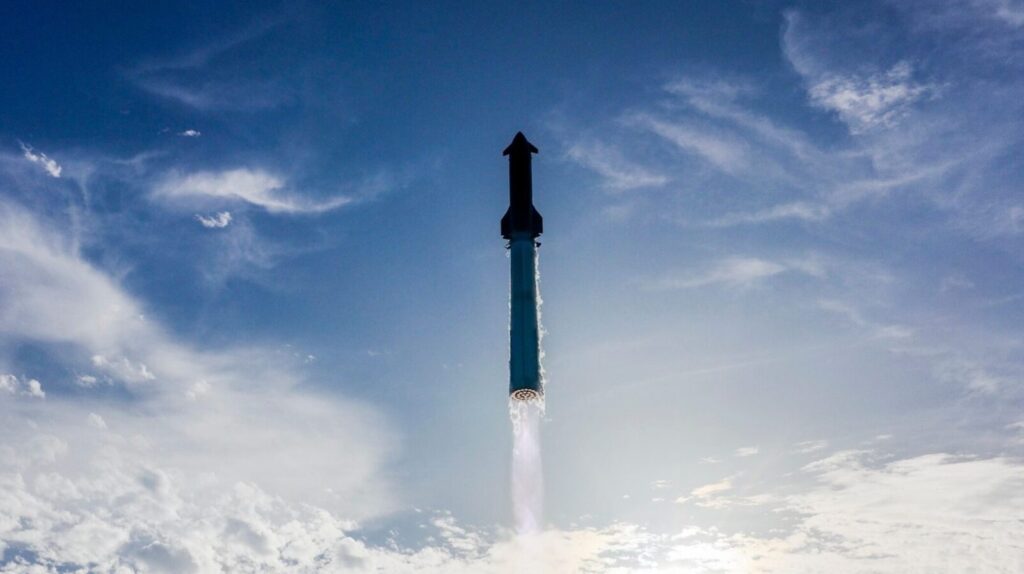
SpaceX launched five Block 2 Starship vehicles this year. The company caught two Super Heavy boosters with the “Mechazilla” tower arms and expended three others to test reentry and engine-out scenarios. In May, SpaceX reused a Super Heavy for the first time, a milestone toward full-stack reusability. The upper stage of Starship faced challenges, with three of the five flights experiencing partial or full failures. Falcon 9, however, surpassed 140 launches in November. In April, SpaceX secured a $5.3 billion contract under the U.S. Space Force’s National Security Space Launch (NSSL) Phase 3 program.
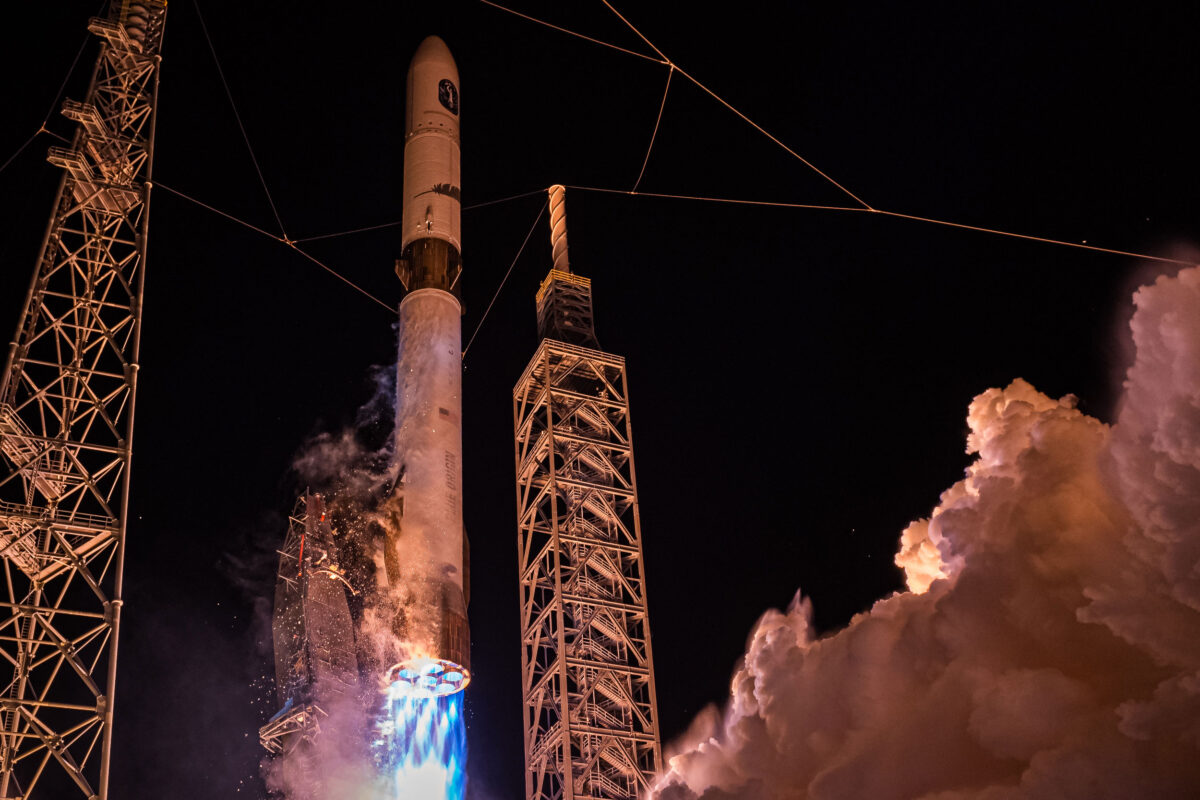
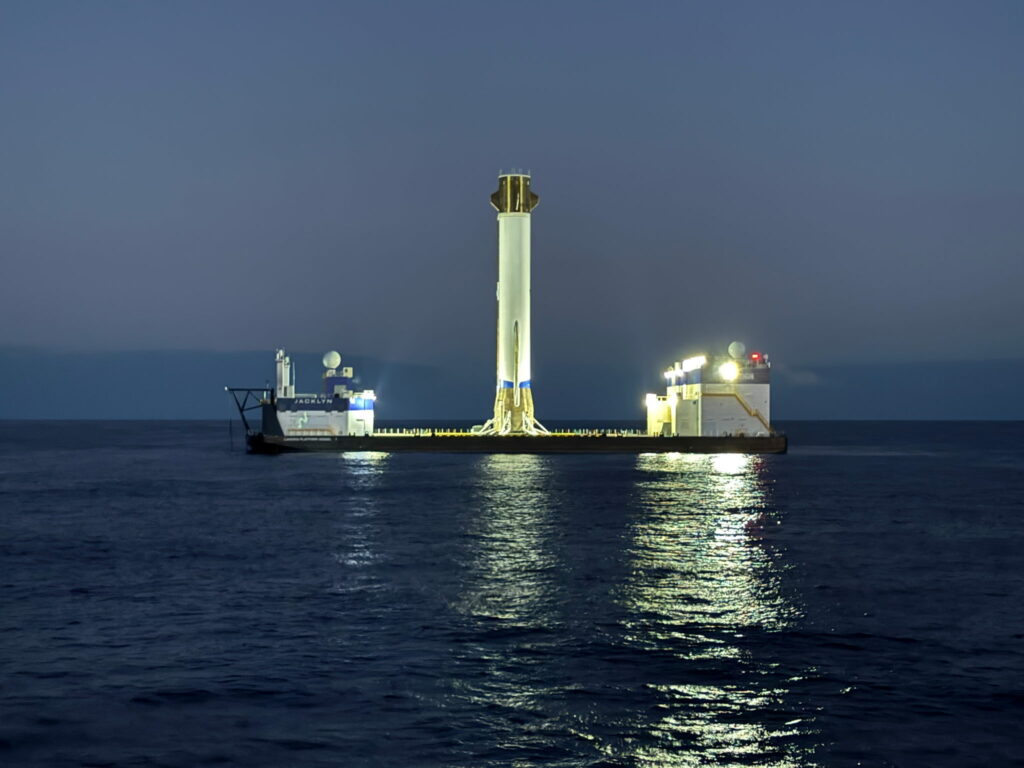
In January, Blue Origin completed the inaugural launch of the New Glenn rocket at Cape Canaveral Space Force Station in Florida after years of development. The second stage reached orbit on the first attempt, a first for a private company, though the booster was lost during return. In November, New Glenn completed its second launch, successfully landing its reusable booster on a drone-ship platform and deploying NASA’s ESCAPADE spacecraft for their journey toward Mars. Blue Origin also secured a $2.3 billion award under NSSL Phase 3.
Rocket Lab advanced its Neutron program by opening Launch Complex 3 in Virginia in August. The site is designed for the test, launch and recovery of Neutron, a reusable medium-lift rocket. Rocket Lab aims to debut Neutron in early 2026 to compete with SpaceX’s Falcon 9.
United Launch Alliance reaffirmed its commitment to reusability of its Vulcan Centaur design. ULA’s Sensible Modular Autonomous Return Technology (SMART) concept is designed to recover and reuse the booster’s engine section, and ULA leadership has suggested that other vehicle components may be recovered in the future. This stance marks a shift for a normally risk averse organization.
In February, Stoke Space announced the Andromeda 2 reusable upper-stage engine, a high-performance, reusable design that will power its Nova rocket. In October, Stoke announced it had raised $510 million toward support of Nova, assisting the company’s ambition to compete with established players by pursuing full reusability.
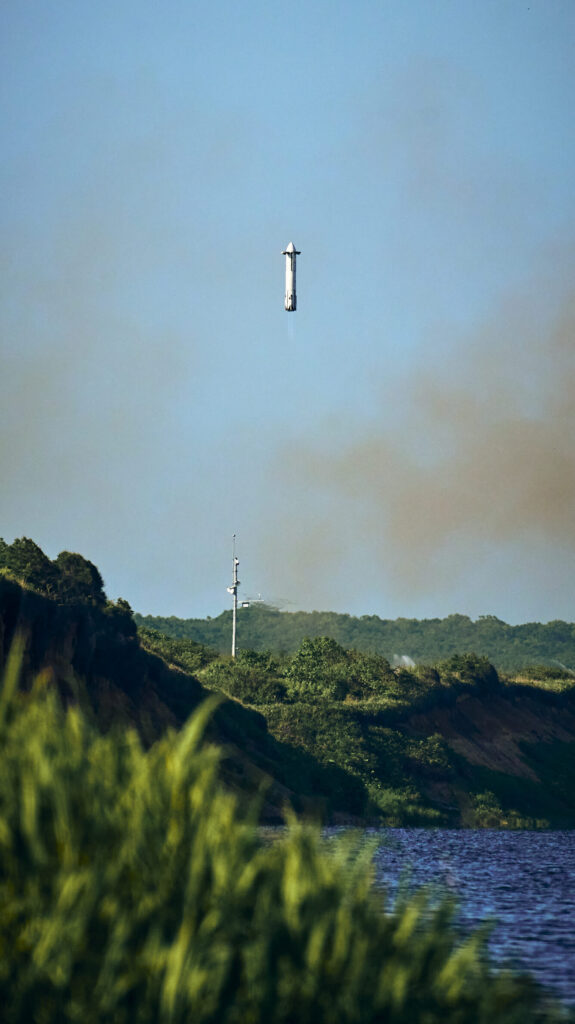
Honda surprised the industry in June with a launch and landing test of its experimental reusable rocket. The demonstration marked Japan’s first company led attempt and showed rapid progress since publicly announcing a rocket program in 2021. The test serves as a step toward the goal of suborbital flights by 2029.
In Europe, Ariane Group completed integration of the Themis prototype in September. The reusable stage is preparing for low-altitude hop tests to evaluate landing legs and guidance systems, advancing Europe’s bid for a medium-lift reusable rocket. The European Space Agency also signaled reusability is a priority through a contract with Italian company Avio for an in-flight demonstration of a reusable upper stage.
A surge of interest and funding continued in China. In September, Space Pioneer completed static fire testing of the Tianlong 3 after a similar test failed in 2024. LandSpace, ispace and the China Aerospace Science and Technology Corporation are all also aiming to launch reusable rockets before 2027.
Policy developments also shaped the year. In August, U.S. President Donald Trump signed the “Enabling Competition in the Commercial Space Industry” executive order to speed environmental reviews, revise FAA regulations and accelerate spaceport development. These changes are intended to reduce delays and increase launch cadence for reusable systems.
Opener image: Blue Origin’s first New Glenn reached orbit during its inaugural launch in January 2025. Credit: Blue Origin