Funding headwinds interrupt developments in large-scale, hybrid-electric powertrain technology
 By Cat Hofacker
 By Cat Hofacker
2025 saw several developmental milestones for electric aircraft concepts, as well as setbacks in research agendas for large, high-power electrified propulsion systems.
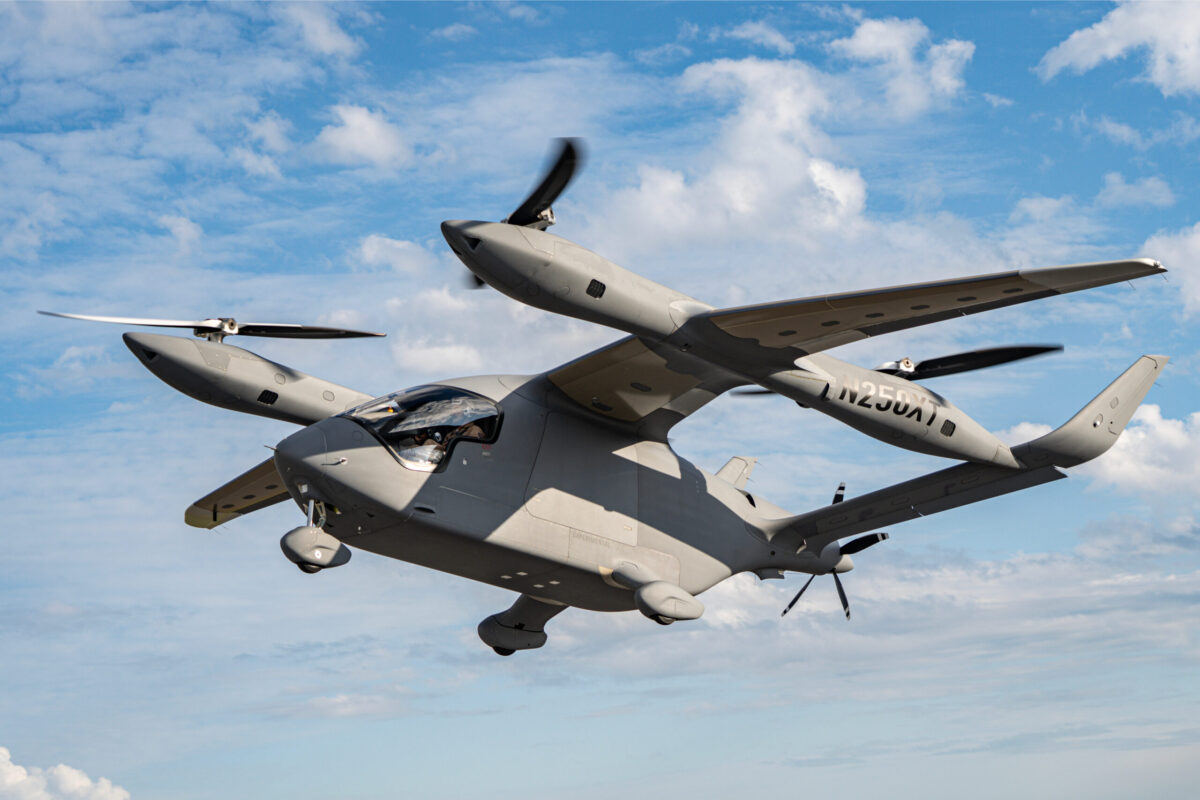
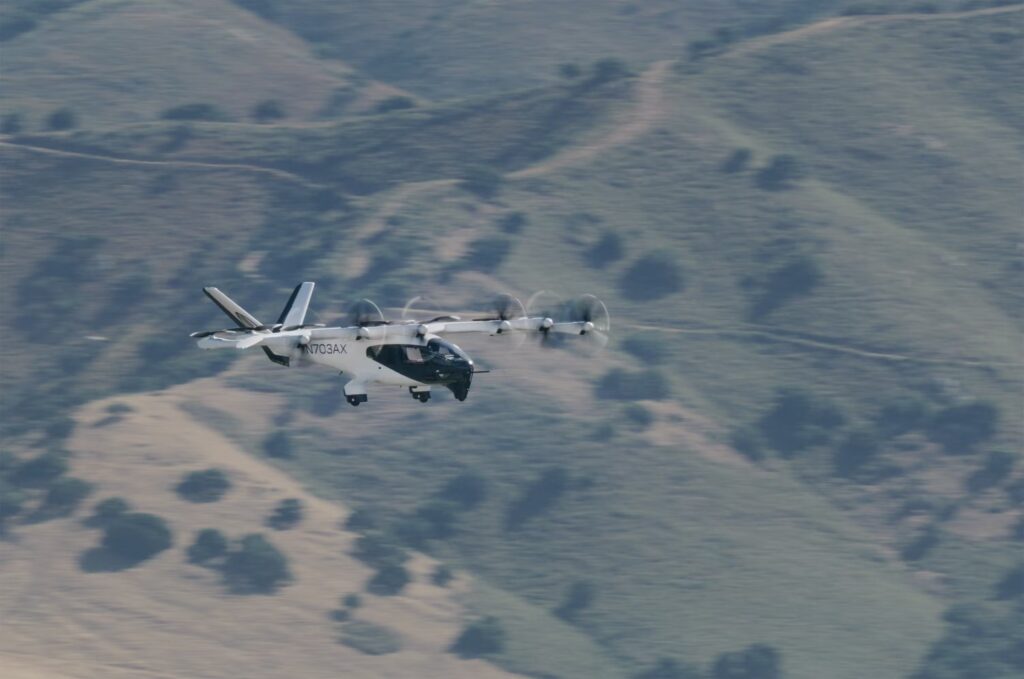
Developers of electric vertical takeoff and landing (eVTOL) aircraft made significant progress in advancing financial and programmatic milestones. In September, GE Aerospace invested a reported $300 million in eVTOL developer BETA Technologies to mutually advance hybrid-electric aircraft technology. Additionally, eVTOL developer Joby Aviation announced a partnership with L3Harris Technologies in August to develop hybrid-electric aircraft configurations for defense applications. Joby and Archer Aviation completed flight demonstrations of their eVTOL prototypes, including October demonstrations to the general public at the California International Airshow. Similarly, Vertical Aerospace in July reported the first airport-to-airport flight demonstration of its second VX4 prototype.
First flight demonstrations and key certification requirements were also established for larger aircraft designs with hybrid-electric powertrains. In March, Ampaire received a G-1 certification basis for its AMP-H570 hybrid-electric powertrain, which it intends to market as a retrofit-available system for modified versions of the Cessna 208B Grand Caravan. This is the first system to earn a G-1 issue paper, which is intended to identify the regulatory requirements and airworthiness standards that must be met for certification.
In June, RTX achieved a key milestone in its Hybrid-Electric Flight Demonstrator program, completing a ground test of the integrated propulsion system and batteries to full power. The broader effort — which includes a collaboration between Pratt & Whitney Canada and turboprop aircraft manufacturer, ATI — seeks to leverage this successful test in the development of advanced turboprop engine systems with reduced fuel consumption. In September, Electra utilized its EL2 Ultra-Short Takeoff and Landing demonstrator to participate in the Air Force Research Lab’s Future Flag Test event, highlighting the potential U.S. Air Force applications of the company’s electrified blown-lift technologies.
NASA’s proposed fiscal year 2026 budget, released by the White House in June, included significant cuts to various programs within the Aeronautics Research Mission Directorate. Among the reductions was eliminating funding for the Electrified Powertrain Flight Demonstrator project, in which GE Aerospace and magniX of Washington were selected to develop and test megawatt-scale hybrid-electric propulsion systems in-flight for turboprop-class aircraft configurations. Through this project, multiple propulsion system reconfigurations and ground test campaigns had already been conducted.

Though no new details were available as of mid-December, these budgetary cuts are anticipated to result in termination of the EPFD flight tests planned for 2026. Similarly, it was announced in October that a U.S. Department of Energy grant to BETA Technologies, focused on the development of battery recharging technologies, was being canceled.
Opener image: GE Aerospace and BETA Technologies in September 2025 announced they would develop a hybrid electric turbogenerator to power future aircraft designs, such as the conceptual future long-range vertical takeoff and landing aircraft pictured here. Credit: BETA Technologies