Supersonics takes flight in 2025
 By Cat Hofacker
 By Cat Hofacker
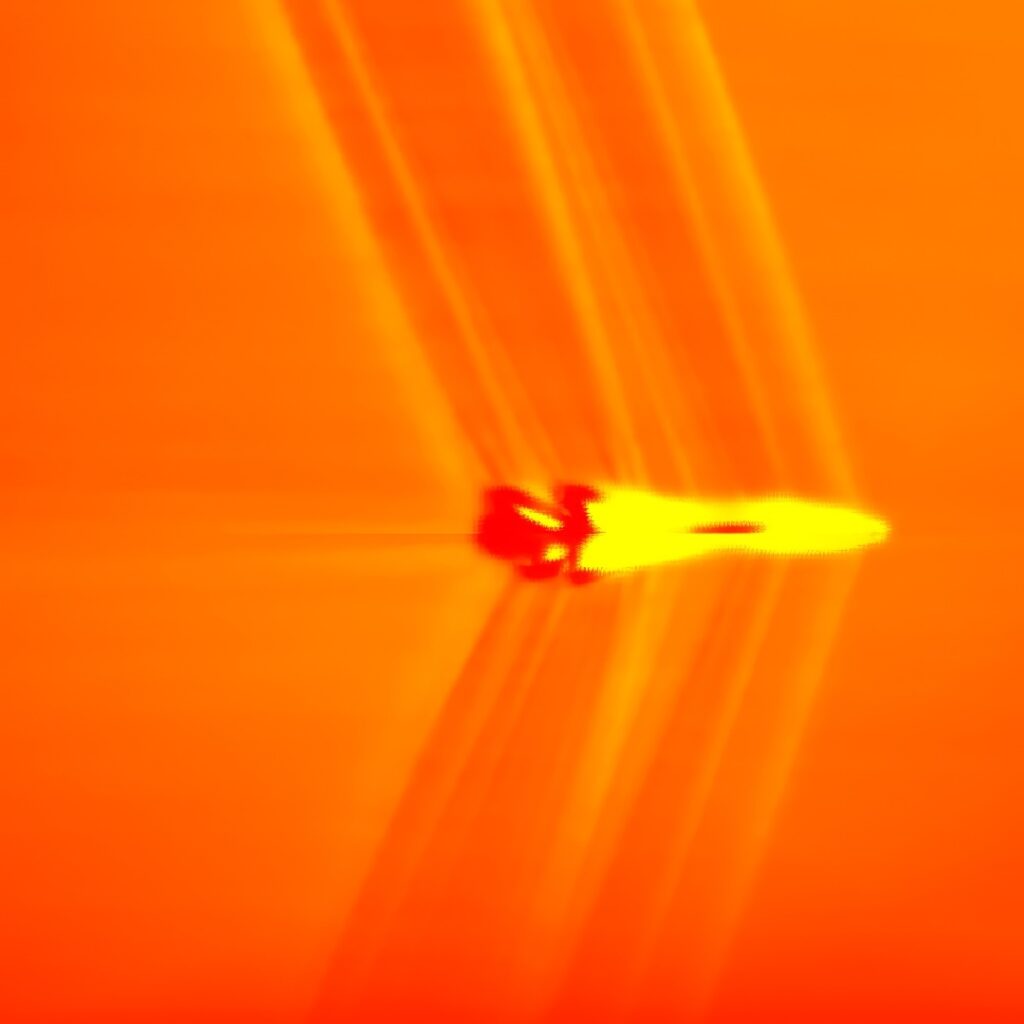
In January, Boom Supersonic reached a major milestone by flying its XB-1 demonstrator at Mach 1.122 at an altitude of 35,290 feet . It took off from the Mojave Air & Space Port in California, marking the first time a privately developed civil supersonic jet broke the sound barrier without government backing. The flight showcased a “boomless cruise” capability through high-altitude Mach cutoff, preventing sonic booms from reaching the ground, which was confirmed by ground-based sensors. Boomless Cruise enables aircraft to fly up to 50% faster over land and twice as fast over water, which is the goal for the Overture supersonic airliner currently in development.
Boom continued to make progress on Symphony, the purpose-built turbofan engine that will power Overture. In April, Boom announced that it is building out a testing facility for Symphony at the Colorado Air & Space Port, known as the Supersonic Propulsion Lab. Roughly 80% of the parts for the first full-scale engine are in manufacturing, and Boom expects to produce thrust during engine core tests in early 2026.
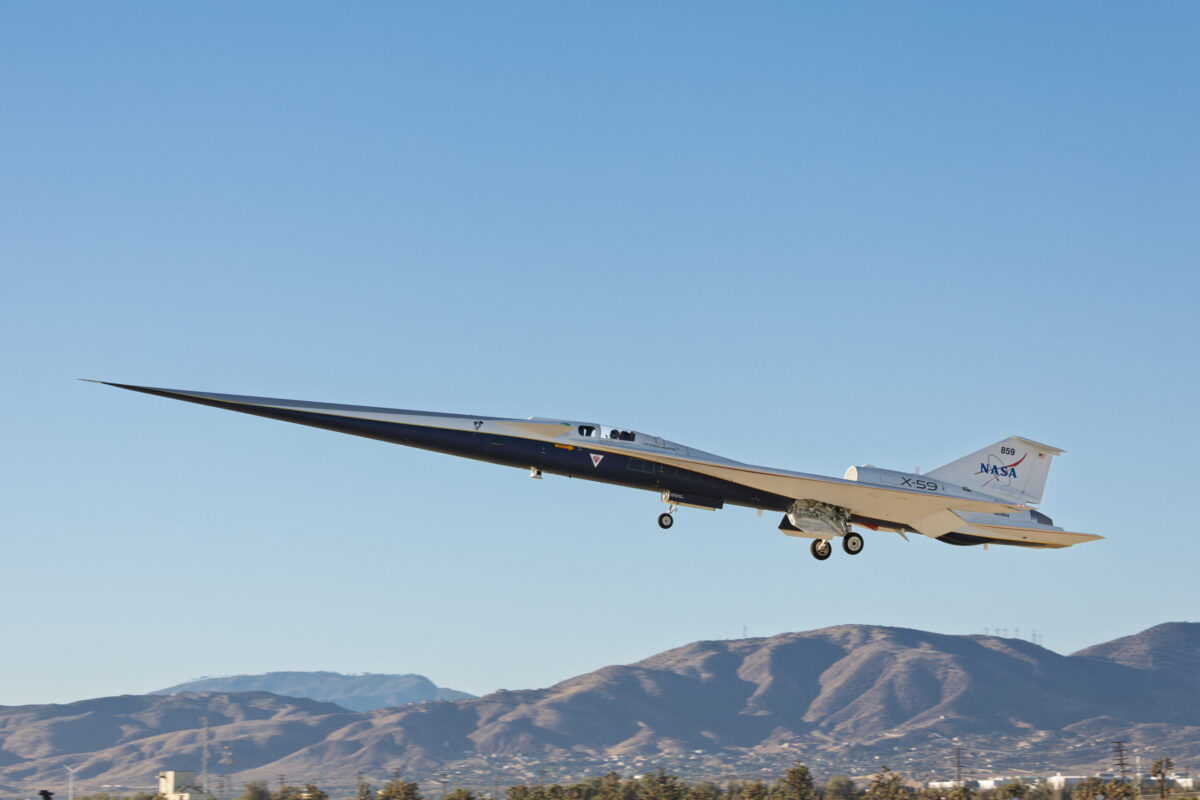
NASA and its lead contractor Lockheed Martin reached several important milestones in the development of X-59 quiet supersonic demonstrator. The aircraft underwent extensive ground testing, including maximum afterburner engine runs, electromagnetic interference, and hydrazine engine restart checks. In July, NASA began taxi tests at speeds up to 100 knots at U.S. Air Force Plant 42 in Palmdale, California. In October, the X-59 completed its first flight, taking off from Plant 42’s runway 7 and flying for over an hour.
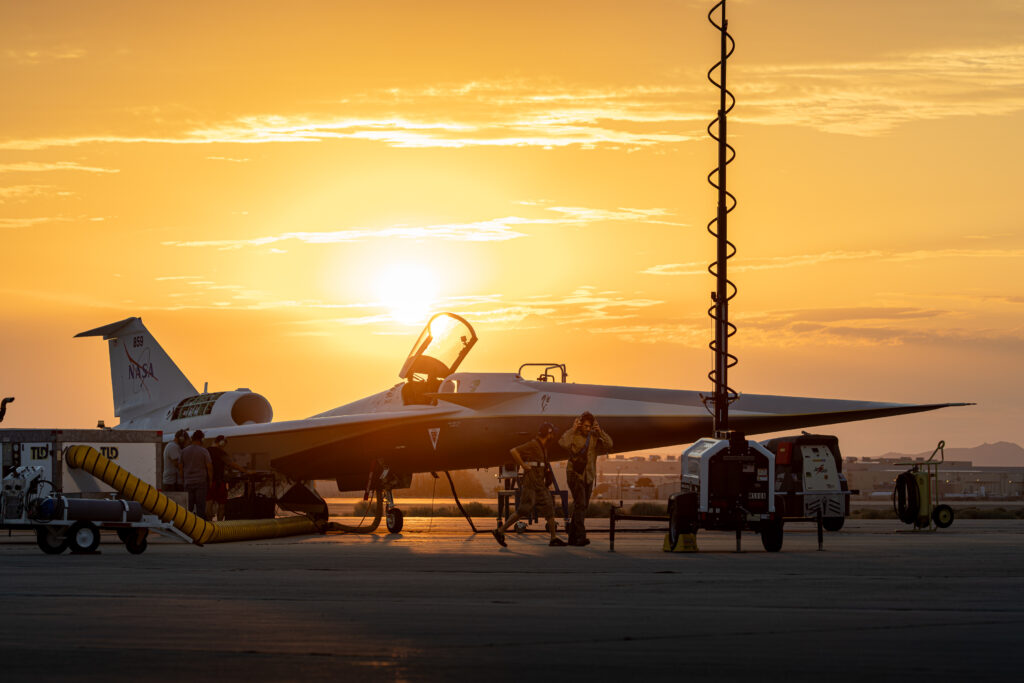
Designed to fly at Mach 1.4 while replacing the disruptive sonic boom with a muted “thump,” the X-59 features cutting-edge technologies such as a digital fly-by-wire system and an eXternal Vision System in place of a traditional flight deck window. Its Flight Test Instrumentation System, which can record over 20,000 onboard parameters, proved itself during tests, laying the groundwork for flight data collection. NASA plans to fly the X-59 over select communities to gather public feedback, which will be shared with U.S. and international regulators to help shape future noise standards for commercial supersonic aircraft, transforming how supersonic travel is perceived and regulated.
In June, U.S. President Donald Trump issued Executive Order 14304, “Leading the World in Supersonic Flight,” initiating a comprehensive overhaul of regulations governing civil supersonic aviation. The order directs FAA to repeal existing prohibitions on overland supersonic flight and to establish interim noise-based certification standards to support safe and sustainable commercial operations. It mandates coordinated research and development efforts across multiple federal agencies — including the Department of Defense, Department of Commerce, Department of Transportation, and NASA — under the leadership of the Office of Science and Technology Policy. These agencies will collaborate to identify regulatory and technological needs, support testing at federal sites, and share findings to inform future rulemaking. The order also emphasizes international cooperation, instructing FAA and OSTP to engage with the International Civil Aviation Organization and foreign aviation authorities to align global standards and pursue bilateral safety agreements for supersonic aircraft.
Contributor: Lori Ozoroski
Opener image: NASA’s X-59 demonstrator completed its first flight in October 2025, flying subsonically from Palmdale, California, to nearby NASA’s Armstrong Flight Research Center. Credit: Lockheed Martin