Space Force is moving to acquire by mission area, service official says


RESTON, Va. — As the Pentagon pushes to accelerate acquisition, a U.S. Space Force official said the service wants to align its purchases with mission areas, rather than programs.
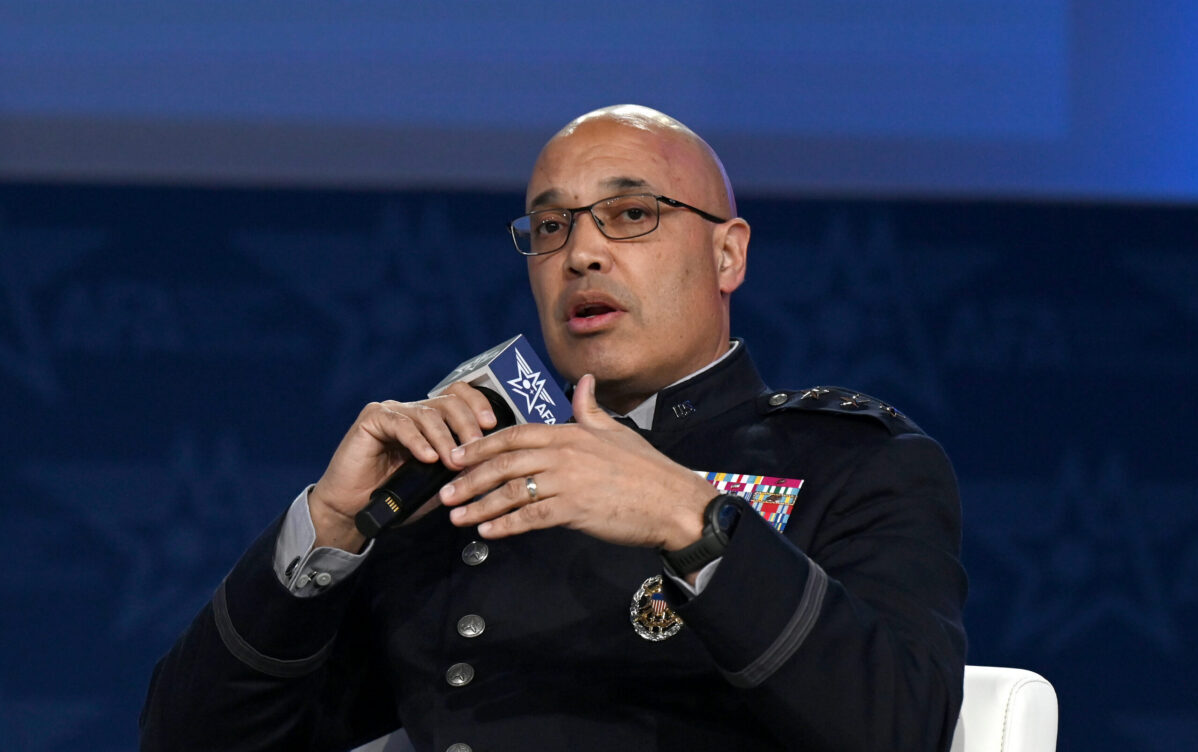
The service has “only ever acquired systems by program, and it’s probably tied to the program element structure and the oversight economics,” Lt. Gen. David Miller Jr., the Space Force deputy chief of space operations for strategy, plans, programs and requirements, said Tuesday at the Defense and Intelligence Space Conference here.
“We have never backed up and said, ‘What does this mission area need to do?’” Miller added.
But now, “you will look into our acquisition workforce and see commands aligned to these mission areas,” he said. “This is a great opportunity we have — [and] a lot of it’s new.”
When it comes to acquisition reform, “people say the focus is speed,” Miller added. “But speed without purpose and standards just leads to reckless driving.”
Speaking at a separate session earlier in the day, Lt. Gen. Richard Zellmann, deputy commander of U.S. Space Command, noted that it will be more difficult to speed purchases that address urgent needs.
“Major acquisitions, Category I-type programs — you can shrink the timelines, because there’s some ability to shrink,” he said. “It’s more difficult when you start looking at the urgent needs that you have. Those are the difficult ones.”
Zellmann expressed similar concerns about the “speed of acquisition” for space materials. “We’re doing some movement within the department to speed that up, but I think any of us could say we want things to be faster.”
Zellmann said moving faster also depends on the available capacity of industry. “If you get into a protracted conflict with a peer adversary, that means we have to regenerate a lot of the kit we have,” he said. “And that’s going to require an industrial base that can move in scope and scale to what we need.”
He pointed to the “Herculean” capacity of the industrial base during World War II, specifically its ability to produce over 100 aircraft carriers between 1940 and 1944.
Today, “it is nice to see what commercial industry can do,” he said. “Where I think we [SPACECOM] missed the boat is we haven’t shared exactly the requirements we have with enough fine details.”
“Once we close that gap, then the companies that invest their dollars are investing in the things that we’re going to need down the road,” Zellmann said.
He added that acquisition reform will require “leadership involvement and the right focus” as well as learning from organizations like the Space Development Agency and Missile Defense Agency, both of which he said have sped up their processes.
“It can be done,” he said.