Pursuing Brazilian certification, Eve runs almost daily test flights


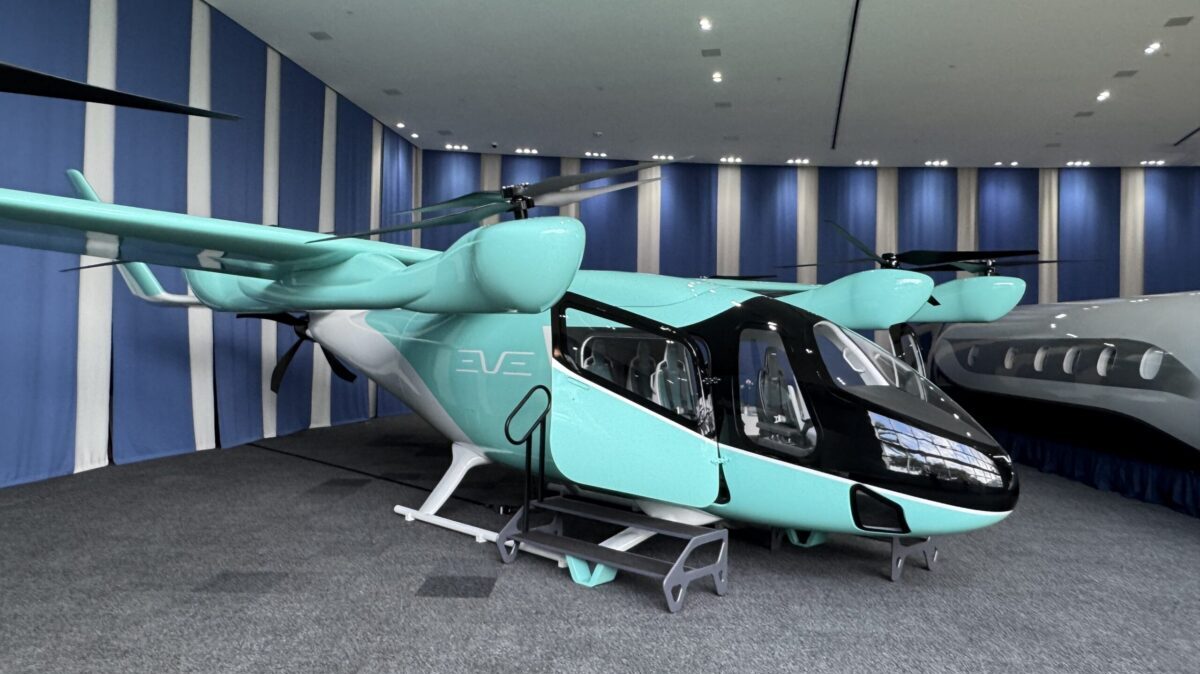
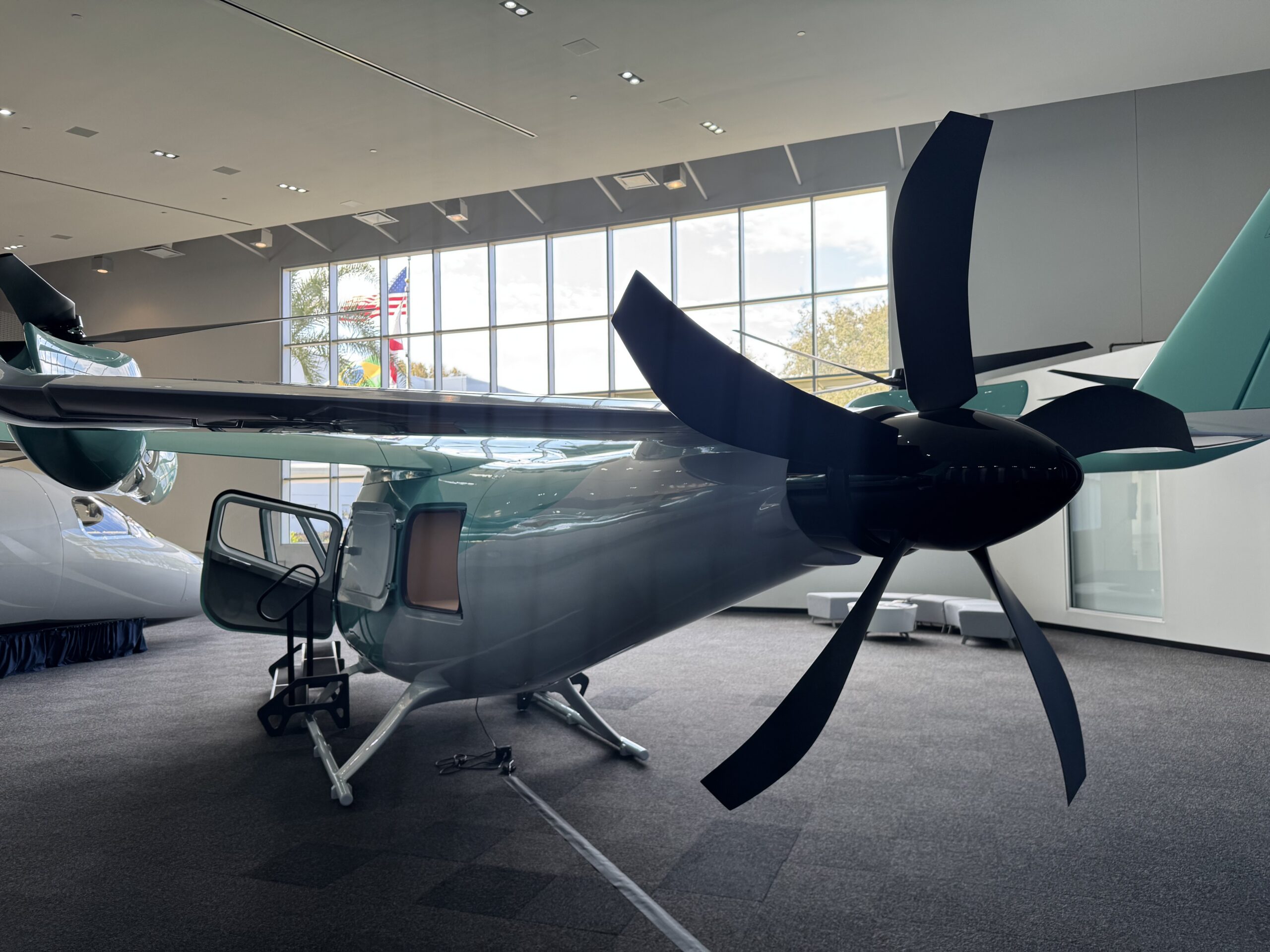
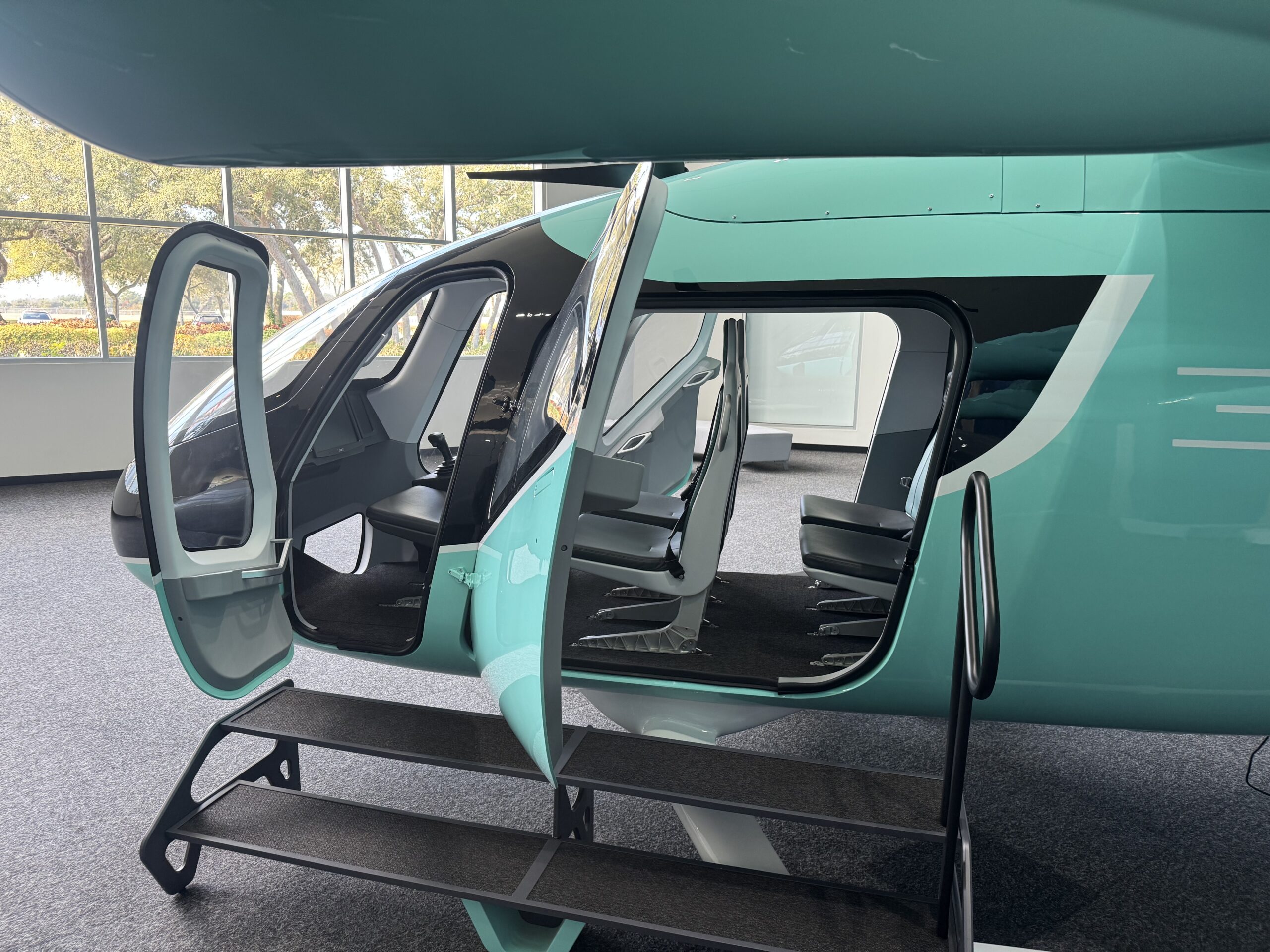
MELBOURNE, Fla. — At Embraer’s campus here, Eve Air Mobility has invited a steady stream of visitors to view the full-scale mockup of its four-passenger electric air taxi while the first full-scale prototype flies almost daily in Brazil.
The goal is for the aircraft — also called Eve — to enter service in 2027, pending receipt of a type certificate from the National Civil Aviation Agency of Brazil, where Eve’s primary owner, Embraer, is based. The company is simultaneously pursuing FAA type certification under the concurrent validation process.
Plans call for beginning passenger service in Brazil, but the company believes Florida could follow soon after, Megha Bhatia, chief commercial officer, told me.
“Florida is a key market for us, and in fact, the Florida Department of Transportation was one of the first to come see our mockup here. We’re closely engaged with them,” she said. “We plan to have a demonstrator here in the U.S. in late 2027.”
She added that operators of the state’s largest airports, including the Greater Orlando Aviation Authority that runs Orlando International Airport, have also visited to see the mockup.
The Eve has eight battery-powered propellers for vertical flight and a single rear pusher propeller for cruise flight. The lifting propellers fold along the booms to streamline aerodynamics in forward flight.
Like Embraer, Eve has established itself as an aircraft manufacturer, not an operator. But the company has other products on the operations side, including battery management services and its air traffic management software, Vector.
The Eve’s debut flight in December consisted of a few minutes of hovering, and the aircraft has racked up about 47 minutes total of remotely piloted flying time since, Bhatia said. Plans call for progressing toward forward transition flight later this year.
The design is “optimized for short trips within the city or sightseeing,” Bhatia said, “with the majority of routes at 30 miles [48 kilometers] or less, and we find that this is the best for our market.”