
NASA cameras on Firefly’s Blue Ghost lander could inform future missions
 By Cat Hofacker
 By Cat Hofacker
AIAA SCITECH FORUM, ORLANDO, Fla. — Future spacecraft bound for the lunar surface could benefit from the observations collected by the camera suite that captured images of lunar dust and regolith kicked up when a commercial lander touched down last year.
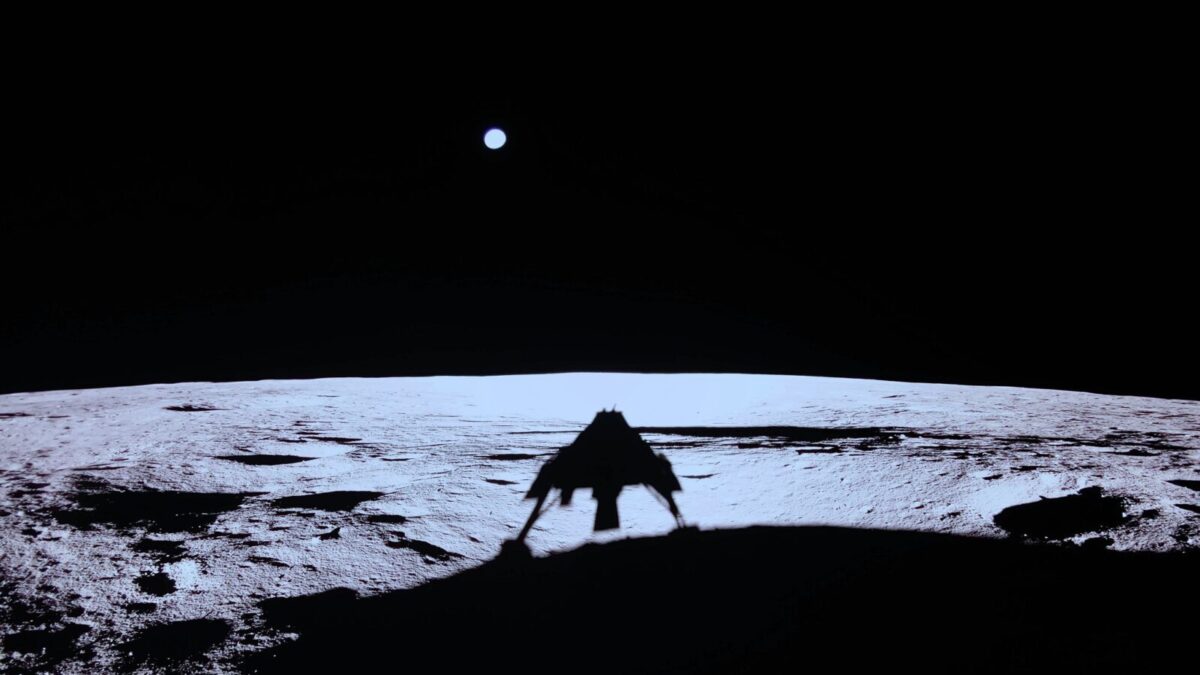
The agency’s Stereo Cameras for Lunar Plume-Surface Studies, or SCALPSS, landed on the moon in March aboard Firefly Aerospace’s first Blue Ghost lander. The spacecraft was the first funded under NASA’s Commercial Lunar Payload Services (CLPS) program to land upright and remain so for the duration of its 14-day mission.
Engineers are still analyzing the images the six SCALPSS cameras captured during Blue Ghost’s descent and touchdown, but early results presented by engineer Joshua Weisberger in a technical session here indicate some potential lessons for future landings. NASA plans to fly versions of SCALPSS on future CLPS missions, including aboard Blue Origin’s Mark 1 lander scheduled to be launched early this year.
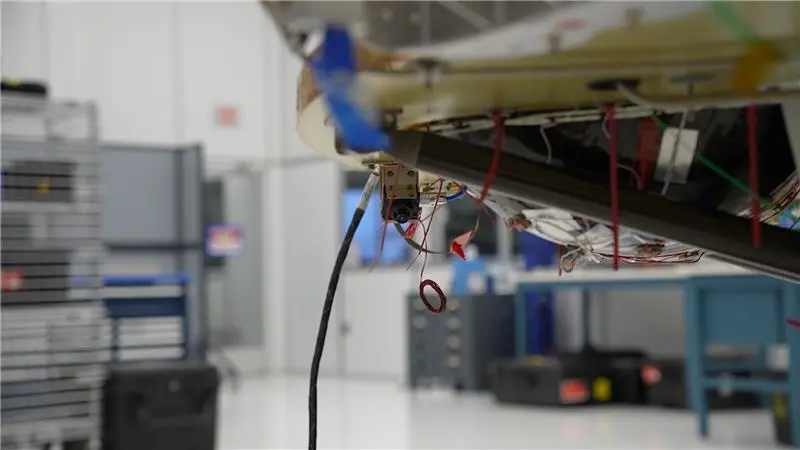
Consider, for instance, the placement of the cameras around the reaction control thrusters at the base of Blue Ghost. Two of those cameras were long-focal lenses with a 50-millimeter field of view, which Weisberger said turned out to be too narrow to image the entire landing zone during descent.
“If you had a 25-mm [lens], there’s a chance the field of view would’ve been a little bit bigger and you would’ve been able to get that,” he said. However, the four short-focal-lens cameras provided some of that imagery, so “it’s not too bad.”
Another potential lesson emerged when the mission team compared the long-focal lens images to those taken by NASA’s Lunar Reconnaissance Orbiter, which from its 50-200 km altitude photographed the Blue Ghost landing site before and after touchdown.
Many of the craters SCALPSS imaged at altitudes below 50 m appeared darker and deeper than in the LRO images, Weisberger said. “You can kind of get fooled by having super high-resolution images with solar elevation angles that are really shallow, because you get a lot of features, but they might just not be that deep.”
In that sense, “sometimes you don’t want the highest resolution images,” he noted, but said it’s always preferable to use cameras of varying resolutions “in tandem with each other, but knowing the limitations of both of them would be helpful.”