
Whisper Aero to produce leaf blowers with quiet aircraft propulsor technology


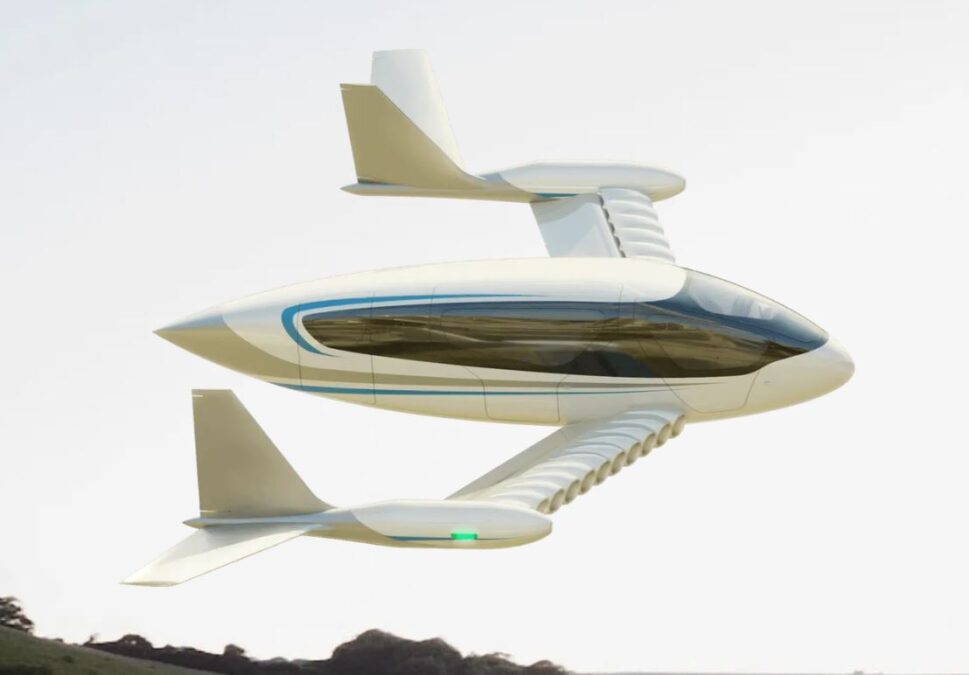
Whisper Aero, the Tennessee-based electric aircraft developer led by former NASA engineer Mark Moore, today unveiled the quiet electric leaf blowers it plans to manufacture using the company’s ducted fan propulsor technology.
The company ultimately wants to find a partner to build its proposed passenger aircraft, the Whisper Jet, that would fly on such propulsors. In an interview before the leaf blower announcement at CES today, Moore told me that commercializing the leaf blower will help the company learn more about efficient manufacturing and how to maximize the propulsor design.
Tone, Whisper’s subsidiary, plans to start shipping the first Tone 1, or T1, Quiet Leafblowers in September, priced starting at $599. The company said in a press release the T1 will be “40% quieter than the strongest electric blowers available today.”
Moore said he expects annual sales of at least 10,000, and “we’ll see where it scales from there.”
The core of the quiet leaf blower design is the fan — essentially a spinning disc of propeller blades — similar to what would propel the Whisper Jet. The company said it can achieve low noise and high efficiency because of a “high blade count,” but declined to detail the exact number of blades. The blades are tensioned to an outer shroud, similar to the spokes of a bicycle wheel, for sustained rigidity. A high number of blades allows a relatively slow tip speed that results in some noise at an ultrasonic range that is not audible to the human ear, Moore said.
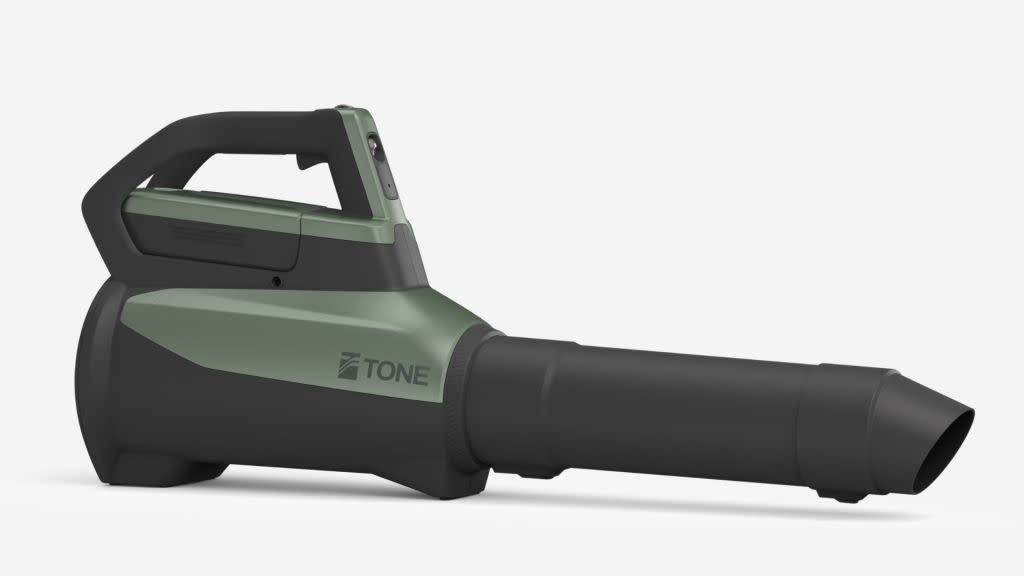
One of the things Whisper plans to explore by building the leaf blowers is the pressure injection molding process used to make that blisk, or bladed disc. In parallel, the company will also be working on military drones that would also utilize the quiet propulsor technology, which it is developing under U.S. Air Force’s Strategic Finance Increase and Operational Energy Capabilities Improvement Fund contracts. Those programs provide up to $15 million for development of new capabilities.
“We’ll start with commercial, industrial products, build revenues, build partnerships, build up volume and repeat that in the DOD side of things, with drones in particular, and then have civil aerospace products that move passengers and cargo,” Moore said.