
New York, Florida among the states selected for electric aircraft pilot program


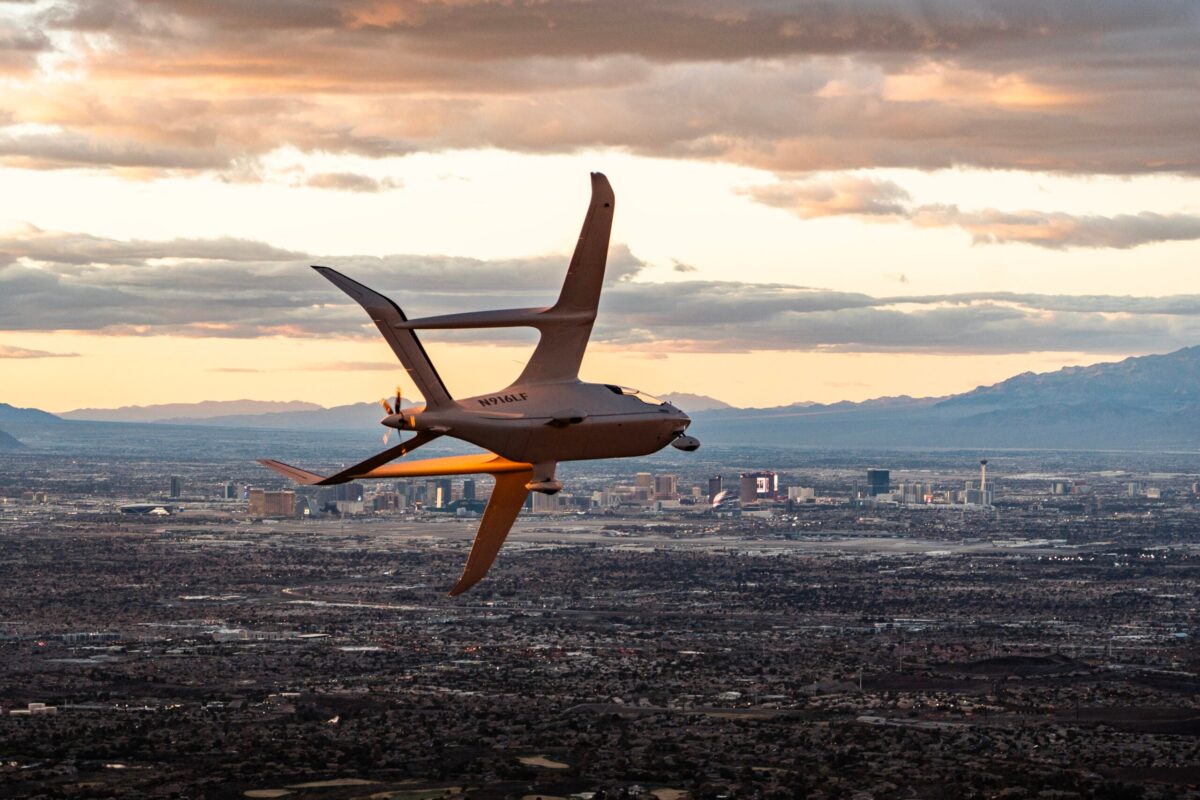
The U.S. Transportation Department and FAA announced today they have selected eight proposals from state and local governments to begin limited cargo and passenger service with electric aircraft under a pilot program created last year.
The initiative, called eIPP, short for eVTOL Integration Pilot Program, is intended to help jumpstart the emerging electric air taxi industry by establishing public-private partnerships between state and local governments and aircraft developers. Flights are to range from passenger flights from a downtown Manhattan heliport to regional flights between cities in Texas. Other proposals call for these aircraft to ferry emergency medical response personnel.
The eIPP “will help us better understand how to safely and efficiently integrate these aircraft into the National Airspace System,” FAA Deputy Administrator Chris Rocheleau said in the press release.
Seven of the eight proposals would entail participation from multiple developers. Nine companies were listed in the release: Ampaire, Archer Aviation, Elroy Air, Joby Aviation, Reliable Robotics and Wisk of California, BETA Technologies of Vermont and Electra of Virginia.
Four of the proposals specify passenger service:
The other four proposals refer to a variety of operations:
None of the participating companies have received FAA type certification for their designs, though several hope those approvals come within the next year. Outside of company testing, previous flights have been limited to specific public demonstrations, usually at air shows — although Archer and Joby also plan to begin limited commercial flights in the United Arab Emirates later this year under a government program there.
Plans call for eIPP operations to commence “by summer,” according to the release, a timeline similar to the one described by BETA founder and CEO Kyle Clark during a Monday morning earnings call before the announcement. BETA is participating in seven of the chosen projects, and Clark said the agreement with DOT calls for the aircraft to be in service within 90 days.
BETA’s initial eIPP flights will carry cargo and medical supplies, then progress to passengers, Clark said. “We’re planting the seeds that will germinate into much larger orders in the future, getting these aircraft out in the world.”
He said he expects the program, which is planned to last at least three years, to generate some revenue for the company and serve as a starting point for aircraft sales, along with proving and perfecting service, maintenance and training for technicians and pilots.