NASA details plan to establish lunar surface base by 2030, send nuclear-powered spacecraft to Mars


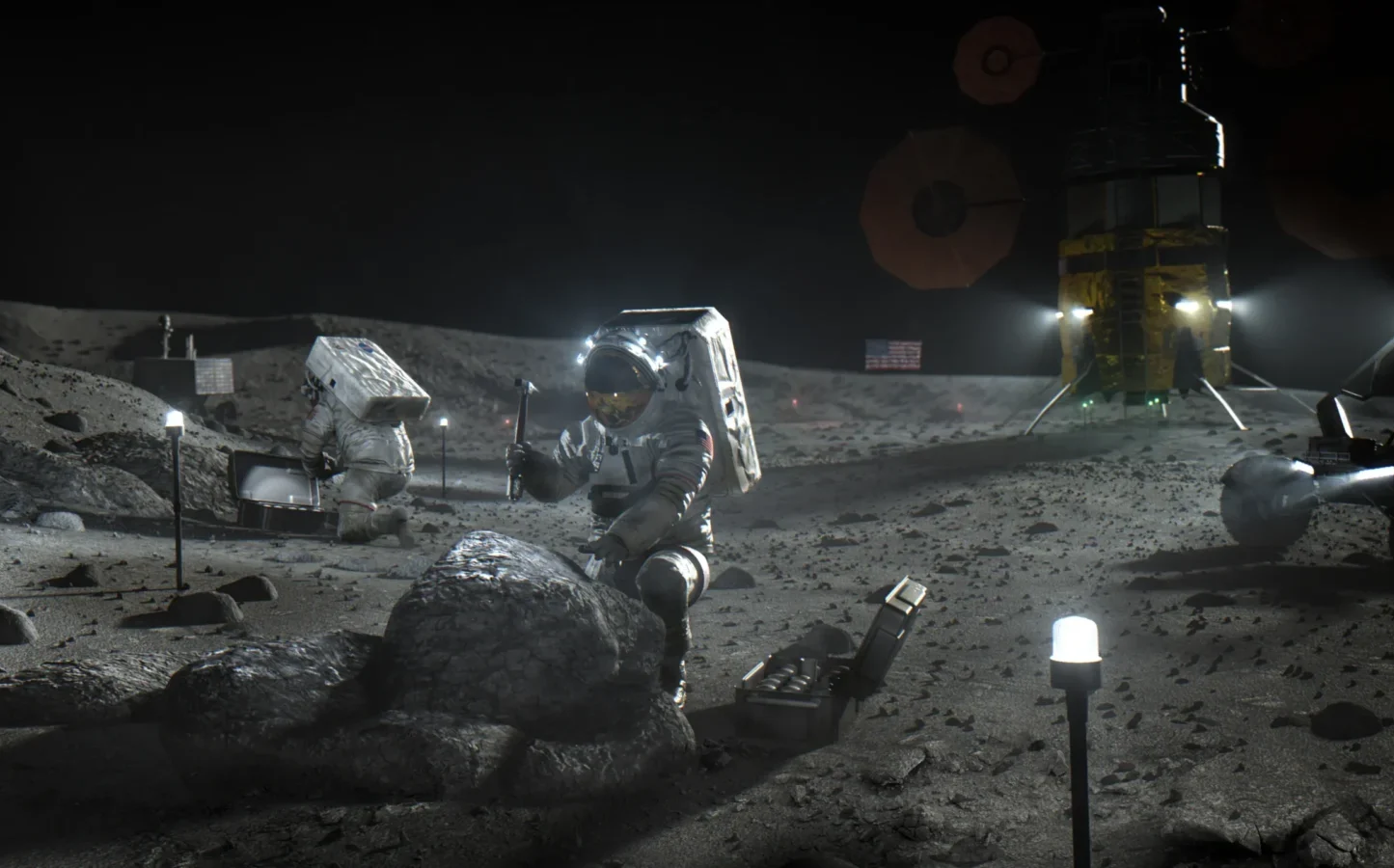
NASA today outlined a range of new initiatives aimed at achieving the Trump administration’s national space policy objectives, including plans to launch robotic landers on a monthly basis starting in 2027 and to establish a lunar outpost.
President Donald Trump in December issued an executive order calling for NASA to return U.S. astronauts to the lunar surface by 2028 and establish the “initial elements” of a surface base by 2030, under the Artemis program created during his first term.
“The moon base will not appear overnight,” NASA Administrator Jared Isaacman said in opening remarks at an event at the agency’s headquarters in Washington, D.C. “We will invest approximately $20 billion over the next seven years to build it through dozens of missions, working towards a deliberate and achievable plan.”
The first phase of the moon base plan calls for dramatically increasing the cadence of surface missions.
To that end, NASA this morning published a request for information for commercial robotic landers that could ferry base equipment and other NASA-sponsored payloads. This initiative, dubbed CLPS 2.0, is a follow-on to the existing Commercial Lunar Payload Services program. Three of the four landers launched to date under CLPS have reached the moon, and plans call for at least four launches this year.
NASA’s goal is to launch 25 CLPS missions by 2028, and achieve at least 21 landings, said Carlos Garcia-Galan, NASA’s Moon Base Program executive, at the same event.
“We’re committing about a $10 billion investment in these years through 2028,” Garcia-Galan said. “We already have two missions planned to the south pole using our CLPS. We’re drastically increasing that mission cadence.”
As part of the new strategy to prioritize the surface base, Garcia-Galan said NASA is “pivoting” away from Gateway, a planned lunar orbiting space station that was to be a component of future crewed surface missions.
Today’s announcements come as NASA prepares to launch the Artemis II mission as soon as April 1, sending four astronauts around the moon in the agency’s first crewed lunar mission since the Apollo program. The initial crewed landing was to occur on the Artemis III mission, but NASA in late February announced an overhaul of the mission sequence. Artemis III, now targeted for 2027, was converted to a test of in-space docking techniques.
Isaacman’s remarks weren’t limited to lunar exploration. He also unveiled a new Mars mission: Space Reactor 1 Freedom, a nuclear-powered interplanetary spacecraft that is to launch before the end of 2028. This spacecraft, the first of its kind, would carry multiple “Ingenuity-class copters,” he said, referring to the Ingenuity helicopter that completed 72 flights on Mars between 2021 and 2024.
“This pathfinder effort will open opportunities for commercial fission power providers and ultimately unlock the capabilities necessary for sustained exploration beyond the moon and missions to Mars and the outer solar system,” Isaacman said.