Focused on boosting launch cadence, SpaceX and Blue Origin execs detail company needs


ORLANDO, Fla. — As SpaceX and Blue Origin ramp up the pace of launches, company executives on Thursday put the spotlight on what the industry needs to continue growing.
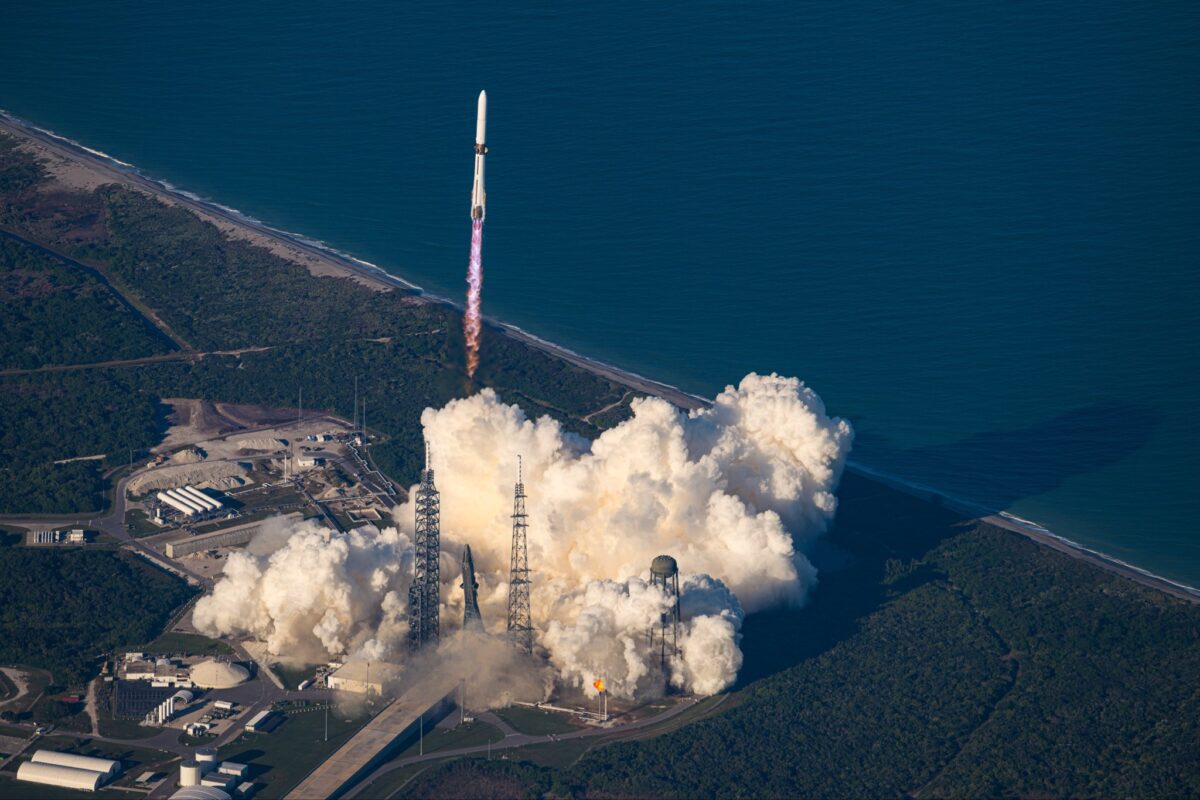
Both companies hit significant milestones this year, with SpaceX surpassing its 2024 launch total and Blue Origin landing a New Glenn booster on a barge at sea for the first time. The company aims to reuse that booster, as SpaceX has done with the Falcon first stages for years.
At the Space Force Association’s Spacepower conference here, executives from each company offered different ideas about what will make space even more accessible.
Tom Martin, Blue’s senior director of national security programs, said the key to achieving more frequent launches will come with time, as his company and others refine their operations.
“The more often we launch, the more we have to figure out how to be resilient to anything that could go wrong,” Martin said. “As we learn what dynamic space operations really represent, and as we figure out what lunar permanence looks like, we might not know the exact technology we need, so we need to be trying all, and not just pick the technology today.”
SpaceX’s vice president of launch, Kiko Dontchev, identified reusability as the key to increasing access to space and maintaining U.S. leadership.
“The fundamental technology that needs to be built is truly rapid reusability,” Dontchev said. “We do that, and the cost of access to space drops by order of magnitude again, and opportunities increase by order of magnitude, and we beat China. We need multiple fully and rapidly reusable launch vehicles.”
“You do that — everything’s on the table,” he added. “But without that, we’re going to struggle getting to the next step.”
Dontchev said it’s not just rockets that need to be reused but also launch pads and other infrastructure. He called for spaceports like NASA’s Kennedy Space Center in Florida to operate more like airports, specifically referencing Hartsfield-Jackson Atlanta International Airport, which recorded nearly 800,000 takeoffs and landings in 2024.
Martin noted rockets are “not quite an airplane,” adding that he’s “spent a lot of time” stuck at the Atlanta airport.
Dontchev also said airspace closures due to rocket launches should be reexamined, echoing similar comments by SpaceX founder and CEO Elon Musk.
“We need to invest in the tools to manage the airspace right and to manage the scheduling of how you do all these things,” Dontchev said. “We really have to rethink the airspace problem. We’re going to need to have much more concurrent [launch] operations with aircraft, rather than having a static hazard area that gets shut down” every time a rocket launches.
That could soon become an immediate concern for Space Coast residents, given SpaceX’s plans to begin launching Starships from Florida in 2026. The company has been studying concerns about Starship launch noise in the Cape Canaveral area, Dontchev said.
“We believe we’ve done some pretty good science, and it’s not going to be, maybe, as impactful as some media outlets report, but that science needs to continue,” he said.