Debriefing CCAs post-flight is a ‘hard problem’ but a necessity, Air Force officials say


U.S. Air Force officials involved in the service’s Collaborative Combat Aircraft program said the ability to easily review the flights of these uncrewed aircraft in detail will be key to making the technology operational.
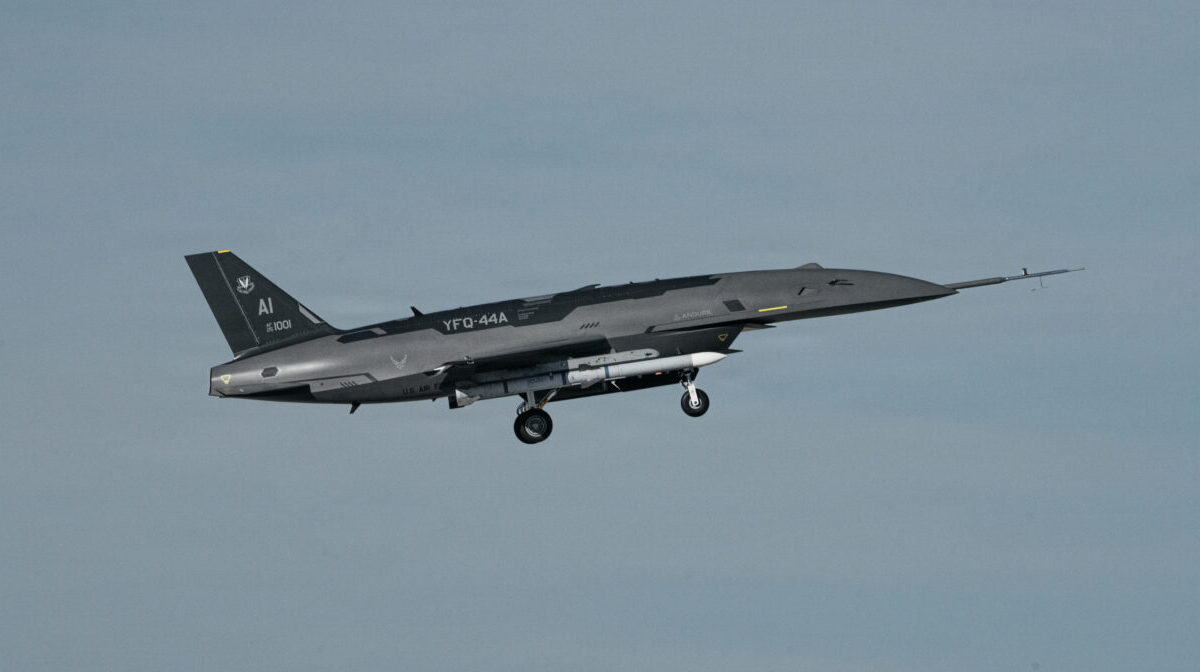
The service is working to field these “loyal wingman” drones that would fly alongside crewed fighter jets. This year, it faces a production decision about whether to advance one or both of the two prototypes selected in 2024: General Atomics’ YFQ-42A and Anduril’s Fury YFQ-44A.
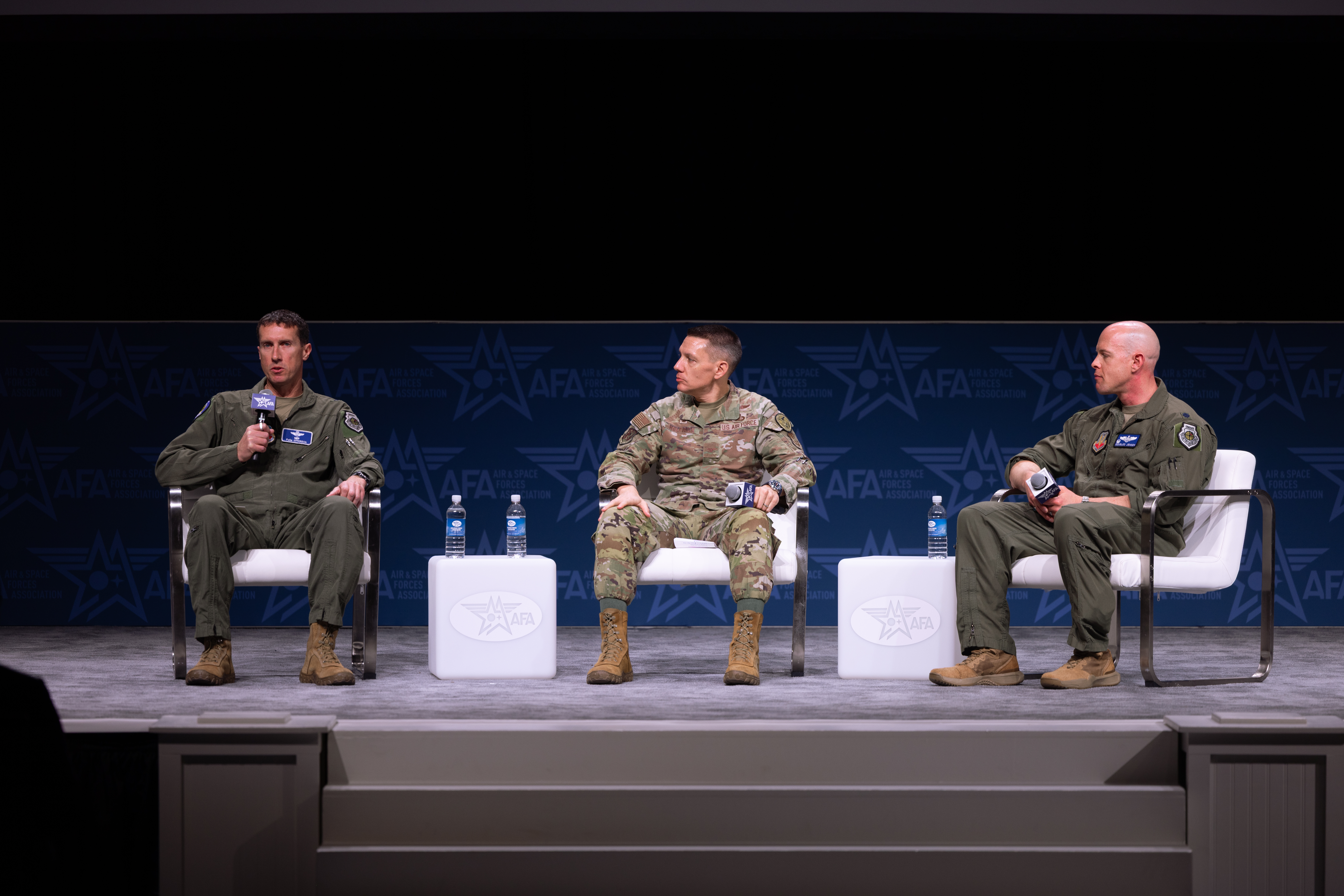
Speaking at the Air & Space Forces Association’s annual Warfare Symposium on Wednesday, Col. Timothy Helfrich, the portfolio acquisition executive responsible for CCAs, said fielding these designs involves “not even just the mission autonomy. It’s the debrief capability that allows the operator to do the full life cycle.”
“We’ve already got concepts for debrief,” said Lt. Col. Matthew Jensen, commander of the Air Force’s Experimental Operations Unit that was set up to focus on integrating CCAs, during the same panel.
“Right now, when we do mission autonomy demos, we’ve got software engineers looking at code and looking at results,” Jensen added. “It didn’t take too long for us to go, ‘No, that’s not going to fly in [a] pilot debrief, right? We can’t have the dude in the corner searching through the code.’”
Ideally, “I want to be able to talk to a large language model and [have it] explain what the autonomy did at a certain time and certain place, and provide the reasons why it did it,” Jensen said.
Brig. Gen. David Epperson, commander of the U.S. Air Force Warfare Center, said integrating CCAs operationally will rely on “coming back and doing that critical debrief.”
According to Jensen, the key question is “how do we debrief autonomy when it lands?” He noted the service has “already started working” with external laboratories and organizations to address this “hard problem.”
“We see mission planning and debrief as just as critical as like the mission execution part,” Jensen said. “It’s got to be full spectrum from start to finish.”