Battery placement in electric aircraft may impact handling, comfort, paper says


The location of an electric aircraft’s heavy lithium-ion batteries will likely affect how stable and comfortable the ride is, according to research from the University of Illinois Urbana-Champaign.
Researchers determined that placing battery packs in the wings tends to reduce seesaw-like rolling of the aircraft — similar to the impact of storing jet fuel in the wings of jetliners, whereas placing the weight in the fuselage or center can contribute to a higher roll rate. They presented their findings at AIAA’s SciTech Forum in Orlando earlier this month.
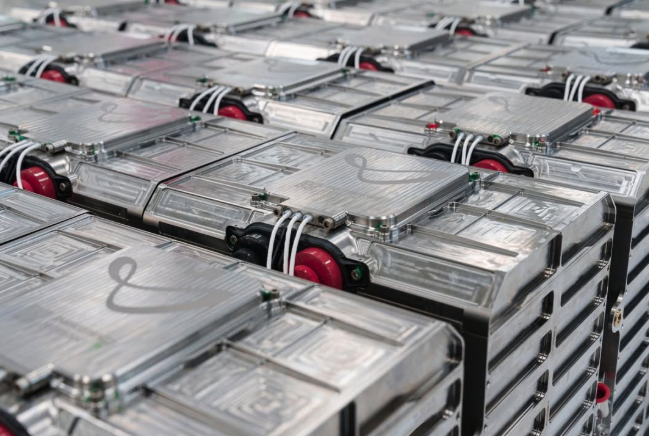
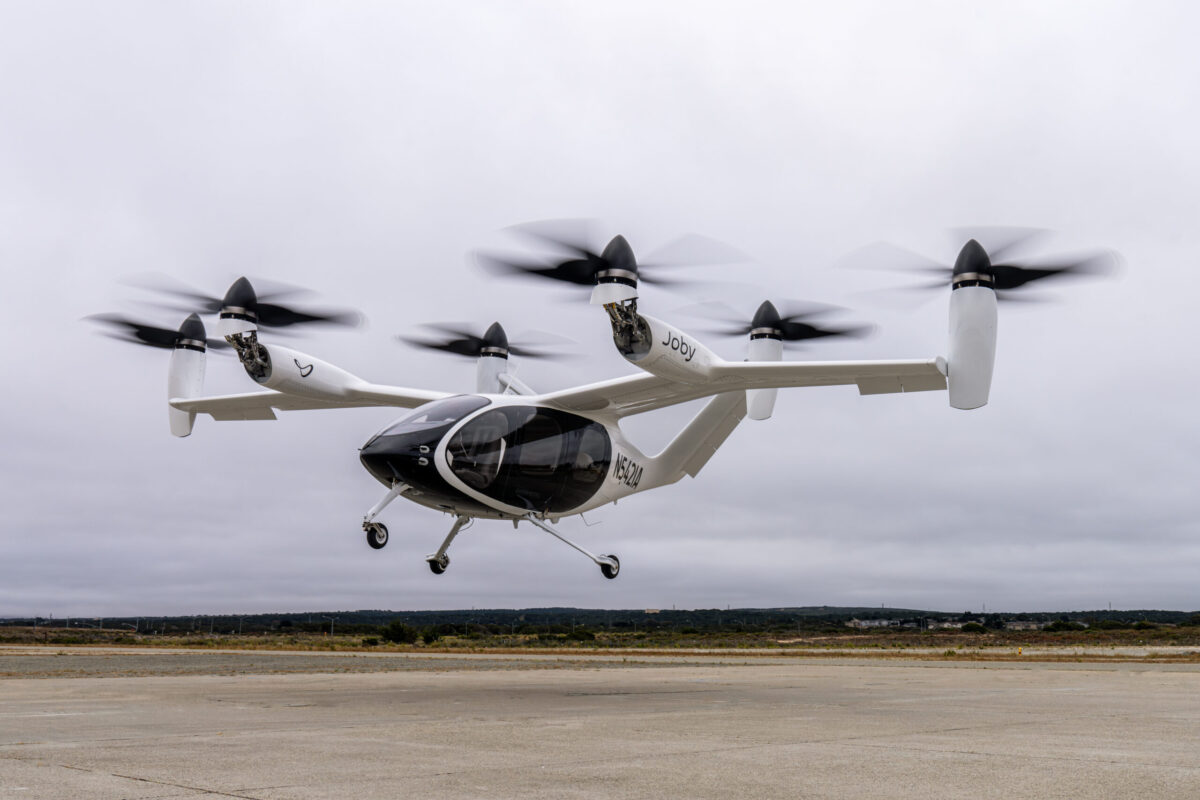
A high roll rate is generally favored for maneuverability in fighter jets, for example, but not in passenger aircraft because the sudden motions may be uncomfortable. In the emerging class of electric air taxis, developers have placed their batteries in a range of locations, including the wings, fuselage floor, bulkheads or some combination of those.
“If you want an aircraft that’s a little more stable, which is desirable for larger passenger aircraft, batteries in the wings would make sense,” said Aidan Molloy, a co-author of the paper and master’s student in aerospace engineering.
Aerodynamics has been a key consideration for battery location, but California-based Joby Aviation is among the developers who have said it’s safer to put batteries in the wings, away from passengers. Molloy’s paper didn’t address fire safety, but he said in an interview that he anticipates ongoing research will do so.
What’s most important, the paper finds, is that manufacturers consider battery location at the start of the design process. Batteries, like fuel, represent a significant portion of takeoff weight, sometimes making up over a third of that metric. Unlike liquid fuel, however, their weight will not reduce over the course of the flight.
The paper proposes a computational method to evaluate aircraft design “particularly for the prediction of the effects of battery location on aircraft stability, that could not be modeled by traditional approaches.”
Such a method would significantly improve “the accuracy and reduce the simulation time for preliminary aircraft design of novel configurations and energy systems” early in the design study, the paper reads.